 Vista

Understanding Heaven and Hell: A Multifaceted Exploration
The human mind has always been drawn to mysteries beyond its immediate grasp. Among these profound enigmas is the nature of life after death, with the concepts of heaven and hell being central to this contemplation. Are these merely figments of imagination, or do they possess a tangible reality? This article seeks to explore this deep subject, examining various perspectives to understand if heaven and hell truly exist and their significance in our lives.
Traditional Religious Beliefs About Heaven and Hell

Across nearly all religions and cultures, the concepts of heaven and hell appear in diverse forms. These notions are typically linked to the consequences of one’s actions (karma) in the afterlife. They serve as frameworks for morality, encouraging virtuous behaviour and discouraging sin.
In Hinduism: Swarga and Naraka
Hinduism offers detailed descriptions of heaven (Swarga) and hell (Naraka). The core belief is that the soul is immortal, while the body is mortal. After death, the soul journeys to different realms based on its deeds. Swarga is considered the abode of the virtuous, where deities reside, and souls experience bliss and peace. Realms like Indraloka, Brahmaloka, and Vishnuloka are considered dimensions of Swarga. Texts like the Garuda Purana elaborate on the pleasures of Swarga.
Naraka, conversely, is the realm for those who have committed sins. Yama, the god of death, and Chitragupta, his scribe, are associated with Naraka, where souls endure various torments according to the severity of their sins. Different types of Naraka, such as Raurava and Kumbhipaka, are described based on the gravity of transgressions.
The Karmaphala Siddhanta (Law of Karma) is intrinsically linked to these concepts. An individual reaps the consequences of their actions, not only in this life but also in subsequent rebirths. This principle underscores the importance of righteous living.
Heaven and Hell in Other Religions
- Islam: Envisions Jannah (Paradise) for believers and doers of good deeds, and Jahannam (Hell) for sinners and those who disobey Allah. The Day of Judgment (Qayamat) is central, where deeds are accounted for.
- Christianity: Describes Heaven as eternal life and joy with God, and Hell as eternal punishment and suffering for the unrepentant. Faith in Jesus Christ and adherence to his teachings are pathways to Heaven.
- Buddhism: Views heaven and hell not as permanent abodes but as realms of existence experienced as a result of karma. The ultimate goal is Nirvana, liberation from the cycle of birth and death.
Modern Perspectives: Psychological and Spiritual Interpretations
In contemporary times, many view heaven and hell not as literal geographical locations but as symbolic or psychological states of being.
The Mind as Heaven or Hell
Some thinkers propose that heaven and hell are internal mental states. Living with integrity, love, and compassion can create a sense of heaven within oneself. Conversely, succumbing to envy, anger, hatred, and greed can transform one’s life into a personal hell. This perspective suggests that the consequences of our actions are immediate, manifesting as peace and contentment (heaven-like) or guilt and anxiety (hell-like).
Karma, Rebirth, and Consciousness
From a spiritual standpoint, heaven and hell are often tied to the science of karma and the cycle of rebirth. The soul takes birth in various forms according to its past actions. In this sense, our current existence can be seen as the ‘heaven’ or ‘hell’ resulting from previous karma, while our present actions shape our future experiences.
Why Do Humans Believe in Heaven and Hell?
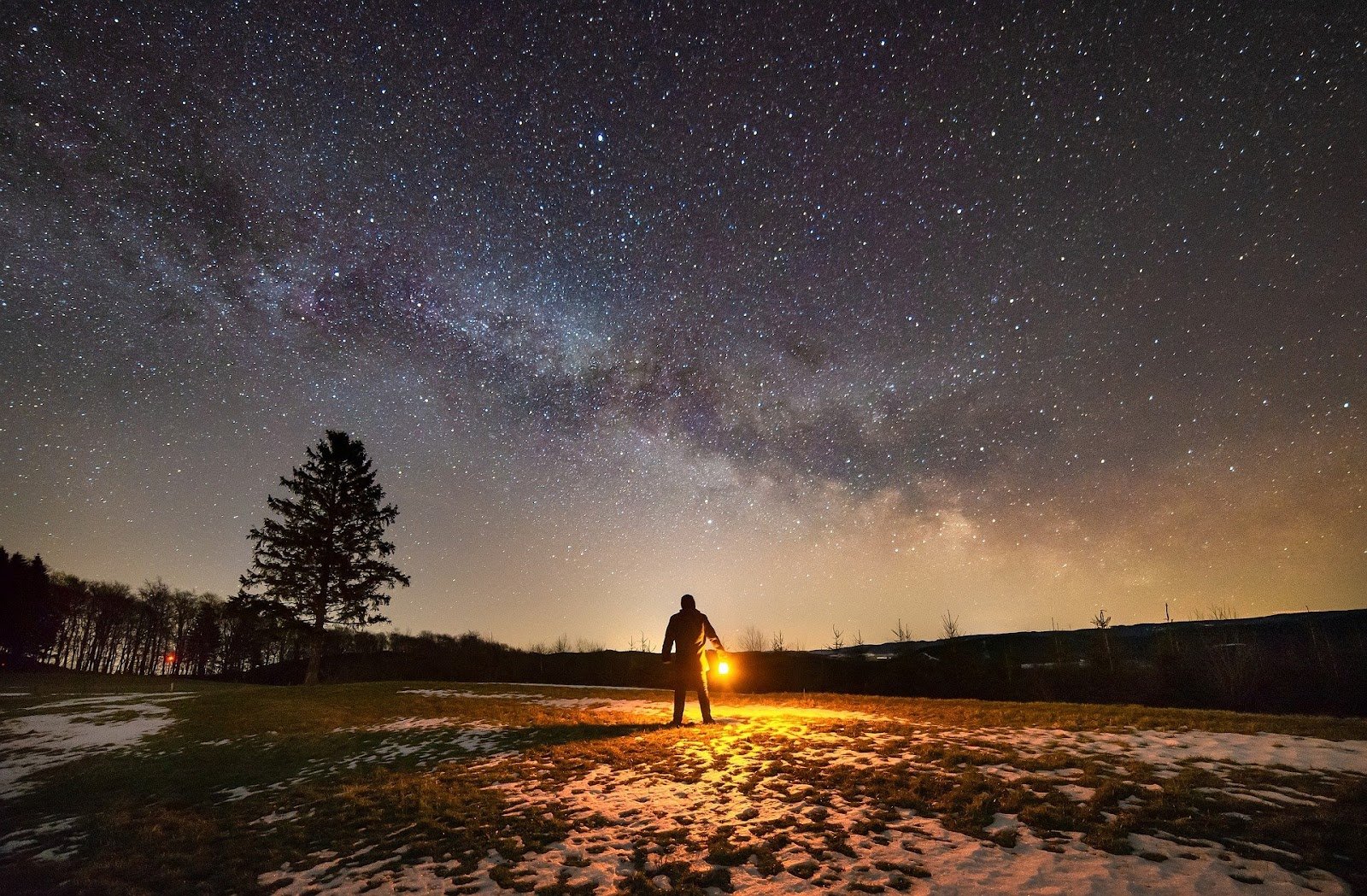
The enduring influence of these concepts stems from deep psychological and social roots:
- Moral Framework: They provide a basis for societal ethics, motivating individuals to act virtuously.
- Alleviating Fear of Death: The hope of a blissful afterlife can mitigate the existential dread associated with mortality.
- Sense of Justice: These concepts offer a promise of ultimate justice, where every soul receives its due recompense.
- Hope and Consolation: In times of suffering, the belief in a better existence offers comfort and strength.
The Ultimate Truth: Do Heaven and Hell Exist?
Ultimately, there is no definitive, empirically verifiable answer to whether heaven and hell exist as physical realms. No one has returned from the afterlife to provide a firsthand account. Therefore, belief in them remains a matter of personal faith, religious doctrine, and philosophical outlook.
However, the significance of our actions is undeniable. Whether heaven and hell are external realities or internal states, the consequences of our deeds—good or bad—are experienced, either in this life or in some form after death. By living ethically, with kindness and integrity, we contribute to creating a more ‘heavenly’ existence for ourselves and those around us. Conversely, selfish and unethical behaviour can lead to a ‘hellish’ experience.
Instead of debating their existence, perhaps the focus should be on how we can improve our present lives and cultivate positive actions and thoughts. As the saying goes, ‘Be the change you wish to see in the world.’
Frequently Asked Questions (FAQs)
Q1: What is the main difference between heaven and hell in Hinduism?
In Hinduism, heaven (Swarga) is the realm of bliss and peace for those with good karma, while hell (Naraka) is a place of suffering for those with negative karma, where souls are punished for their sins before potentially being reborn.
Q2: Can psychological states be considered a form of heaven or hell?
Yes, many modern interpretations suggest that intense feelings of joy, peace, and fulfillment can be experienced as a form of ‘heaven’ in the present life, while deep suffering, guilt, and despair can be experienced as ‘hell’.
Q3: Does science offer any evidence for the existence of heaven and hell?
Currently, science does not provide empirical evidence for the existence of literal heaven or hell as afterlife destinations. Scientific inquiry typically focuses on observable phenomena and testable hypotheses.
Q4: How does the concept of karma relate to heaven and hell?
The concept of karma is central to many beliefs about heaven and hell. It posits that one’s actions (karma) determine the nature of their future experiences, including potential rebirths into heavenly or hellish realms, or experiencing the consequences of their deeds in this life.
Q5: Is it possible to avoid hell according to religious teachings?
Most religious teachings suggest that avoiding hell is possible through living a virtuous life, performing good deeds, seeking forgiveness, and adhering to religious principles and divine commandments. The specific path varies by religion.
Conclusion
The question of whether heaven and hell exist remains one of humanity’s most enduring mysteries. While religious traditions offer detailed narratives and spiritual perspectives suggest internal states, the ultimate reality is subjective. What is universally acknowledged is the profound impact of our actions. By striving to live a life of integrity, compassion, and ethical conduct, we not only contribute to a better world but also cultivate a sense of inner peace and fulfillment, regardless of what lies beyond.















Share Your Opinion
Comments are closed on this post.