 Vista
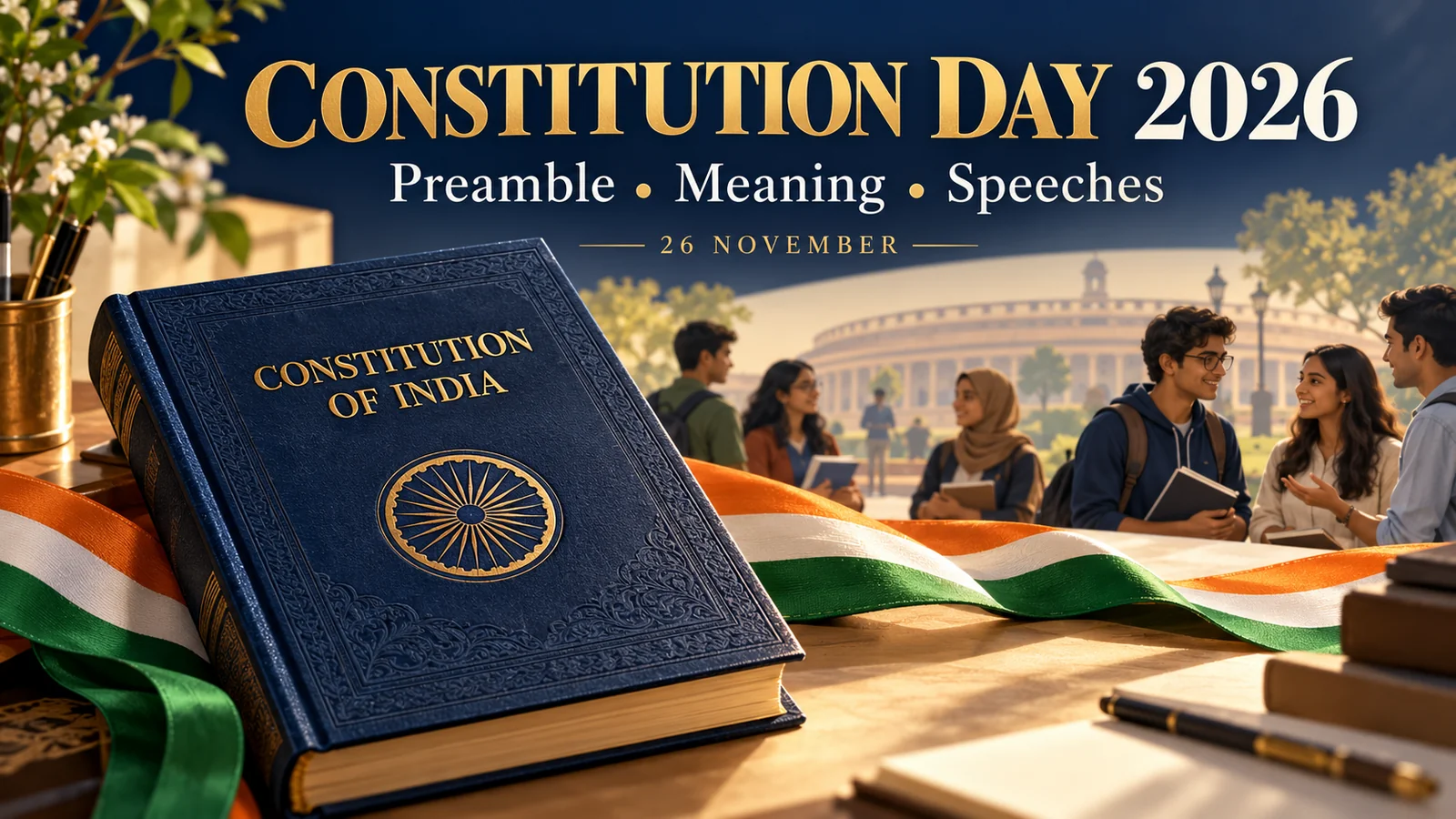
Constitution Day Speech 2026: Preamble, Meaning and School Activities
Preparing a Constitution Day speech or trying to understand “We, the People of India”? This page brings together the Preamble, a plain-language explanation, original speeches for students and teachers, and a brief rights-and-duties chart. Begin with an important distinction: the date on which the Constitution was adopted is different from the date associated with Republic Day.
Why is Constitution Day observed on 26 November?
India’s Constituent Assembly adopted the Constitution on 26 November 1949. Constitution Day commemorates that event. Its principal commencement was on 26 January 1950, which is observed as Republic Day. Some provisions commenced earlier, so it is inaccurate to treat the two dates as interchangeable.
The Government of India notified the decision to observe 26 November as Constitution Day in 2015. Remember three separate milestones: adoption in 1949, principal commencement in 1950 and the notification establishing the annual observance in 2015.
For a school programme in 2026, teach the meaning of each date rather than only asking when the Constitution was “made”. Ask separately when it was adopted and when it principally came into force. This is also useful for students preparing for competitive examinations.
The Preamble to the Constitution of India
The text below is the Preamble. Paragraph breaks help with reading. The explanations and speeches elsewhere on this page are educational material and are not part of the constitutional text.
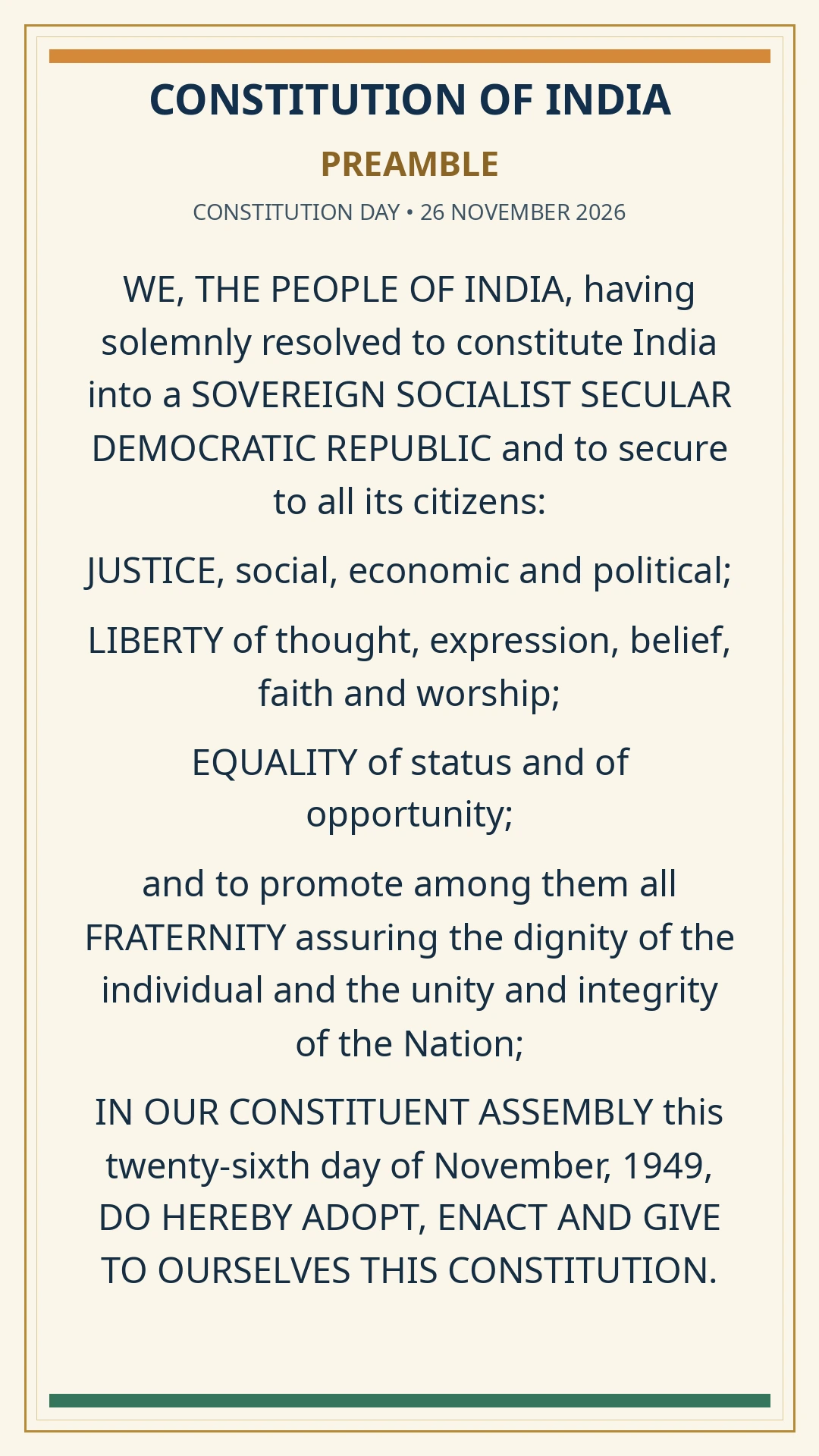
WE, THE PEOPLE OF INDIA, having solemnly resolved to constitute India into a SOVEREIGN SOCIALIST SECULAR DEMOCRATIC REPUBLIC and to secure to all its citizens:
JUSTICE, social, economic and political;
LIBERTY of thought, expression, belief, faith and worship;
EQUALITY of status and of opportunity;
and to promote among them all FRATERNITY assuring the dignity of the individual and the unity and integrity of the Nation;
IN OUR CONSTITUENT ASSEMBLY this twenty-sixth day of November, 1949, DO HEREBY ADOPT, ENACT AND GIVE TO OURSELVES THIS CONSTITUTION.
During a collective reading, do not read the poster caption or our explanation as though it formed part of the Preamble. When copying it onto chart paper, check every line, including justice, liberty, equality and fraternity.
What do “We, the People” and the key terms mean?
The opening places the people at the foundation of the constitutional order. In a classroom explanation, it reminds us that the constitutional community is not limited to one language, religion, caste or region.
| Term | Plain-language educational meaning |
|---|---|
| Sovereign | India is an independent nation able to make its own decisions. |
| Socialist | A commitment to social and economic justice and reducing inequality. |
| Secular | A constitutional commitment to freedom of faith and protection against improper religious discrimination. |
| Democratic | Government based on people’s participation and representation. |
| Republic | The office of head of state is not a hereditary monarchy. |
| Justice | Social, economic and political justice as a shared goal. |
| Liberty | Freedom of thought, expression, belief, faith and worship. |
| Equality | Equality of status and opportunity. |
| Fraternity | A sense of fellowship supporting individual dignity and national unity and integrity. |
This table is an introduction, not a comprehensive legal definition. Liberty should not be read as the absence of all constitutional limits. Equality does not mean that everyone’s circumstances are already identical. Read the relevant Articles for the operative provisions.
A brief Fundamental Rights and Duties chart
Fundamental Rights are set out in Part III. Fundamental Duties appear in Part IVA, Article 51A. Not every right is confined to citizens: some provisions protect persons more broadly. Avoid adding “citizens only” to every right in a revision chart.
| Topic | What to remember |
|---|---|
| Fundamental Rights | Major categories concern equality, freedom, protection against exploitation, religion, cultural and educational rights, and constitutional remedies. |
| Fundamental Duties | Responsibilities include respect for the Constitution and national symbols, harmony, environmental protection, public property and scientific temper. |
| School examples | Respect classmates, avoid discrimination, care for shared materials and learn by asking thoughtful questions. |
The school examples illustrate civic learning. They do not mean that every disciplinary mistake is automatically a constitutional offence. An individual’s legal dispute cannot be resolved through a short classroom chart.
An original Constitution Day speech for students
Respected Principal, teachers and my dear friends, warm wishes to everyone on Constitution Day. Today is 26 November. On this date in 1949, the Constituent Assembly adopted the Constitution of India. It establishes a framework for government while expressing the ideals of justice, liberty, equality and fraternity.
The Preamble begins with “We, the People of India”. Those words remind us that people of different languages, religions and backgrounds belong within a shared constitutional order. Humiliating a classmate because of caste, family income or language works against the spirit of dignity and equal respect.
Dr B.R. Ambedkar chaired the Drafting Committee. As we honour his important contribution, we should also remember the collective work of the Constituent Assembly. Understanding the Constitution is not only about memorising difficult Articles. Listening to others, avoiding discrimination, asking questions and caring for public property are ways of learning civic responsibility.
Let us read the Preamble with understanding and bring more respect and cooperation into our daily behaviour. A meaningful observance begins when we connect important words with the choices we make. Thank you.
Delivery time depends on the speaker’s pace and pauses. Rehearse and shorten the text if necessary. This is an original educational speech, not a historical address delivered in the Constituent Assembly.
A teacher’s address and classroom activities
Dear students, Constitution Day gives us an opportunity to build a classroom where every child experiences dignity and participation. The Preamble becomes easier to understand when children see its values in practice. Listening to a classmate who speaks another language, including someone who needs support and allowing questions without fear are useful examples. Today, let us choose one unfamiliar word, explain it in our own language and suggest one way to improve our school. Our aim should be civic understanding, not repetition alone.
- Read the Preamble together and discuss its four central values.
- Create separate board entries for 26 November and 26 January.
- Make a chart about justice, liberty, equality and fraternity.
- In MP classrooms, explain difficult terms in Hindi and other languages familiar to the children.
- Hold a short question session distinguishing the Assembly from its Drafting Committee.
Advice and frequently asked questions
Keep the original text separate from commentary. Check poster readability before adding decoration. Do not describe an unverified theme, examination question or school instruction as an official announcement for 2026.
When is Constitution Day?
It is observed every year on 26 November.
How does it differ from Republic Day?
26 November commemorates adoption; 26 January is associated with principal commencement and the Republic.
What is the Hindi term for the Preamble?
Prastavana and Uddeshika are both used for this introductory constitutional text.
Was the Constitution written by Ambedkar alone?
He chaired the Drafting Committee and made an important contribution. Constitution-making was the collective work of the Constituent Assembly.
Is this legal advice or an official examination answer?
No. It is educational material. Consult the original Constitution, official syllabus and relevant sources.
Note: Simplified meanings, activities and speeches are editorial educational material. They do not replace the constitutional text or individual legal advice.
Sources
- MyGov: adoption, commencement and Constitution Day
- India Code: Constitution of India, Preamble, Parts III and IVA
- Hindi Preamble: government education-board textbook
- Sansad: Constitution-making and the Drafting Committee
Related reading
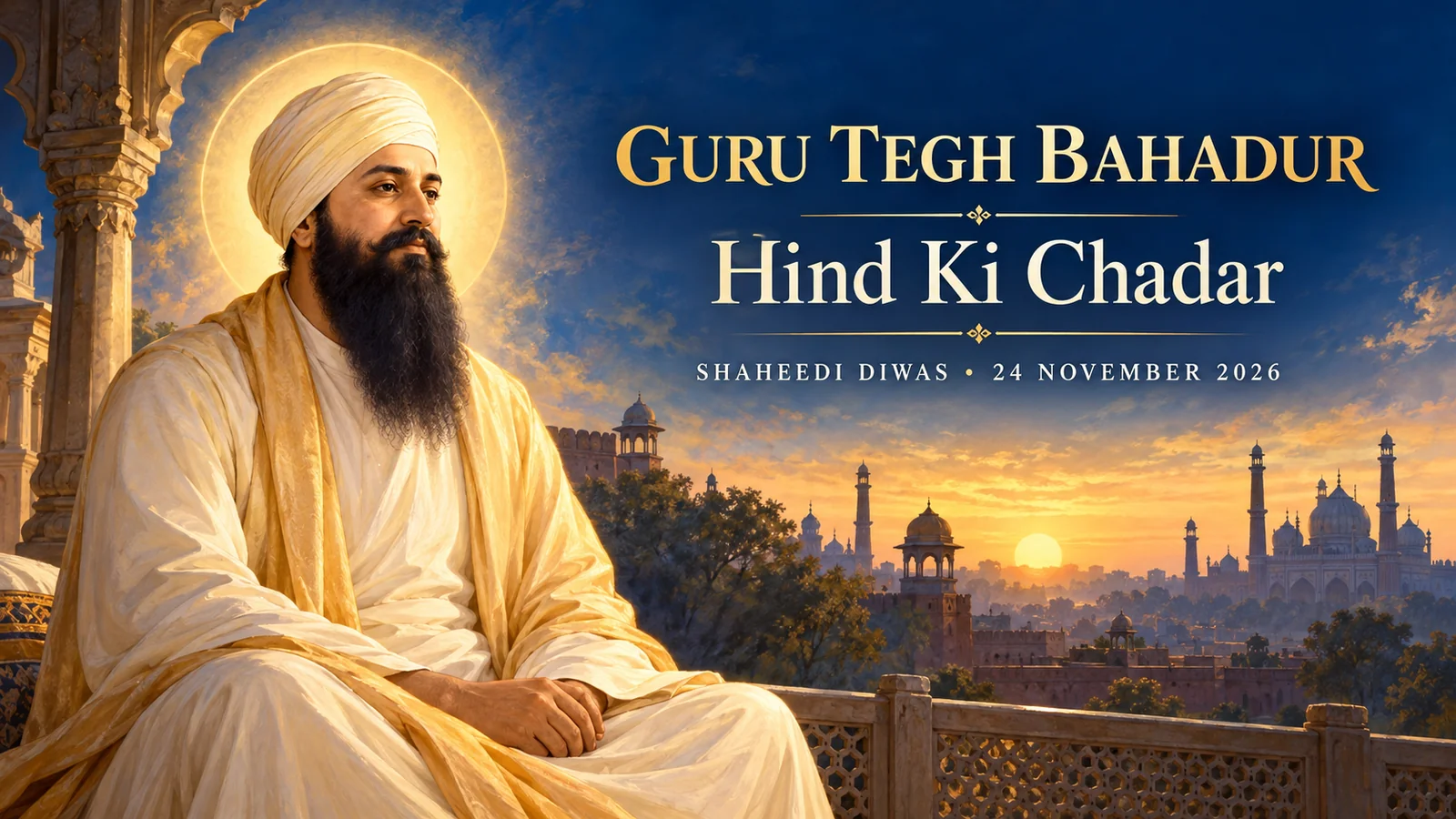
- Guru Tegh Bahadur and the history of freedom of conscience
- Birsa Munda history and student notes
- Speeches and anchoring for school programmes
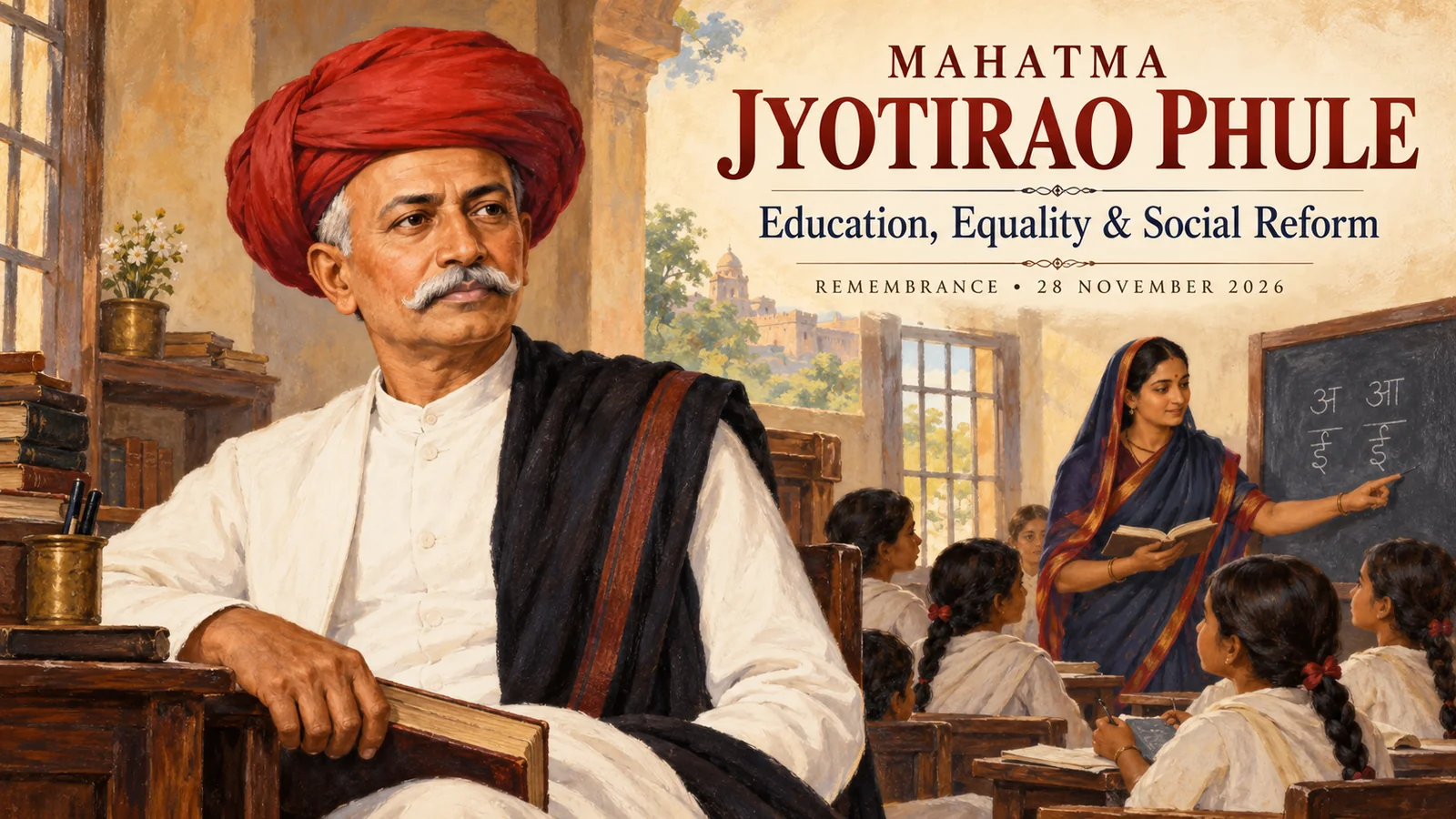
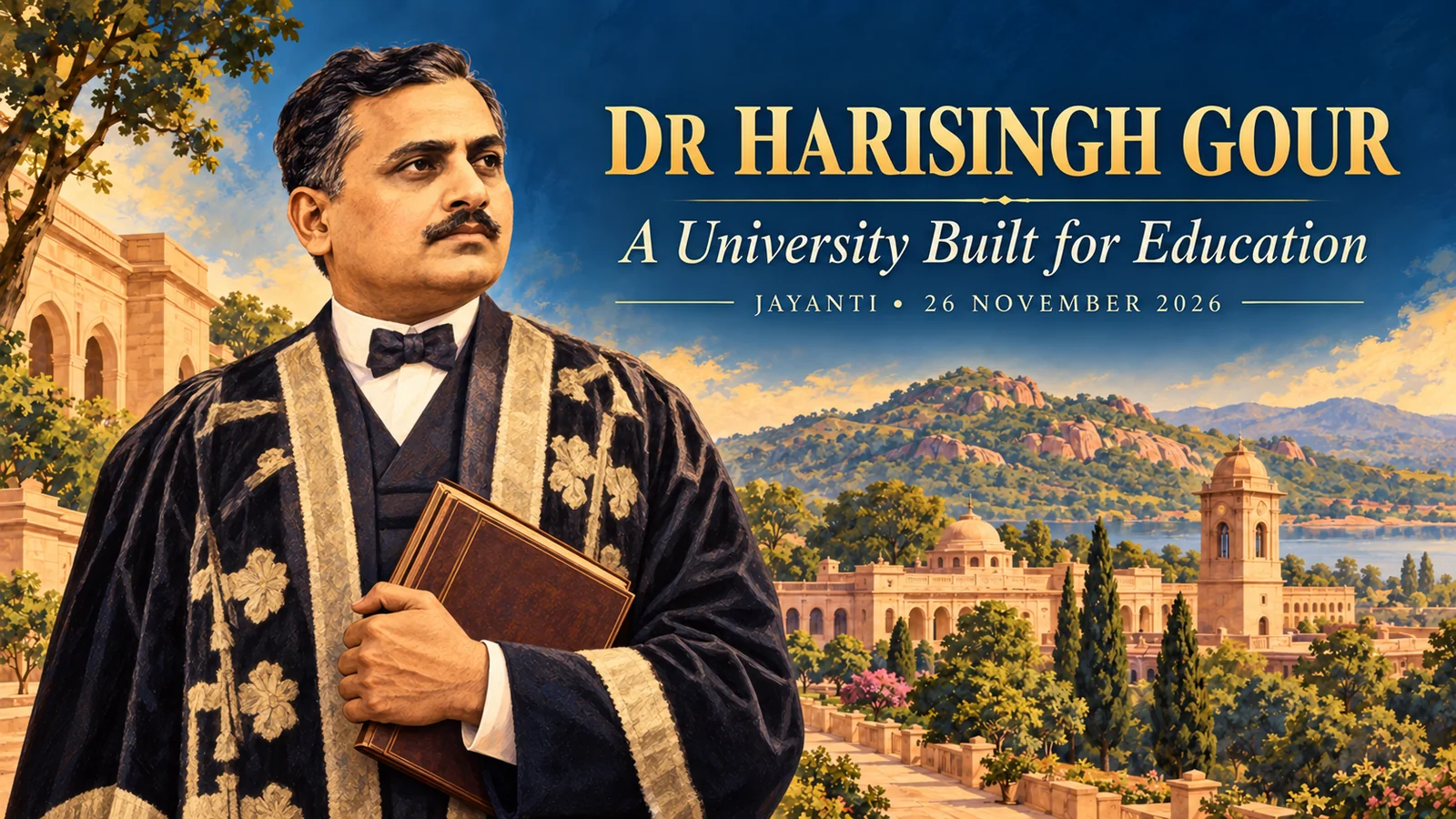
Related reading: Dr Harisingh Gour and the history of Sagar University · Jyotiba Phule: education and social reform
Related reading: Chhattisgarh Foundation Day: formation from MP
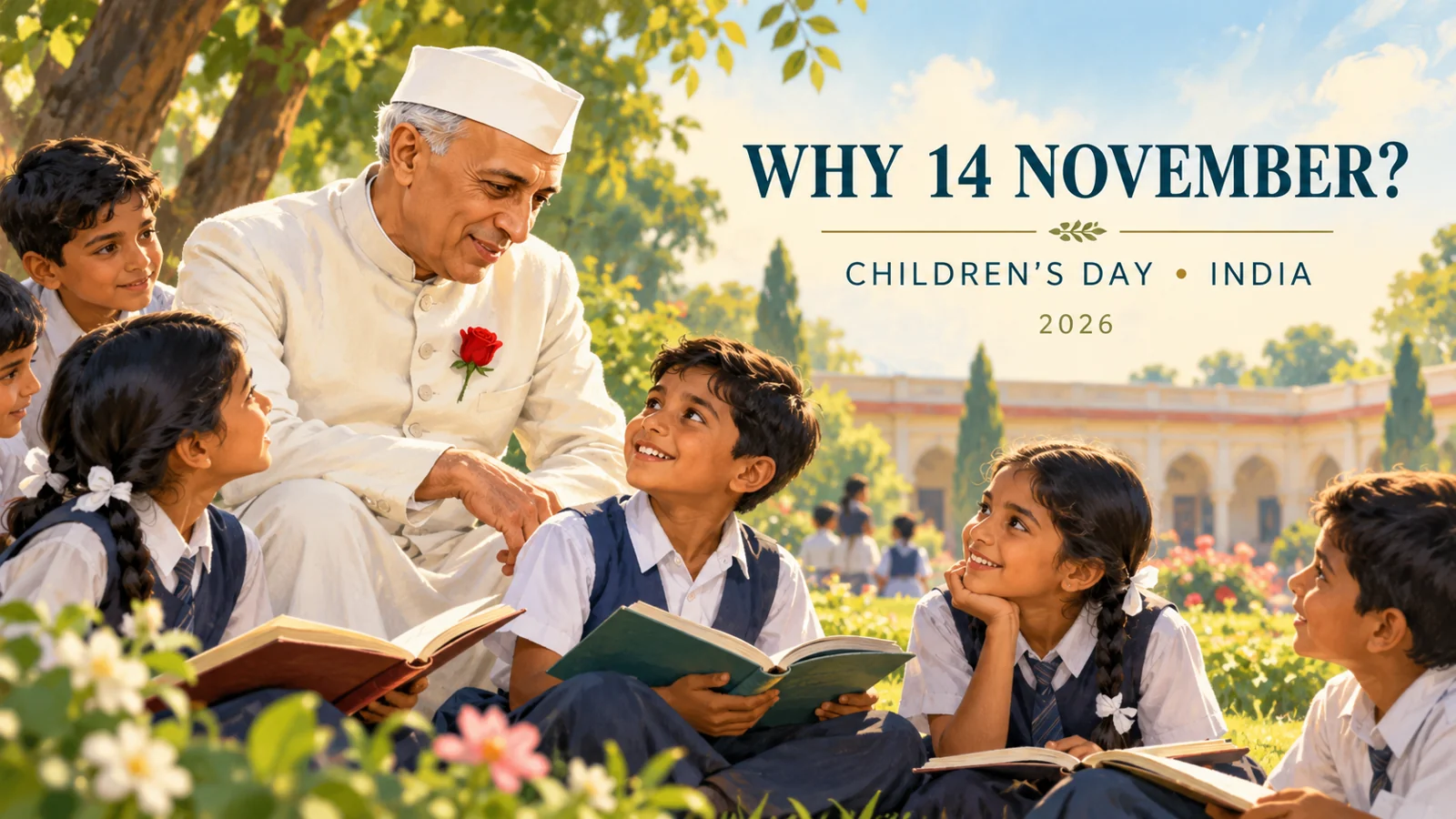
Related reading: Children’s Day history: 14 and 20 November explained
Related reading: Lala Lajpat Rai and the Simon Commission protest · Indira Gandhi: major decisions and the Emergency












Share Your Opinion
Comments are closed on this post.