 Vista
Why Is Children’s Day Celebrated on 14 November in India?
India celebrates Children’s Day on 14 November, Jawaharlal Nehru’s birth anniversary. Its history, however, is more interesting than a single sentence about his affection for children. Letters from the 1950s already connect his birthday with Children’s Day celebrations during his lifetime. Meanwhile, the United Nations observes World Children’s Day on 20 November.
This article explains the dates, historical evidence and common misconceptions. It complements our separate Children’s Day speech and anchoring guide, which provides material for running a school programme. Here, the focus is on understanding and checking the story behind the occasion.
What Connects Nehru’s Birthday with Children’s Day?
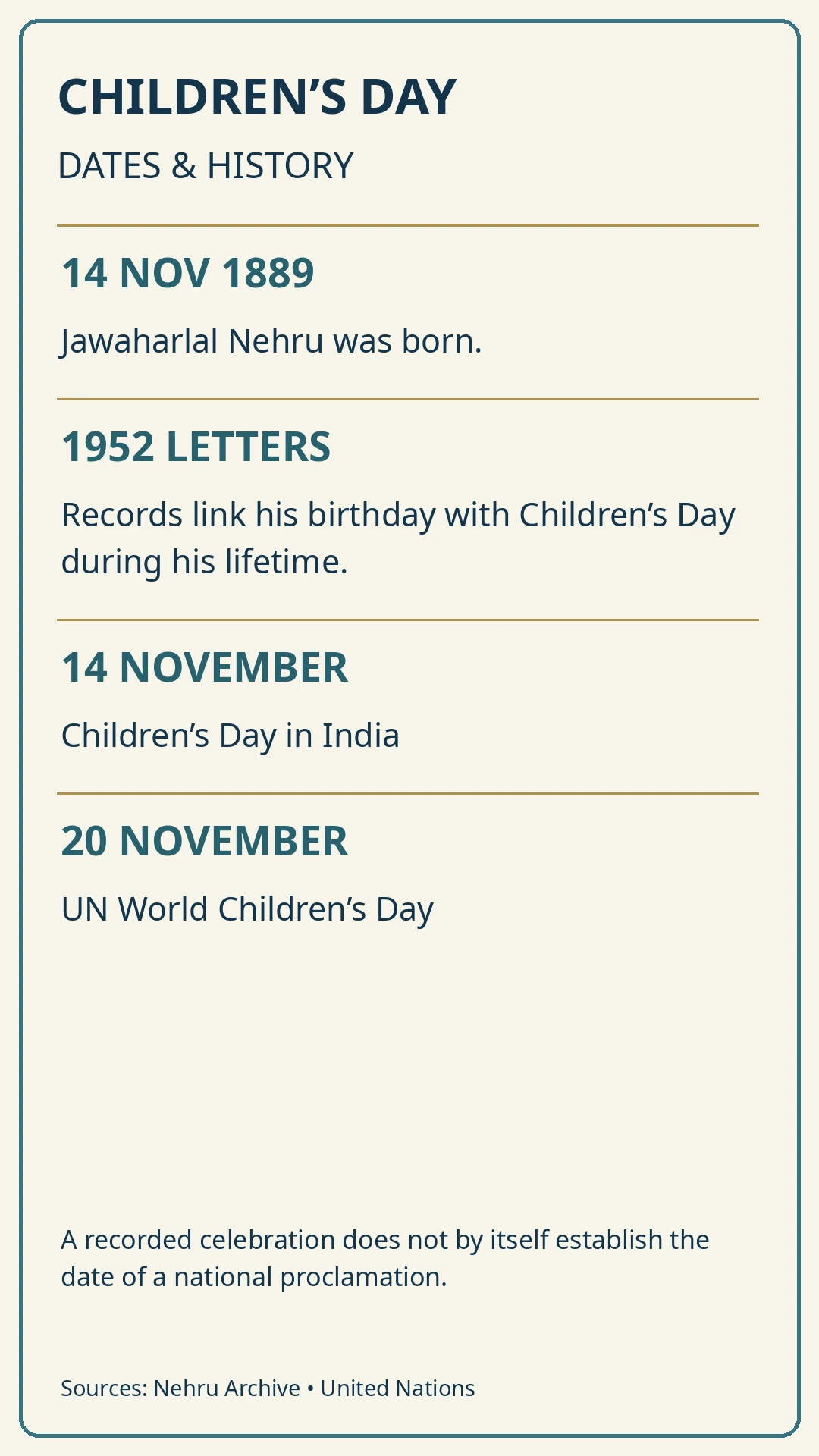
Jawaharlal Nehru was independent India’s first Prime Minister. He was born on 14 November 1889 in Allahabad, now Prayagraj. His birthday is observed as Children’s Day in India, a connection confirmed by the historical Prime Minister’s Office message and the government’s Nehru Portal. His 137th birth anniversary falls in 2026.
The person associated with a date and the purpose of a school celebration are related but distinct questions. A Children’s Day programme can give attention to learning, play, safety and children’s participation. Teachers can introduce the historical connection without turning the entire occasion into a biography lesson.
For a short classroom answer, use three separate sentences: identify Nehru, give his birthday and explain the occasion. Keeping those parts separate helps students answer the question directly while avoiding a confusing list of unrelated political milestones.
Did the 14 November Connection Begin Only After 1964?
A common online account says that Children’s Day became connected with Nehru’s birthday only after his death in 1964. Taken as an absolute claim, this overlooks earlier evidence. His correspondence from 1952 refers to celebrations already taking place during his lifetime.
In a letter to Amrit Kaur dated 22 June 1952, Nehru referred to the previous year’s observance of his birthday as Children’s Day in Lucknow. The letter also discussed directing public attention towards children. This is primary evidence of an earlier celebration, rather than a later retelling of a familiar story.
A letter to Vijayalakshmi Pandit dated 18 November 1952 also described Children’s Day activities associated with his birthday. These records contradict the claim that no such connection existed before 1964. They do not, by themselves, establish the date of a nationwide formal notification or prove which local event was the first anywhere in India.
What Is the Difference Between 14 and 20 November?
India’s Children’s Day is on 14 November. The UN’s World Children’s Day is on 20 November. Treating them as an old date and a replacement date for exactly the same observance causes unnecessary confusion. Identify the national or international context first.
| Date | Occasion | Context |
|---|---|---|
| 14 November | Children’s Day in India | Nehru’s birth anniversary |
| 20 November | World Children’s Day | UN child-rights observance |
The United Nations connects 20 November with the adoption of the Declaration of the Rights of the Child in 1959 and the Convention on the Rights of the Child in 1989. The General Assembly had recommended establishing a day for children in 1954. These are three different historical milestones.
The existence of the international date does not, by itself, prove a complete account of India’s earlier national practice. If an assignment asks when India changed an official date, look for the relevant Indian record rather than treating the UN calendar as sufficient evidence. The wording of an examination question matters: which country, institution and occasion does it name?
Why Is Nehru Called Chacha Nehru?
“Chacha Nehru” is a familiar, affectionate form of address associated with his public relationship with children. It is not a constitutional office or a formal award. His place in the Children’s Day tradition helps explain why the name remains familiar in school settings.
Stories sometimes attach the nickname to a particular child, a rose or a memorable conversation. Without a reliable source, such a scene should not be presented as an established historical event. Explaining the general meaning of the affectionate address is more useful than inventing an origin story.
The same care applies to quotations. A sentence circulating on a poster is not authenticated merely because a portrait appears beside it. Find a speech, letter or published source before putting quotation marks around words attributed to Nehru. If students write their own message, label it as an original school message.
Revision Notes for MP Students and Teachers
Students in Madhya Pradesh can use this topic to practise distinguishing occasions with similar names. A single revision sheet can separate the Indian date, the UN date and the historical evidence. These notes are general knowledge support, not a prediction of MPPSC, MP Police or Patwari examination questions.
- India: Children’s Day—14 November; linked to Nehru’s birthday.
- United Nations: World Children’s Day—20 November; a child-rights context.
- Historical evidence: the 1952 letters refer to celebrations during Nehru’s lifetime.
- Source distinction: a recorded event and a formal nationwide declaration are different kinds of evidence.
Teachers can ask students to write a source title, its date and the specific claim it supports. This makes the activity an exercise in reading history rather than repeating a search summary. For school holidays or programme timings, follow the institution’s notice instead of assuming that an awareness date sets the schedule.
How Can a School Make Children’s Day Meaningful?
Try a “one change in my school” activity. Invite children to suggest something that would help them: more library time, space to play, drinking water, a teacher who listens or support for a classmate. Offer written, spoken and drawing-based responses so participation does not depend only on public speaking.
A second activity is a source comparison. One group reads about India’s Children’s Day, another about World Children’s Day. They build a two-date comparison chart. A third group checks a common online historical claim against the letters. Younger pupils can work with a teacher’s short summary instead of a long document.
Use this history guide for context and the separate speech-and-anchoring article for programme preparation. Giving each article a clear purpose also helps a student find the right material quickly: an explanation of a date is different from a script to read on stage.
Frequently Asked Questions
Why does India celebrate Children’s Day on 14 November?
It is associated with the birth anniversary of Jawaharlal Nehru.
Is World Children’s Day also on 14 November?
No. The United Nations observes World Children’s Day on 20 November.
Did the birthday connection begin only after Nehru’s death?
No. His 1952 letters refer to Children’s Day celebrations during his lifetime.
Which birth anniversary falls in 2026?
14 November 2026 marks his 137th birth anniversary. He was born in 1889.
Are all viral Nehru quotations reliable?
No. Check the original source before attributing a quotation to him.
Advice for History Projects
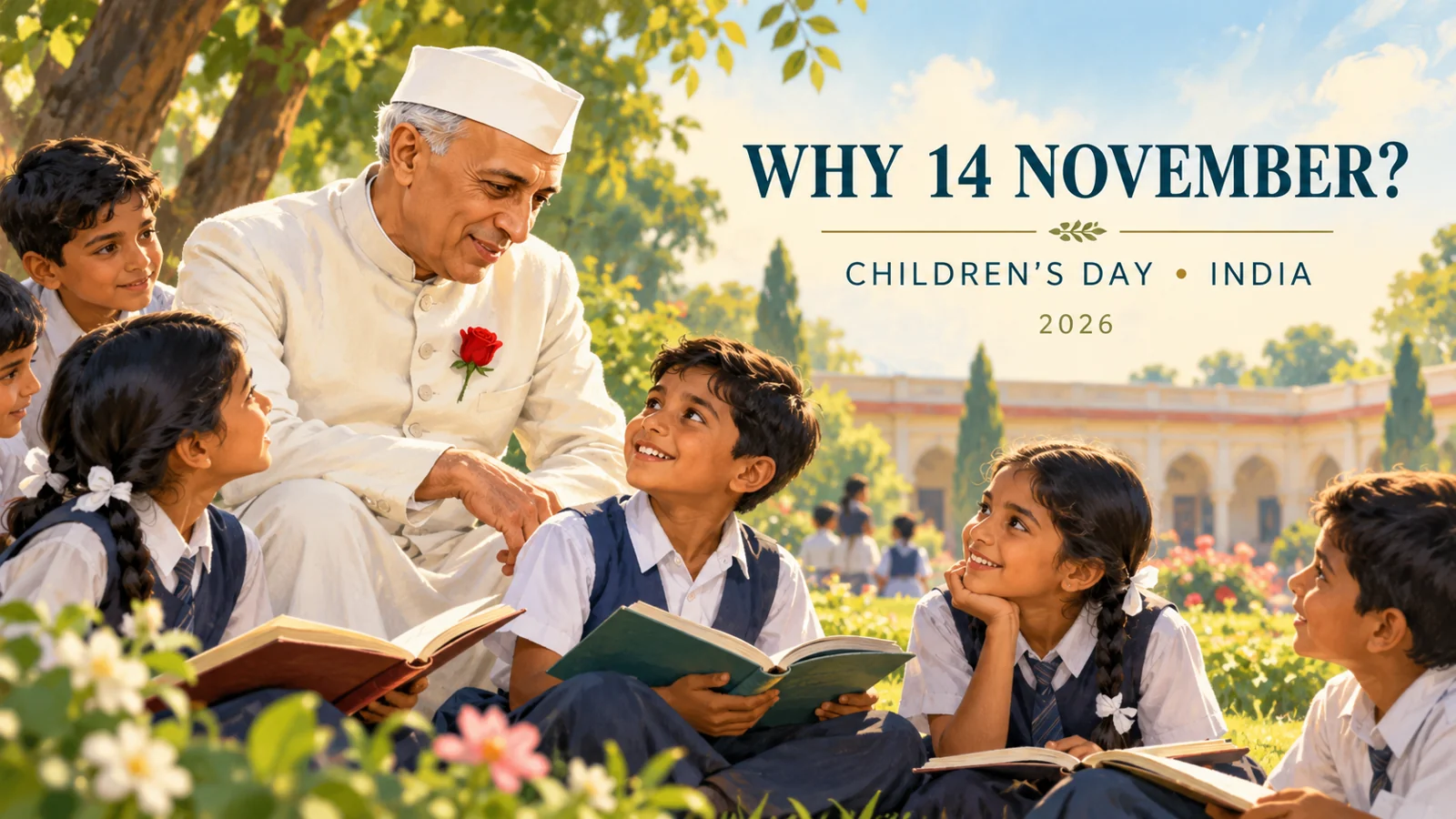
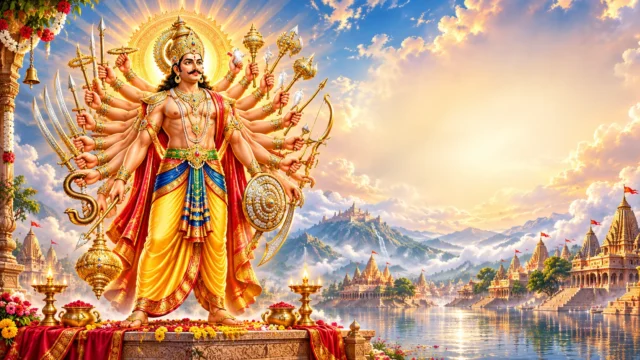
Separate a biography, an observance’s purpose and a claim about its formal establishment. Date and credit archival photographs accurately. This article’s featured image is an artistic illustration, not an archival photograph.
Educational introduction. Check local school instructions separately. Historical conclusions are limited to the evidence identified in the article.
Related reading
- Children’s Day speeches and anchoring
- Constitution Day and the Preamble
- C. V. Raman and scientific curiosity
Sources
- Government Nehru Portal: biography and Children’s Day
- PMO archive: Children’s Day message
- Nehru Archive: letter to Amrit Kaur, 22 June 1952
- Nehru Archive: letter to Vijayalakshmi Pandit, 18 November 1952
- United Nations: World Children’s Day background
Related reading: Indira Gandhi: major decisions and the Emergency















Share Your Opinion
Comments are closed on this post.