Understanding the Samosa and Tea Combination
The pairing of tea and samosas is a beloved snack in many parts of the world, particularly in India. While both can be enjoyed individually, consuming them together can pose health challenges. Tea contains caffeine and sugar, and when combined with a deep-fried, often oily snack like a samosa, the impact on your body can be significant. This combination can lead to digestive discomfort such as gas, bloating, and indigestion. It’s advisable to be mindful of this pairing and consider separating your tea and samosa consumption.
Potential Health Risks of Eating Samosas With Tea
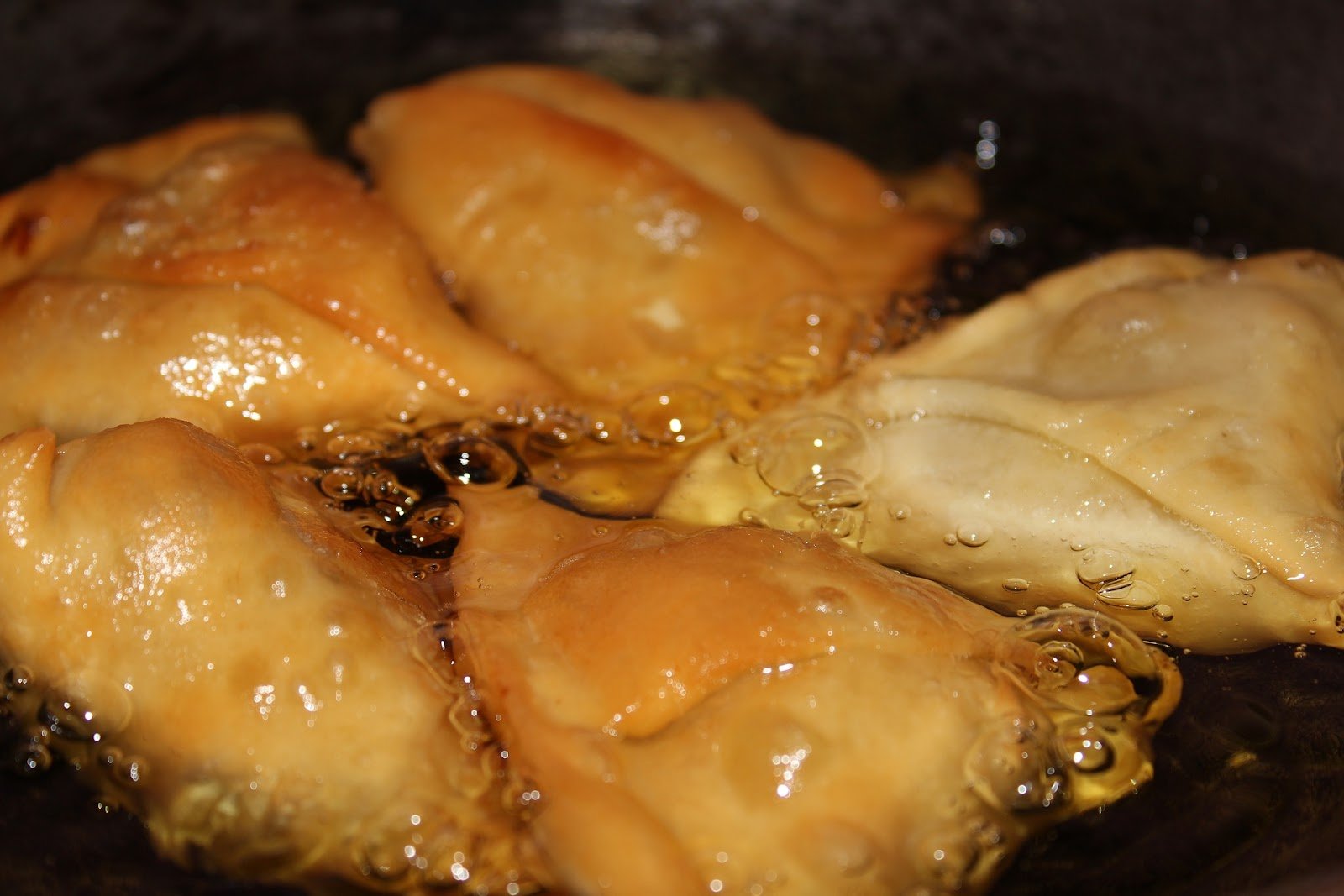
Consuming samosas and tea together can contribute to a range of health problems. Here are some of the key risks:
1. Increased Blood Pressure
Regularly consuming tea and samosas together may contribute to elevated blood pressure. The caffeine in tea and the high sodium content often found in fried snacks can have an impact on your cardiovascular system.
2. Elevated Cholesterol Levels
Samosas are typically deep-fried, meaning they are high in fat. Often, the oil used for frying is reused multiple times, which can lead to the formation of trans fats. Consuming such samosas with tea can contribute to an increase in your body’s cholesterol levels, particularly LDL or ‘bad’ cholesterol.
3. Digestive System Disturbances
The combination of tea and samosas can disrupt your digestive system. Samosas are often made with refined flour (maida), which is low in fiber and can lead to constipation. The high oil content further exacerbates digestive issues. Tea, especially when consumed in large quantities, can also affect digestion.
4. Weakened Immunity
A diet high in processed and fried foods, coupled with excessive tea consumption, can potentially weaken your immune system over time. This makes your body more susceptible to illnesses.
5. Acidity and Heartburn
The caffeine and tannins in tea can increase stomach acid production. When combined with the oily and spicy nature of samosas, this can lead to acidity, heartburn, and discomfort for many individuals.
6. Heart Health Concerns
The cumulative effect of high fat, sodium, and potential trans fats from samosas, along with the stimulants in tea, can put a strain on your heart. This combination is generally not considered heart-healthy.
Making Healthier Choices
While the combination of tea and samosas might be tempting, it’s crucial to be aware of the potential health consequences. If you enjoy both, consider consuming them at different times of the day. For instance, have your tea as a beverage and enjoy samosas as an occasional snack, ensuring they are not overly greasy and are prepared with fresh oil.
Frequently Asked Questions (FAQs)

Q1: Is it always bad to eat samosa with tea?
While occasional consumption might not cause significant harm to a healthy individual, regular or excessive intake of samosas with tea can lead to the health issues mentioned above. It’s about moderation and frequency.
Q2: What are the main health risks of eating samosa with tea?
The primary risks include increased blood pressure, elevated cholesterol, digestive problems like constipation and acidity, weakened immunity, and potential strain on heart health due to high fat, sodium, and caffeine content.
Q3: Can this combination cause acidity?
Yes, the caffeine in tea can increase stomach acid, and the oily nature of samosas can worsen acid reflux and heartburn, leading to acidity.
Q4: How can I enjoy samosas and tea more healthily?
The best approach is to consume them separately. If you must have them together, opt for baked or air-fried samosas instead of deep-fried ones, and limit the portion size. Ensure your tea is not overly sweetened.
Q5: Are there any benefits to eating samosa with tea?
From a health perspective, there are no significant benefits to combining samosas and tea. The primary appeal is taste and cultural habit rather than nutritional advantage.
In conclusion, while the taste of samosas with tea is a popular delight, understanding the potential health implications is important. Making conscious choices about when and how often you consume this combination can help you maintain better health.