 Vista

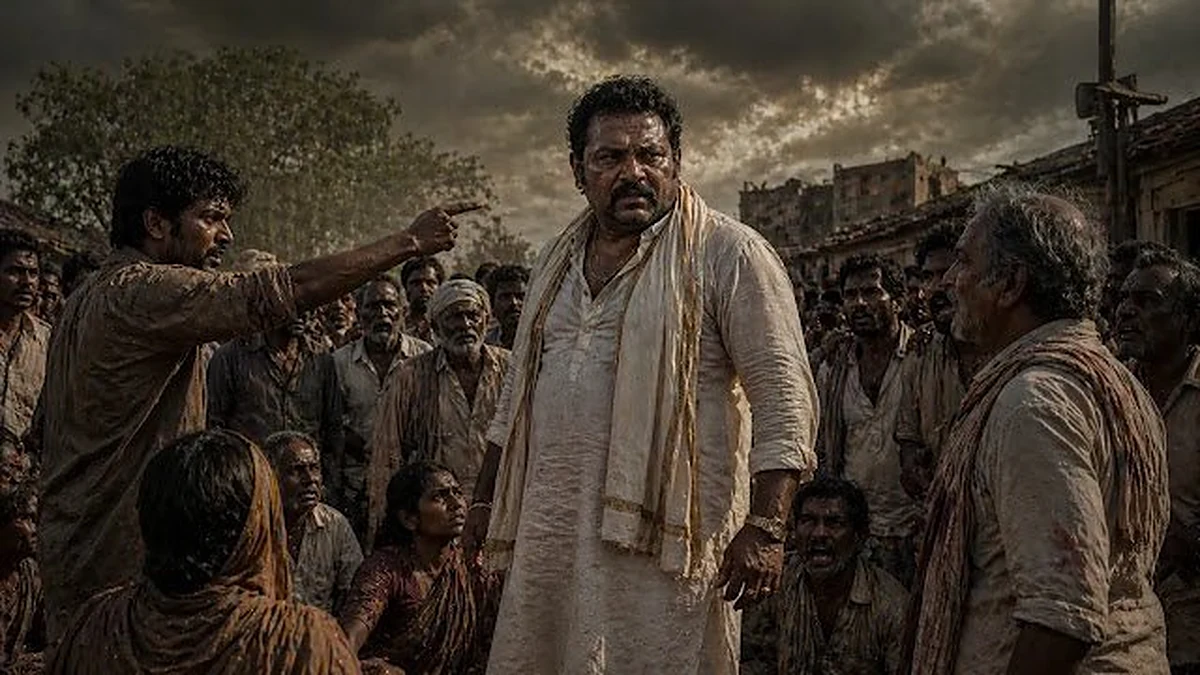
Parents who raised their children with great effort can find themselves thrown out of the house or simply neglected in old age. It is a painful situation, but Indian law offers a remedy: the Maintenance and Welfare of Parents and Senior Citizens Act, 2007. Here is what you can do, in plain language.
What the law says
Under the Act, parents or senior citizens who cannot maintain themselves from their own earnings or property are entitled to maintenance from their children. “Children” covers a son, daughter, grandson and granddaughter, but not a minor. The Act applies across India, and in Madhya Pradesh it came into force on 23 August 2008.
Where and how to apply
- Apply to the Maintenance Tribunal: under Section 5, a parent or senior citizen can apply. If incapable, a person or organisation authorised by them can apply, and the Tribunal can also take up the matter on its own.
- Which district: proceedings may be in the district where the children or relative live, or last lived.
- Tribunal process: the children are summoned. According to iPleaders, the order is to be made within 90 days of service of notice, extendable by 30 days in exceptional cases.
- The order: the Tribunal can order a monthly maintenance allowance, and an interim allowance while the case is pending.
- Appeal: an order can be appealed to the district’s Appellate Tribunal.
Applications usually go through the district administration or social welfare office, but this depends on the state’s rules. Ask your district office.
If you gave away your house or property
Under Section 23, if a senior citizen transferred property on the condition that the receiver would look after them and the receiver fails to do so, the transfer can be treated as void in certain circumstances. Our detailed guide is here: How to Take Back a House Gifted to a Son.
Being thrown out of the house: an important caution
Can the Tribunal order children out of the parents’ own house? Courts have not spoken with one voice. A 2025 Allahabad High Court decision, while dealing with a Section 5 application, held that Tribunals cannot pass eviction orders under Sections 7, 8 or 9. So take advice from a lawyer for your case. Separate remedies may exist for possession and eviction.
If there is immediate danger
- For assault, threats or danger to life, call the police on 112 at once
- If the station will not take your complaint, see our guide on police not registering an FIR and the zero FIR application, and approach senior officers or the district legal services authority
- Ask a trusted relative, neighbour or an old-age home for temporary shelter
Gather these before applying
- Age proof and ID (Aadhaar and similar)
- Names and addresses of the children, and an idea of their income
- Property papers, if property is involved
- Medical bills and living-cost evidence
- Messages, recordings or other proof of neglect
FAQ
Can children throw parents out of their house?
If the house belongs to the parents, children cannot simply expel them. It depends on ownership and documents, so consult a lawyer.
Who can apply for maintenance?
The parent, or a person or organisation authorised by them. The Tribunal can also act on its own.
Do I need a lawyer?
The Tribunal process is meant to be simple, but advice from a lawyer helps if property is involved.
How much maintenance is awarded?
It depends on the children’s means and the parents’ needs. No fixed amount is given here since state rules and amendments can differ.
Are daughters-in-law and sons-in-law liable?
The definition of “children” lists son, daughter, grandson and granddaughter. For childless seniors, some relatives may be liable. Confirm your case with a lawyer.
This is general guidance, not legal advice. State rules and court interpretations can change. Consult a lawyer or the district legal services authority for your case.
Also read: What Happens If You Do Not Register Your Marriage in India? Why a Marriage Certificate Matters | How Is Wife’s Maintenance Decided When Living Separately in India? Section 144 BNSS Explained
Sources
- Maintenance and Welfare of Parents and Senior Citizens Act, 2007 (India Code)
- Vikaspedia: Maintenance and Welfare of Parents and Senior Citizens Act, 2007
- iPleaders: Overview of the Act
- ClearTax: Maintenance and Welfare of Parents and Senior Citizens Act
- Legal Service India: Legal rights of elderly parents
- Allahabad High Court (27 May 2025): eviction orders by the Tribunal



















Share Your Opinion
Comments are closed on this post.