 Vista
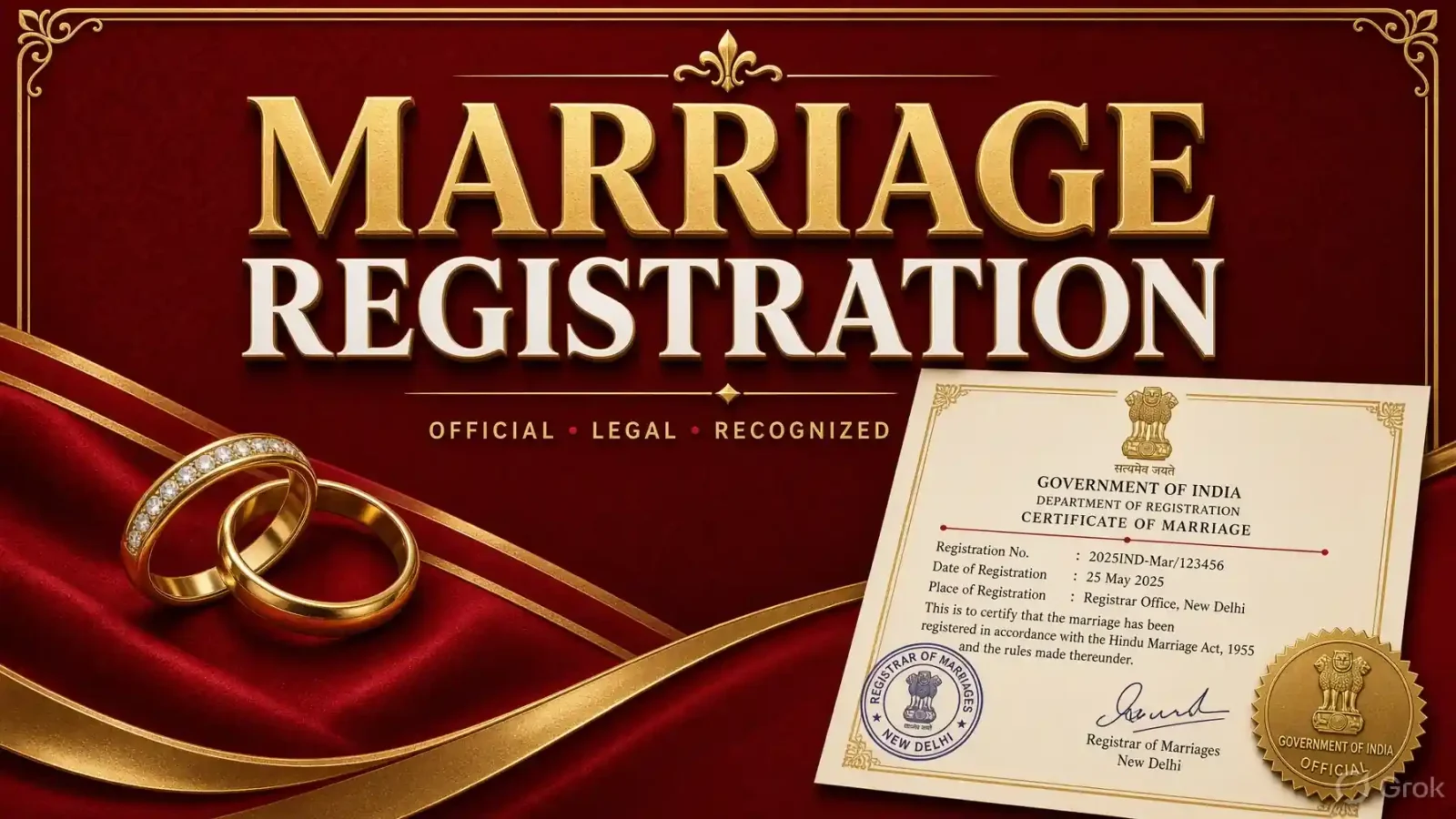
Many Indian weddings are held by custom and never recorded on paper. Then a passport, visa, insurance or property matter comes up and someone asks: where is your marriage proof? This post explains what happens if you do not register, and why you should.
First, the big question: is an unregistered marriage invalid?
Not necessarily. Section 8 of the Hindu Marriage Act, 1955 provides for registration. Legal explainers such as iPleaders and CorpBiz say the section does not make registration strictly compulsory, and that failure to register does not affect the validity of the marriage (Section 8(5)). If the marriage was solemnised lawfully, it does not become void merely for lack of registration.
A Bar & Bench report adds that the Supreme Court has said registration only confirms that a valid ceremony took place under Section 7. If no valid ceremony was performed, registration alone does not make the marriage valid.
Why registration is still treated as important
In Seema v. Ashwani Kumar (2006), the Supreme Court said marriages of citizens of all religions should be registered and asked states to frame rules. The concern was that people could deny a marriage existed because most states had no official record.
Different laws differ: the Special Marriage Act 1954, the Christian marriage law and the Parsi marriage law provide for registration as a core requirement, while under the Hindu Marriage Act states may make rules. So the position can vary by state.
Problems without a marriage certificate
| Where | What can go wrong |
|---|---|
| Passport and visa | Proof is asked for spouse details, spouse visas or name changes |
| Insurance and pension | Evidence is needed to claim as spouse or dependant |
| Property and inheritance | The marriage is harder to prove in a dispute |
| Maintenance and divorce | If the marriage is denied, the burden of proving it rises |
| Banks and schemes | Joint accounts, family benefits or name changes may need the document |
Legal Service India's guide says a registered marriage strengthens a person's position on inheritance, maintenance, divorce, custody, passports and pensions.
How to register
The process, fees and office depend on your state and district. Generally these are needed:
- ID and age proof of both spouses
- Address proof
- Evidence of the marriage, such as the wedding card or photographs
- Passport-size photos of the couple
- Witnesses (many states ask for them)
Where to apply (marriage registrar, sub-registrar, local body or online portal) and the time limit should be confirmed on your state's official portal or district office. We have not quoted state fees or dates, to avoid wrong information.
Can you register late?
Many states allow late registration after the prescribed period, sometimes with a fee or extra steps. Check your state's rules. The earlier the better, because witnesses and documents are easier to find.
FAQ
Does non-registration make a marriage illegal?
No. Under Section 8(5) of the Hindu Marriage Act, failing to register does not affect validity.
Is marriage registration compulsory?
In 2006 the Supreme Court called for registration for all religions and asked states to make rules. Rules differ by state, so check yours.
Where is a marriage certificate needed?
Passports, visas, insurance, pensions, property matters and many government schemes.
Does registration alone make a marriage valid?
No. According to the Supreme Court, registration confirms a duly solemnised marriage and does not validate an invalid one.
Where do I register?
It depends on your state: the marriage registrar or sub-registrar office, a local body or an online portal.
This is general guidance, not legal advice. Marriage registration rules vary by state and religion. Check with a lawyer or your local marriage registrar.
Also read: How Is Wife’s Maintenance Decided When Living Separately in India? Section 144 BNSS Explained | How Many Days Does a Mutual Consent Divorce Take in India? The 1-Year, 6-Month and 18-Month Rules
Sources
- Supreme Court of India: Seema v. Ashwani Kumar (14 February 2006)
- Hindu Marriage Act, 1955, Section 8
- iPleaders: Section 8 of the Hindu Marriage Act and Mandatory register marriage in India
- CorpBiz: Is marriage registration compulsory in India
- Bar & Bench: Hindu Marriage Act, ceremonies and registration
- Legal Service India: Marriage Registration in India
- Law Commission of India: Compulsory Registration of Marriages






















Share Your Opinion
Comments are closed on this post.