
What is Meditation and Why is it Important?
Meditation is a practice where you train your mind to focus and redirect your thoughts. It involves quieting the mind by focusing on a single point, such as your breath, a mantra, or a sensation. The goal is to achieve a mentally clear and emotionally calm state. Ancient wisdom traditions and modern science alike recognize the profound importance of meditation. It helps us establish a deeper connection with our body and mind, enabling us to live more consciously and balanced lives.
The Amazing Benefits of Meditation
Regular meditation practice offers a wealth of physical and mental advantages:
- Mental Peace and Stress Relief: Meditation helps reduce stress hormones and calms the mind, leading to feelings of greater peace and stability.
- Improved Concentration and Focus: It enhances your ability to concentrate, allowing you to perform tasks more efficiently.
- Emotional Balance: Meditation aids in better understanding and managing your emotions.
- Increased Self-Awareness: You become more attuned to your thoughts, feelings, and bodily sensations.
- Better Sleep: It can help reduce insomnia and promote deeper sleep.
- Physical Health Benefits: Some studies suggest meditation may help lower blood pressure, reduce pain, and strengthen the immune system.
How to Meditate: A Step-by-Step Guide for Beginners
Starting a meditation practice is simpler than you might think. Consistency is key. Here are easy steps to begin:
1. Choose the Right Place
Find a quiet environment where you won’t be disturbed. This could be a corner of your room, a balcony, or a peaceful garden. Aim for a space free from noise. Ensure your spot is clean and comfortable. You can use a mat, cushion, or a comfortable chair. Try to meditate in the same place each day to help your mind associate it with practice.
2. Select the Right Time
The morning is often considered ideal for meditation, as the mind is typically calmer with fewer thoughts. However, meditating in the evening can also help release the day’s stress. The most crucial aspect is to meditate at a consistent time each day, even if it’s just for 5-10 minutes.
3. Adopt a Comfortable Posture
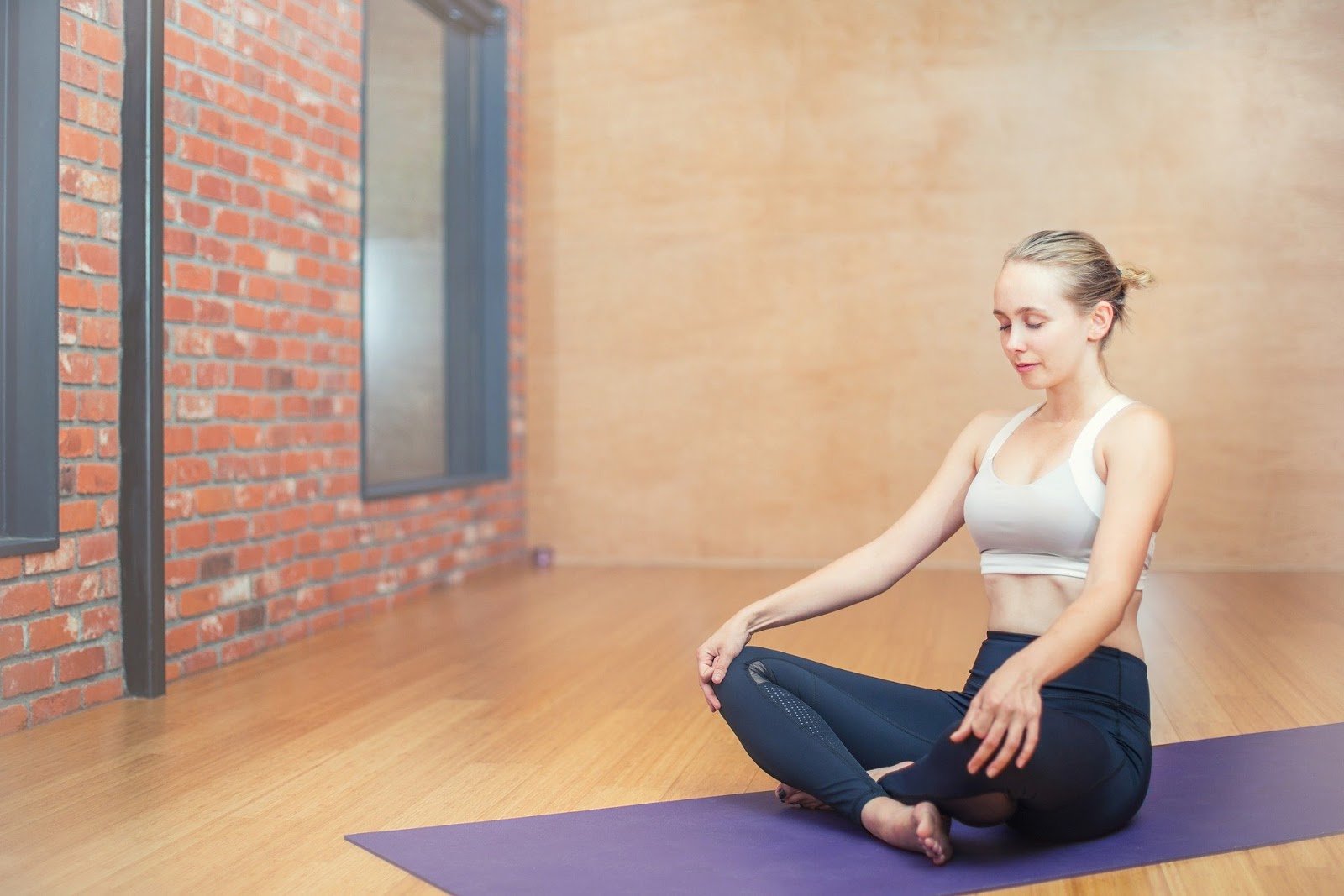
Sit on a mat with your legs crossed, or sit on a chair with your feet flat on the floor. Keep your spine straight but relaxed; this helps you stay alert. Rest your hands on your knees, palms facing up or down, whichever feels more natural. You can also form the Jnana Mudra by touching your thumb and index finger. Wear loose, comfortable clothing that doesn’t constrict your body. You can gently close your eyes or keep them slightly open with a soft gaze directed downwards.
4. Focus on Your Breath (Anapanasati Method)
This is a fundamental and effective meditation technique:
- Deep, Slow Breaths: Inhale slowly and deeply through your nose, and exhale slowly. Feel your abdomen rise as you inhale and fall as you exhale.
- Feeling the Breath: Simply observe the sensation of your breath – the air entering and leaving your nostrils, your chest and abdomen expanding and contracting. This anchors you in the present moment.
5. Allow Thoughts to Come and Go
It’s natural for your mind to wander and for thoughts to arise, especially when you’re starting. When a thought appears, don’t try to stop it. Observe it like a cloud passing by. Don’t judge it or react to it. When you notice your mind has drifted, gently and without self-criticism, bring your attention back to your breath. This redirection is a core part of the practice.
6. Set a Time Limit
Begin with short sessions of 5-10 minutes. As you become more comfortable, gradually increase the duration, perhaps to 15-20 minutes. You can use a soft alarm on your phone or watch to keep track of time.
7. The Importance of Regular Practice
Meditation is a skill that improves with consistent practice. Practicing a little every day is more beneficial than infrequent long sessions. Be patient with yourself and trust the process.
Common Challenges and Solutions
- Mind Wandering: This is normal. Gently guide your attention back to your breath. Avoid self-reproach.
- Feeling Sleepy: If you feel drowsy, you can slightly open your eyes or adjust your posture. Ensure you’re getting adequate sleep.
- Discomfort: If you experience physical discomfort, gently adjust your posture. Meditation should not involve pain.
- Expectations: Don’t expect immediate results. Meditation is a journey, not a destination. Each session will be unique.
Making Meditation a Part of Your Routine
Integrate meditation into your daily life by dedicating a few minutes upon waking or before breakfast. Take short mindfulness breaks during your workday, focusing on your breath for 2-3 minutes. If possible, seek guidance from a meditation teacher or join a meditation group for support and motivation.
FAQs about How to Meditate

Q1: How long should a beginner meditate each day?
Beginners should aim for 5-10 minutes daily. Consistency is more important than duration when starting.
Q2: What is the best time to meditate?
Many find the morning ideal due to a calmer mind. However, any time you can commit to consistently works well.
Q3: My mind wanders a lot during meditation. What should I do?
This is very common. Simply acknowledge the thought without judgment and gently redirect your focus back to your breath. This is the practice itself.
Q4: Can meditation really help with stress and focus?
Yes, numerous studies and anecdotal evidence suggest that regular meditation can significantly reduce stress and improve concentration over time.
Q5: Do I need special equipment to meditate?
No, you don’t need any special equipment. A quiet space and a comfortable posture are sufficient. You can use a cushion or chair if it helps.























Share Your Opinion
Comments are closed on this post.