What is Burnout? How is it Different from Normal Stress?
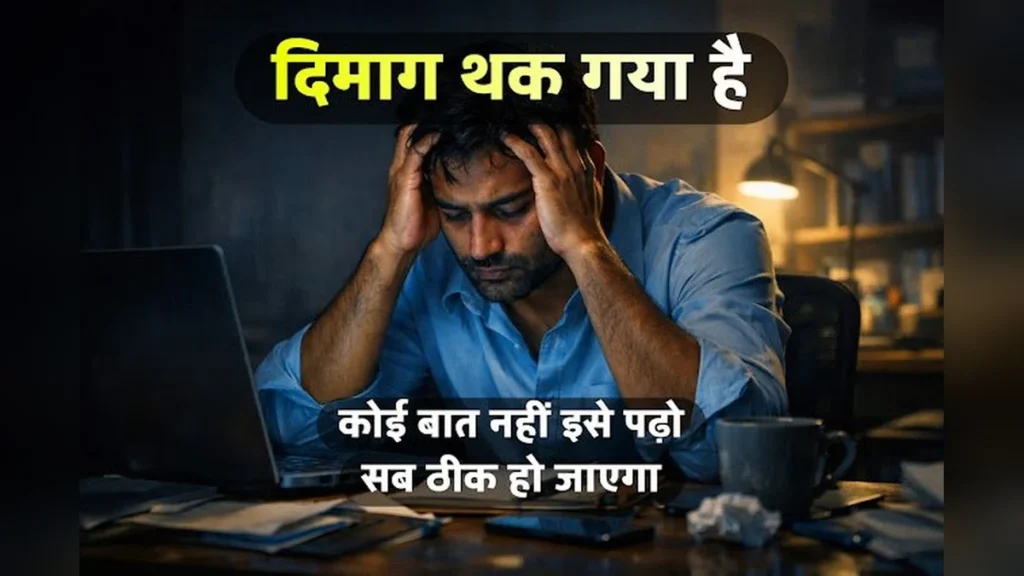
Burnout is a state resulting from prolonged, excessive physical, emotional, and mental stress. It occurs when you feel constantly overworked and completely depleted of energy. The World Health Organization (WHO) defines it as a ‘syndrome’ arising from ‘chronic workplace stress’ that has not been successfully managed. Burnout differs from normal stress in that stress can make you feel energized and stimulated, whereas burnout leaves you feeling completely empty and demotivated. Stress is often associated with excessive engagement, while burnout is linked to detachment and hopelessness.
Key Burnout Symptoms: How to Recognize Them
Burnout can manifest in various ways, and its symptoms vary from person to person. They can be broadly categorized into three main areas:
1. Emotional Symptoms
- Persistent Fatigue and Lack of Energy: This is the most common and prominent symptom. You might wake up feeling tired and experience a rapid depletion of energy even with minimal effort.
- Loss of Motivation: A decrease in interest in work or activities you once enjoyed. You may feel indifferent towards everything.
- Cynicism and Negativity: A pessimistic outlook towards the future, finding negativity in everything, and feeling powerless to change things.
- Irritability and Impatience: Getting easily angered by minor issues, feeling impatient with family or colleagues.
- Emotional Detachment: Feeling disconnected from people, difficulty expressing emotions, or feeling emotionally numb.
- Anxiety and Stress: Fatigue and anxiety often go hand-in-hand. You might experience constant, unspecific worry or increased overthinking and tiredness about future events.
2. Physical Symptoms
- Chronic Fatigue: This is not just lack of sleep but a deep, persistent tiredness that doesn’t go away even after rest.
- Sleep Disturbances or Insomnia: Difficulty sleeping, insomnia, or conversely, sleeping too much yet still feeling exhausted.
- Physical Ailments: Frequent physical complaints such as headaches, muscle pain, or stomach issues. Body pain due to stress is a common complaint.
- Weakened Immune System: Frequent colds, flu, or other infections, indicating your body is becoming vulnerable.
- Changes in Appetite: Complete loss of appetite or excessive eating, leading to weight fluctuations.
3. Behavioral and Cognitive Symptoms
- Decreased Work Performance: Difficulty concentrating at work, making mistakes, and reduced productivity. You might feel your mind is tired and not functioning properly.
- Social Withdrawal: Avoiding friends and family, staying away from social activities.
- Procrastination: Delaying important tasks or avoiding responsibilities.
- Lifestyle Changes: Increased reliance on coffee or energy drinks, or increased consumption of alcohol/substances.
- Memory Problems: Forgetfulness, difficulty focusing.
Main Causes of Burnout: Why Does it Happen?
Burnout often results from a combination of factors. Some primary causes include:
1. Work-Related Factors
- Excessive Workload and Long Hours: Constant work pressure and overtime.
- Lack of Control: Feeling little control over your work or decisions.
- Unclear Expectations: Lack of clarity about your role and responsibilities.
- Unfair Treatment: Experiencing injustice, favoritism, or lack of respect at the workplace.
- Lack of Social Support: Not receiving support from colleagues or managers.
- Work-Life Imbalance: Insufficient time for personal life due to work demands. Job frustration and office pressure can exacerbate anxiety.
2. Lifestyle-Related Factors
- Insufficient Sleep: Consistently not getting enough sleep.
- Lack of Social Support: Not receiving adequate emotional support from friends or family in personal life.
- Too Many Responsibilities: Excessive burden of responsibilities at home or elsewhere, in addition to work.
- Perfectionism and Pessimism: Setting excessively high expectations for oneself or having a negative outlook.
- Lack of Rest and Recreation: Not taking enough breaks or time for hobbies.
The Impact of Burnout on Your Life
If left unaddressed, burnout can have serious consequences across various aspects of your life:
- Mental Health: Increased risk of depression, anxiety, and other mental health issues.
- Physical Health: Increased risk of high blood pressure, heart disease, diabetes, and other chronic illnesses.
- Relationships: Strain on personal and professional relationships due to irritability and withdrawal.
- Work Performance: Significant drop in productivity and risk of job loss.
Strategies for Coping with and Preventing Burnout
Recovering from burnout is possible, but it requires conscious effort:
- Prioritize Self-Care: Get adequate sleep, eat a nutritious diet, and exercise regularly.
- Set Boundaries: Establish clear boundaries between work and personal life. Learn to say ‘no’.
- Seek Support: Talk to friends, family, or a trusted individual. Don’t hesitate to seek professional help if needed.
- Practice Stress Management Techniques: Engage in yoga, meditation, deep breathing exercises, or mindfulness.
- Re-evaluate Priorities: Reassess your priorities and reduce unnecessary commitments.
When to Seek Professional Help
If burnout symptoms are severe, persistent, and significantly impacting your daily life, it is crucial to seek help from a mental health professional (such as a therapist or counselor). They can assist you in understanding the situation and developing effective coping strategies.
Conclusion
Burnout is a serious condition that should not be ignored. Recognizing its symptoms and taking timely action is vital for your physical and mental well-being. Remember, taking care of yourself should be your priority. If you are facing burnout symptoms, it’s time to reflect on your lifestyle and priorities and take the necessary steps towards recovery.
Frequently Asked Questions
- What are the main burnout symptoms to watch out for?
Key burnout symptoms include persistent fatigue, loss of motivation, cynicism, irritability, physical ailments like headaches and stomach issues, sleep disturbances, and decreased work performance. - How is job burnout different from regular stress?
While stress can be motivating, burnout leads to feelings of exhaustion, detachment, and hopelessness. Stress is often temporary and related to specific events, whereas burnout is a chronic condition resulting from prolonged exposure to workplace stressors. - Can lifestyle factors contribute to burnout?
Yes, lifestyle factors such as insufficient sleep, lack of social support, excessive responsibilities, perfectionism, and inadequate rest can significantly contribute to or worsen burnout. - What are some effective ways to manage burnout?
Effective management involves prioritizing self-care (sleep, diet, exercise), setting clear boundaries, seeking social support, practicing stress-reduction techniques like meditation, and re-evaluating personal priorities. - When should I consider seeking professional help for burnout?
You should seek professional help if burnout symptoms are severe, persistent, significantly interfere with your daily life, or if self-help strategies are not providing relief.