 Vista
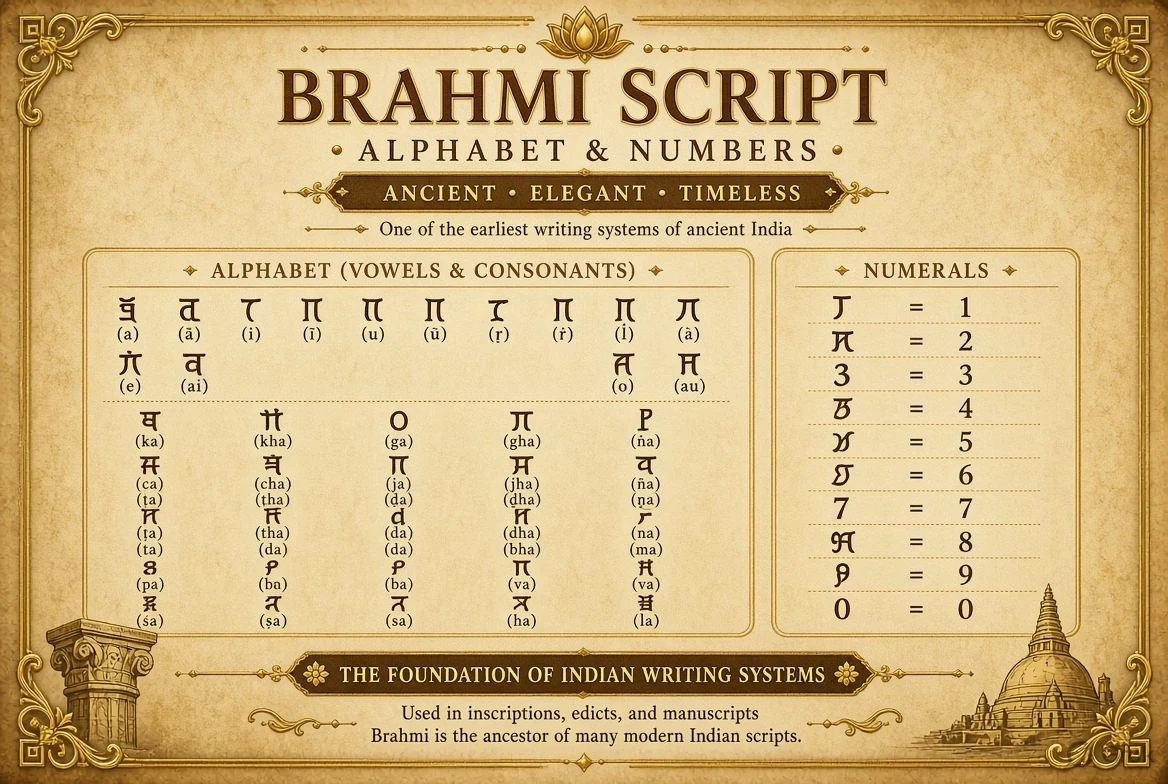
Direct answer: Brahmi is one of the earliest widely attested writing systems of the Indian subcontinent, famous from the rock and pillar edicts of Ashoka in the third century BCE. It was normally written from left to right and shaped the development of many later South Asian scripts. The Brahmi Unicode block is U+11000–U+1107F. This guide separates historical letter shapes from simplified classroom charts and explains why ancient Brahmi numbers should not be mistaken for a modern 0–9 place-value system.
Updated 20 November 2026. Historical script posters here are educational illustrations, not authenticated manuscript facsimiles.
Brahmi alphabet chart: quick facts
| Earliest extensive inscriptions | Ashokan edicts, third century BCE |
|---|---|
| Typical direction | Left to right |
| Unicode block | U+11000–U+1107F |
| Relation to modern scripts | Ancestor of many Indic script traditions |
| Numbers | Historically used signs for units and larger values |
| Caution | Not all Brahmi periods have identical glyphs |
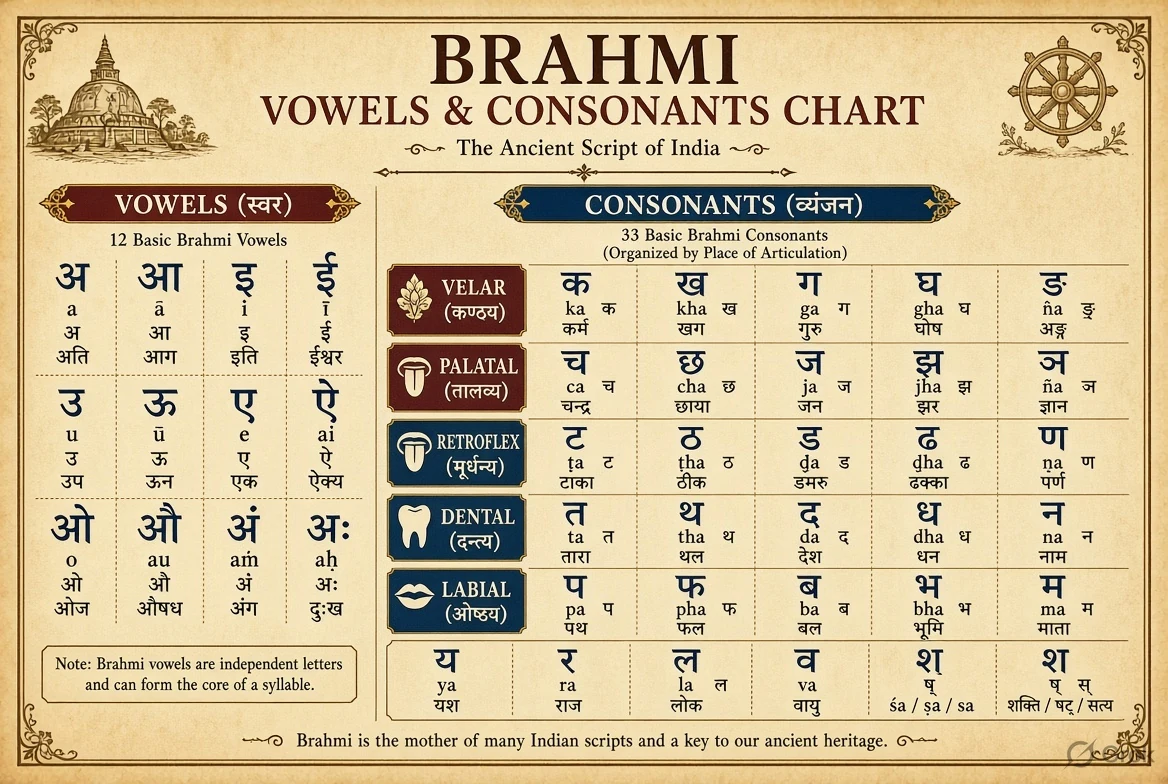
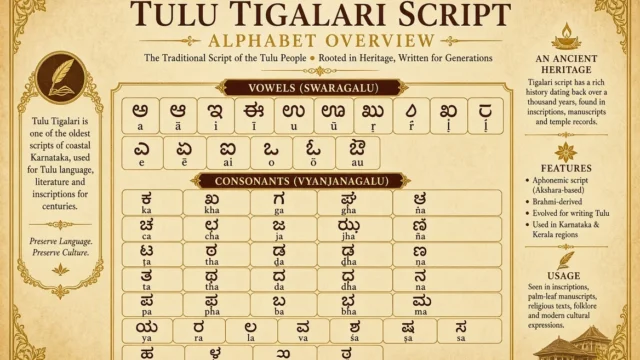
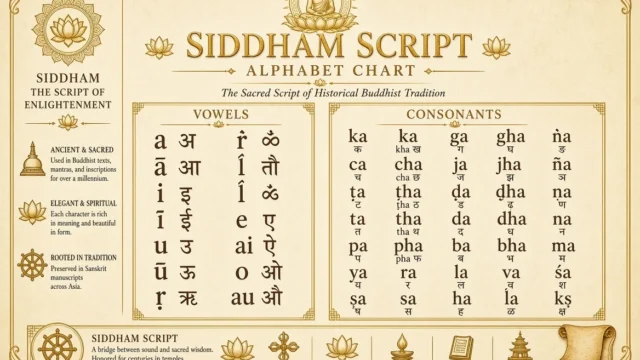
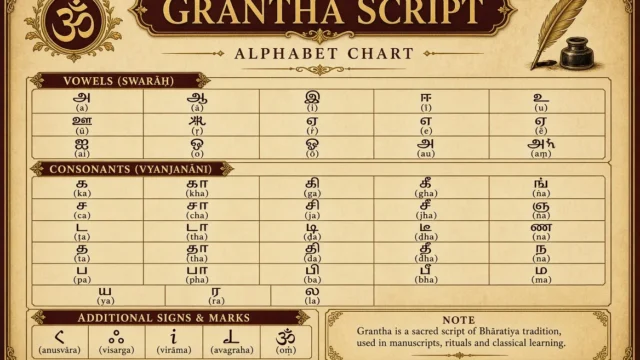
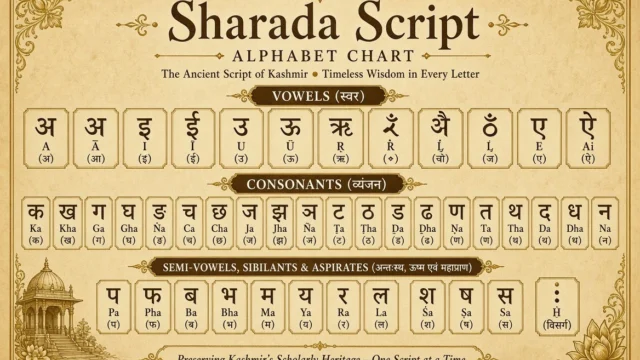
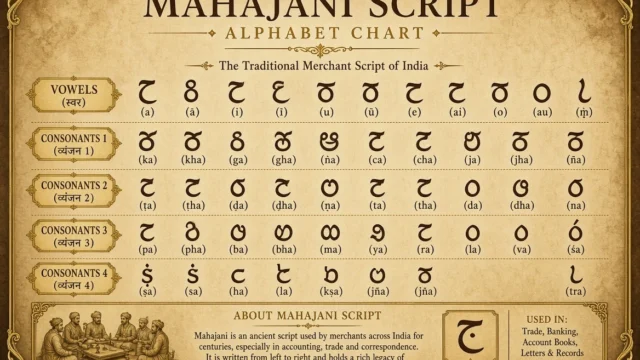
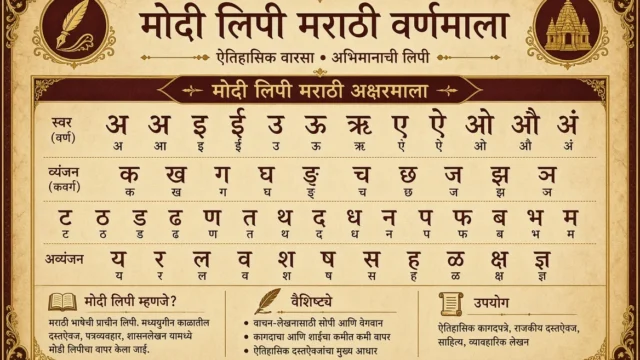
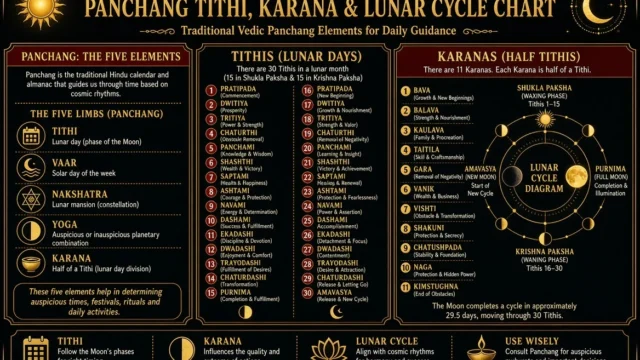
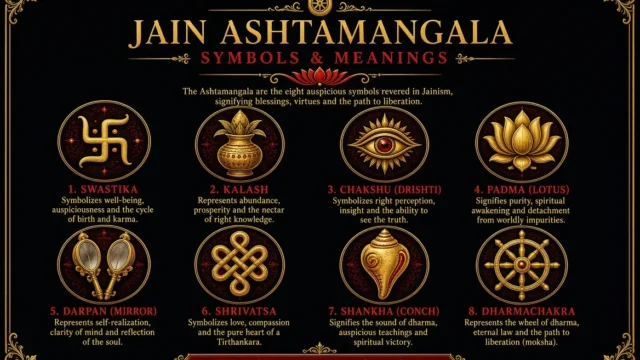
Picture chart and visual references


Why Brahmi matters in Indian writing history
Brahmi provides crucial evidence for the linguistic and administrative history of early South Asia. The inscriptions of Ashoka are among its most recognizable examples, appearing on stone across the subcontinent. Later regional hands evolved in different directions, contributing to many modern script traditions. This does not mean one uniform Brahmi alphabet remained unchanged for hundreds of years. A chart labeled ‘Ashokan Brahmi’ should represent that period’s documented forms, while a chart labeled merely ‘Brahmi’ may choose a modern scholarly norm. Keeping the period visible is essential for accuracy.
Brahmi alphabet chart: what are the vowels?
Brahmi is an abugida with consonant signs and signs that modify the inherent vowel. Independent vowels appear where needed. A student may see familiar sound categories such as a, i and u, but their Brahmi shapes differ markedly from the corresponding modern Devanagari characters. Transliteration tables are useful because they let us compare sound values without pretending that all descendant scripts have identical glyphs. A careful chart shows independent vowel letters separately from vowel signs. It should not invent a modern full alphabet with characters unattested in the historical corpus.
Consonants and the structure of Brahmi syllables
Early Brahmi consonants typically represent a consonant plus the inherent vowel unless modified. Vowel marks interact with the base consonant, and historical conventions developed over time. Some modern examples use standardized glyphs modeled on early inscriptions, but real stone carving depends on the material and the scribe’s skill. If a stroke is missing, several candidates may resemble one another. For serious decipherment, compare sequences in multiple words and inscriptions. Recognizing a consonant symbol in a chart is different from being able to read a damaged inscription reliably.
Brahmi numbers: why ‘0–9’ can be misleading
Historic Brahmi numeral notation was not simply the same as writing today’s ten decimal digits in another font. Older systems included signs for units and larger values, with arrangements unlike the modern positional decimal system. Different regions and periods developed variants. A chart that labels a modern zero as an ordinary third-century BCE Brahmi symbol without qualification risks teaching a false chronology. Check whether the visual represents an early numeral inscription, a later historical numerical convention or a Unicode encoding choice. Students benefit from comparing how a number is written in its own period rather than forcing a one-to-one visual substitution.
Ashokan edicts and the historical context
Ashoka’s inscriptions were not all carved in the same script. Some northwestern edicts used Kharoshthi, while a large body of inscriptions used Brahmi. The language of an inscription, the script in which it was written and the region where it was found must be identified separately. Many texts reflect forms of Prakrit, and variations in spelling matter to historians. A classroom caption should therefore say ‘Brahmi examples from Ashokan edicts’ only when the examples are accurately grounded in those inscriptions. A stylized modern artwork should instead be labeled as an illustration.
Brahmi to Devanagari: lineage versus direct equivalence
It is broadly correct to describe many present-day Indic writing systems as descendants of Brahmi, but the path passed through numerous intermediate regional scripts. Devanagari did not appear suddenly as a direct one-step replacement. Regional changes affected letter shapes, stroke patterns, vowel notation and typography. A useful comparison shows a chain of development with approximate periods and makes clear that a visual similarity is not proof of an exact historical stage. For beginners, this lineage explains both why Indic scripts share structural ideas and why their character charts can look so different.
Brahmi and Kharoshthi are not the same script
A common confusion comes from seeing both scripts associated with ancient northwestern inscriptions. Brahmi usually runs left to right; Kharoshthi runs right to left and has a separate historical relationship to Aramaic writing. Their letter shapes and numeral conventions differ. The Unicode Standard treats them as distinct scripts. Reading an Ashokan inscription therefore starts with identifying the script and direction, not just the ruler’s name. If an image has mirrored characters, the direction can be distorted further. Never flip a historical inscription merely to fit a design template.
Unicode Brahmi block and digital fonts
Unicode encodes Brahmi in the U+11000–U+1107F block. A code point identifies a character, but a font decides its visual outline; more than one font may show legitimate stylistic differences. Some marks need proper rendering with adjacent characters. If a browser shows squares, use a font with Brahmi support and test the text across platforms. Optical character recognition of inscriptions remains difficult because damage, erosion and historical variants complicate shape matching. Keep the original photographic source with any transcription so that readers can test uncertain readings.
Reading an inscription safely: a simple method
Start with the object or monument’s verified provenance, date range and published photograph. Note line direction, damage and repeated characters. Copy visible signs exactly before attempting transliteration into Roman letters or interpretation in a modern language. Separate uncertain traces from confidently identified letters. Use academically documented corpora for comparisons, and take care with unofficial charts whose sources are not given. If a claim depends on a particular line from an edict, readers should be able to locate that line in a scholarly edition rather than rely on an attractive but untraceable social-media image.
Making an educational Brahmi letters poster
A good poster states whether it uses an Ashokan period chart or a later standard. Separate vowels, consonants, signs, number forms and the historical notes. Put romanized sound values beside characters, not an unsupported ‘Hindi translation’ of each glyph. If you add an image of stone carving, say whether it is a real photograph or an illustrative graphic. Check every code point against Unicode. Use large enough letters that strokes do not merge on a phone. An accessible caption and searchable transcription can make the resource useful well beyond visual memorization.
Myths, facts and high-value follow-up questions
Myth: every Indian script used today is visually just Brahmi with a different font. Fact: Brahmi is an important ancestor, but many stages and regional innovations intervene. Myth: an ancient Brahmi numbers chart contains a modern zero and place-value numerals identical in function to ours. Fact: numeral history needs precise time labels. Useful searches include ‘Brahmi script alphabet chart PDF’, ‘Ashokan Brahmi letters A to Z’, ‘Brahmi number system explained’, ‘Brahmi to Devanagari comparison’, ‘Brahmi vs Kharoshthi’ and ‘Unicode Brahmi font’. These are reader-intent ideas, not guaranteed trending keywords.
Frequently asked questions
What is the Brahmi script?
An ancient South Asian script extensively documented in Ashokan inscriptions and influential in later writing traditions.
Is Brahmi written left to right?
Normally yes.
What is the Brahmi Unicode range?
U+11000–U+1107F.
Is Brahmi the same as Devanagari?
No. They belong to a long historical lineage but have distinct forms and encoding.
Did ancient Brahmi use today’s 0–9 digits?
No. Early numerical conventions differed from modern positional decimal notation.
Where do we find Brahmi inscriptions?
Among other places, on edicts and archaeological inscriptions of ancient South Asia.
Source, related reading and conclusion
Character structure, historical use and encoding details were checked against The Unicode Standard, historic South Asian scripts. For a related Indian alphabet resource, read our Kaithi script alphabet reference. Use these illustrations to learn the framework, then verify fine glyph differences against official charts and documentary facsimiles before making a manuscript claim.









Share Your Opinion
Comments are closed on this post.