 Vista
What is Blue Light?
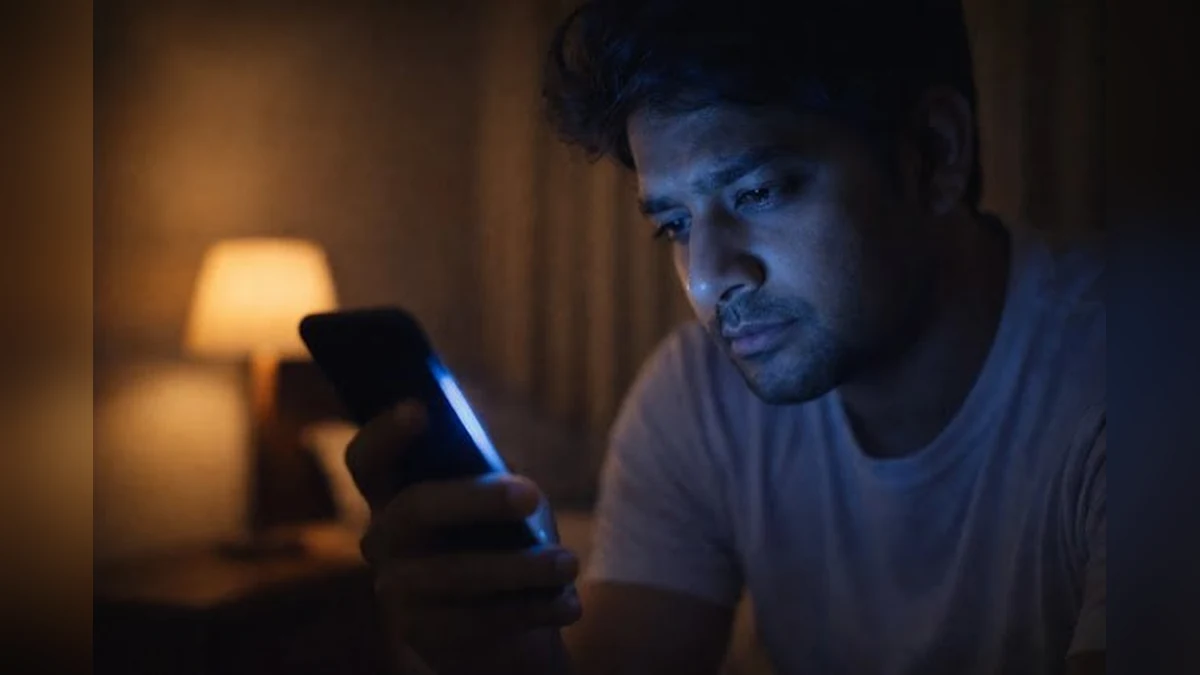
We often hear that blue light is bad for our eyes, but what exactly is it? Blue light is a part of the visible light spectrum with a high wavelength and high energy. It’s naturally present in sunlight, but our modern lifestyle means we’re constantly exposed to it from phones, tablets, laptops, and LED bulbs. Think of it this way: when you’re in natural sunlight, your body and brain recognize blue light as a signal of daytime. However, when the same blue light comes from screens at night, it can confuse our internal biological clock.
How Blue Light Affects Our Internal Rhythm
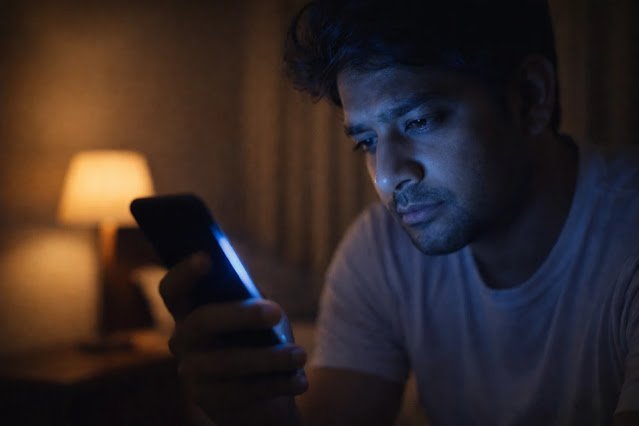
Our bodies are governed by an internal biological clock called the circadian rhythm. This clock is synchronized with the patterns of sunlight. When the sun rises, our bodies become active, and as it sets, our bodies prepare for rest. Blue light emitted from screens at night sends a signal to our retinas that “the day isn’t over yet.” This delays the release of melatonin, a hormone that signals to our brain that it’s time to sleep. Consequently, if you spend your evenings scrolling through your phone, you might find it harder to fall asleep.
Direct Effects of Blue Light on Eyes
The most immediate impact of blue light is on our retinas, the light-sensitive tissue at the back of our eyes. Prolonged exposure can lead to:
- Visual fatigue: Eyes get tired more quickly.
- Dryness and irritation: Constant screen use can cause discomfort.
- Focusing issues: Difficulty maintaining focus on objects.
- Head strain: Tension around the eyes.
If you start your day by looking at your phone first thing in the morning, this fatigue can lower your mood and concentration throughout the day.
Impact of Blue Light on the Brain (Sleep & Alertness)
Blue light suppresses melatonin secretion. Melatonin is crucial for signaling to the body that it’s time to wind down and sleep. When our brain doesn’t receive the right signals for nighttime, we can experience difficulty falling asleep and disrupted sleep cycles. This is why many people struggle to fall asleep immediately after using their phones or wake up frequently during the night. Over the long term, this can manifest as daytime fatigue, reduced focus, and mood swings.
Light exposure is only one part of the problem; habits such as late-night scrolling, notifications, and repeated checking can also disrupt rest. See our related guide on smartphone addiction and sleep disruption.
Does Blue Light Only Come from Screens?
No, blue light is also present in natural sunlight. The key difference is that sunlight provides synchronized natural cues throughout the day – the gentle light of morning, the intensity of midday, and the decreasing light of evening. Artificial blue light from screens, however, doesn’t offer these consistent cues and can create an irregular pattern of exposure.
Practical Steps to Manage Blue Light Exposure
Instead of extreme measures, focus on realistic habits:
- Use Night Mode/Blue Light Filter: Most smartphones and computers have a built-in night mode or blue light filter. Activate this feature to shift the screen’s wavelength, making it warmer and less disruptive.
- Limit Screen Time Before Bed: Aim to stop using your phone or other digital devices at least 60 minutes before your intended bedtime. This allows your body to naturally prepare for sleep.
- Adjust Ambient Lighting: Use soft, warm lighting in your room in the evenings rather than bright overhead lights or excessively bright screens.
- Practice the 20-20-20 Rule: Every 20 minutes you spend looking at a screen, take a 20-second break to look at an object 20 feet away. This helps reduce eye strain.
- Maintain Distance: Keep your screen at a comfortable distance from your eyes. It’s also advisable to let your device’s brightness adjust automatically to ambient light conditions.
Why Do We Feel Compelled to Use Our Phones at Night?
The instinct to pick up our phones at night is very common. The thought of “just a little more scrolling before bed” has become a habit tied to our dopamine reward system. When the bright pixels of a screen hit our eyes, the brain perceives it as activity, postponing the feeling of sleepiness. This internal conflict—where the brain needs rest but the craving for digital stimulation is strong—can only be resolved through consistent habit changes, not just awareness.
When Sleep Problems Persist
If you continue to experience sleep difficulties even after implementing screen time changes and using night mode, consider other factors. Stress, caffeine intake, your daily routine, and physical activity levels can all impact sleep. Often, a combination of lifestyle adjustments is needed for long-term improvement in sleep quality.
Blue Light and Sleep: A Summary
Blue light exists in both natural and artificial forms. However, the irregular timing of exposure from screens can confuse our body clock. The key isn’t necessarily to avoid blue light entirely but to learn how to manage your exposure effectively. This balanced approach is essential for navigating modern lifestyles and maintaining good sleep hygiene.





















Share Your Opinion
Comments are closed on this post.