 Vista
The Deep Link Between Smartphone Addiction and Sleep: A Modern Dilemma
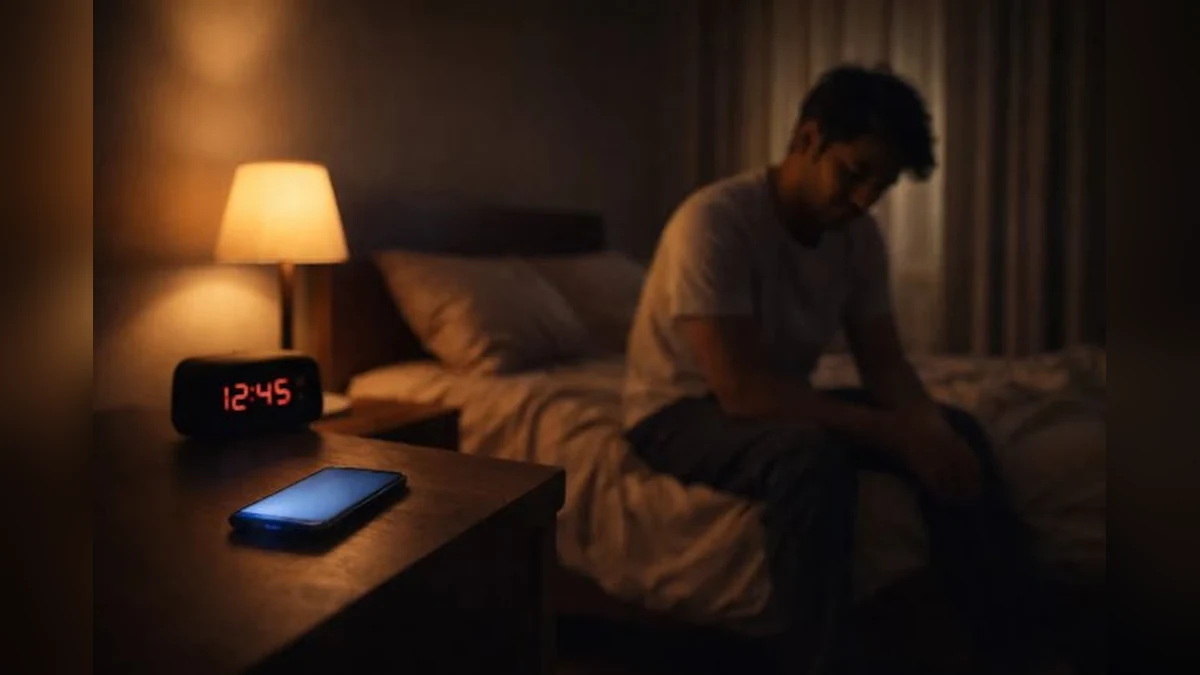
In today’s digital age, smartphones have become an indispensable part of our lives. From the moment we wake up to the time we go to sleep, we are constantly connected. But have you ever considered the extent to which this constant connectivity is affecting your sleep quality? Many people today feel they aren’t getting enough deep, restful sleep. Waking up feeling tired, sluggish, and with a heavy head is common. Surprisingly, in most cases, the cause isn’t a serious illness, but rather excessive and haphazard mobile phone use at night. Smartphone addiction gradually disrupts our sleep patterns, often without us even realizing it. This article will highlight the direct and profound relationship between phone addiction and poor sleep, and suggest effective solutions to overcome it.
It’s Not Just ‘One More Scroll’: The Dopamine Game
Smartphones are more than just devices; they are platforms that constantly activate our brain’s ‘reward system.’ Notifications, reels, messages, and social media updates all release dopamine, a hormone that gives us a sense of pleasure and satisfaction. This feeling motivates us to use our phones repeatedly, leading to addiction. When we use our phones before sleeping at night, the brain continuously receives this dopamine reward. This prevents the brain from entering a relaxed state. For sleep to occur, the brain needs to be calm and slow, but phone scrolling does the opposite, making it faster. Endless scrolling on social media, playing games, or watching videos overactivates the brain, making it difficult to fall asleep.
The Invisible Attack of Blue Light: Melatonin and Your Sleep
The blue light emitted from mobile screens suppresses the production of melatonin, a hormone that signals the brain that it’s time to sleep and prepares the body for rest. When we look at our phones just before sleeping, the brain receives the false signal that it’s still daytime and needs to stay awake. This disrupts our ‘circadian rhythm,’ or the body’s natural sleep-wake cycle, pushing sleep further away.
For a closer look at how screen light affects melatonin, circadian rhythm, and eye comfort, read our guide to blue light and its impact on sleep and eyes.
Mental Stimulation and the ‘Fear of Missing Out’ (FOMO)
Constant notifications, emails, and social media updates keep us mentally stimulated. The ‘Fear of Missing Out’ (FOMO) compels us to check our phones even at night. This anxiety and stress prevent the mind from calming down, negatively impacting sleep quality. The continuous mental engagement makes it hard to transition into a relaxed state conducive to sleep.
Physical Effects: Eye Strain and Restlessness
Using phones late into the night not only stresses the mind but also the body. Constant strain on the eyes, pain in the neck and shoulders, and general restlessness can interfere with falling asleep. These physical discomforts prevent the body from fully relaxing.
Common Signs of Disrupted Sleep Due to Smartphone Addiction and Their Long-Term Consequences
Several common signs indicate sleep disruption from smartphone addiction, which are important to recognize:
- Taking hours to fall asleep after lying down in bed, or falling asleep very late.
- Waking up multiple times during the night or not experiencing deep sleep.
- Waking up in the morning feeling tired and heavy, rather than refreshed.
- Daytime irritability, lack of concentration, and mood swings.
- Difficulty focusing on even small tasks and reduced productivity.
- An urge to do ‘one last scroll’ or check notifications even while trying to sleep.
- Feeling restless without a smartphone or immediately reaching for the phone when unable to sleep.
Long-term sleep deprivation or poor sleep quality can have serious negative effects on our physical and mental health:
- Mental Health: Insomnia and poor sleep can increase the risk of depression, anxiety, and stress.
- Physical Health: It can increase the risk of obesity, diabetes, high blood pressure, and heart diseases. Our immunity can also weaken.
- Cognitive Function: Memory may weaken, decision-making abilities can be affected, learning capacity may decrease, and creativity might be lacking.
- Quality of Life: Overall quality of life diminishes, leading to relationship stress and job dissatisfaction.
Effective Solutions for Breaking Smartphone Addiction and Improving Sleep
Good sleep is crucial for our health. By controlling smartphone addiction, we can improve our sleep quality. Here are some effective solutions:
Establish Digital Detox Rules
- Set Time Limits: Decide on a specific time for using your phone during the day.
- Create ‘No-Phone Zones’: Declare the bedroom a ‘no-phone zone.’ Keep your phone out of the bedroom at least 1-2 hours before sleep.
- Turn Off Notifications: Switch off unnecessary notifications at night or put your phone on ‘Do Not Disturb’ mode.
Adopt a Bedtime Routine
- Relaxing Activities: Before sleep, read a book, listen to calming music, take a warm bath, or meditate.
- Use Blue Light Filters: If using the phone at night is unavoidable, use a blue light filter or dark mode.
Practice Mindfulness and Relaxation Techniques
- Deep Breathing Exercises: Practice deep breathing exercises for a few minutes before sleep.
- Meditation and Yoga: These techniques help calm the mind and reduce stress.
Maintain a Consistent Sleep Schedule
Go to bed and wake up at the same time every night and morning, even on weekends. This helps regulate your body’s circadian rhythm.
Engage in Alternative and Creative Activities
In your free time, instead of using your phone, engage in creative or recreational activities like painting, gardening, spending time with family, or meeting friends.
Conclusion
Smartphones are a part of our lives, but their haphazard use can severely impact our sleep and health. It’s important to understand that good sleep is not a luxury but a necessity. By making small changes in our digital habits, we can improve our sleep quality and live a healthier, happier life. Prioritize your sleep, as it is the foundation of your overall well-being.
FAQs
What is the main reason smartphone use affects sleep?
The primary reasons are the blue light emitted from screens, which suppresses melatonin production, and the constant mental stimulation and dopamine release from notifications and content, which keeps the brain alert and prevents relaxation needed for sleep.
How can I stop using my phone before bed?
Establish a strict ‘no-phone zone’ in your bedroom at least an hour before sleep. Replace phone time with relaxing activities like reading a physical book, listening to calm music, or gentle stretching. Turn off notifications and place your phone in another room to charge.
Is it okay to use a blue light filter on my phone at night?
Using a blue light filter or dark mode can help reduce the impact of blue light on melatonin production. However, it’s still best to avoid screen time altogether in the hour or two before bed, as the mental stimulation itself can interfere with sleep.
What are the long-term health risks of poor sleep due to phone addiction?
Long-term risks include increased chances of mental health issues like depression and anxiety, physical health problems such as obesity, diabetes, high blood pressure, and heart disease, weakened immunity, and impaired cognitive functions like memory and concentration.
How can I improve my sleep if I’m addicted to my phone?
Start by setting clear boundaries for phone use, especially before bed. Create a relaxing bedtime routine, ensure your bedroom is a screen-free zone, and engage in offline activities to wind down. Consistency in your sleep schedule is also key.



























Share Your Opinion
Comments are closed on this post.