Sugar vs. Diabetes: Clearing the Confusion
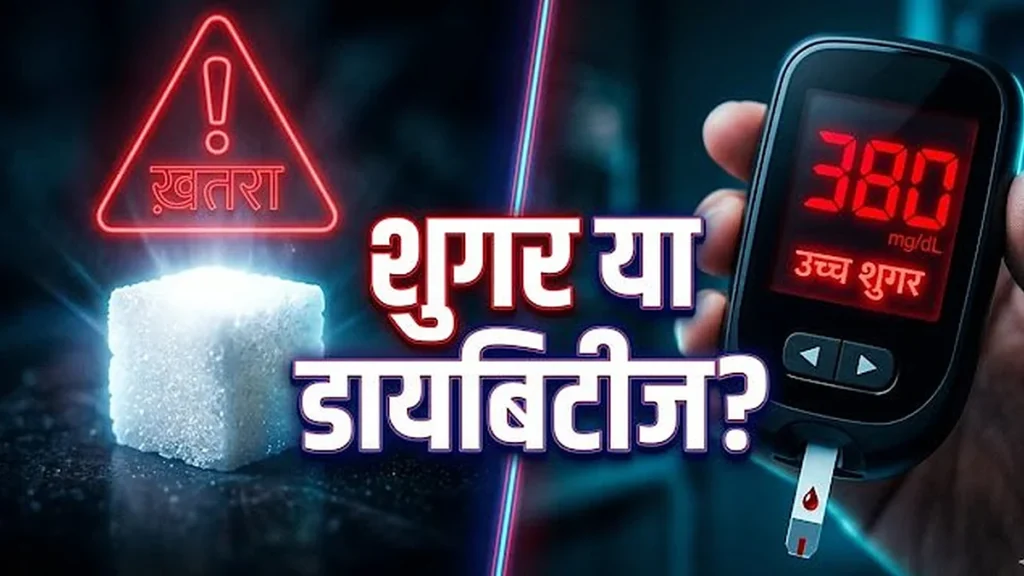
Many of us have heard people say, “I have sugar,” when referring to a health condition. This common phrase often leads to a significant misunderstanding: the belief that ‘sugar’ and ‘diabetes’ are the same thing. However, this is a widespread misconception. Understanding the actual difference is crucial for timely and accurate health management.
The Real Role of Sugar in Your Body

In simple terms, ‘sugar’ in our body refers to glucose. When we eat food, it’s broken down into glucose, which acts as the primary fuel source for our cells, providing the energy needed for daily activities. Without glucose, our bodies cannot function. It’s not a disease in itself but a vital component for life.
What Exactly is Diabetes?
Diabetes Mellitus is the actual medical condition. It arises when the pancreas, an organ located behind the stomach, doesn’t produce enough insulin or when the body cannot effectively use the insulin it produces. Insulin is like a key that unlocks cells, allowing glucose from the bloodstream to enter and provide energy. When this process is disrupted, glucose builds up in the blood, leading to elevated blood sugar levels.
Recognising the Warning Signs
Your body often signals when something is wrong. Common symptoms that might indicate high blood sugar levels include:
- Frequent urination, especially at night.
- Excessive thirst.
- Unexplained fatigue.
Ignoring these signs can lead to more serious health complications.
Understanding Pre-Diabetes
Pre-diabetes is a stage where blood sugar levels are higher than normal but not yet high enough to be diagnosed as type 2 diabetes. It’s a critical warning sign that the body is on the path to developing diabetes. Lifestyle changes, including diet and exercise, can often reverse pre-diabetes and prevent the onset of full-blown diabetes.
Types of Diabetes
There are primarily two main types of diabetes:
- Type 1 Diabetes: This is an autoimmune condition where the body’s immune system mistakenly attacks and destroys the insulin-producing cells in the pancreas. It often develops in childhood or early adulthood and requires lifelong insulin therapy.
- Type 2 Diabetes: This is the most common form, accounting for about 90-95% of cases. It occurs when the body becomes resistant to insulin or doesn’t produce enough of it. Factors like obesity, lack of physical activity, and an unhealthy diet contribute significantly to its development.
Beyond Sweet Foods: What Causes Diabetes?
The notion that only eating sweets causes diabetes is a myth. Foods like refined flour (maida), white rice, and potatoes are also converted into glucose in the body. Furthermore, chronic stress and inadequate sleep can increase stress hormones like cortisol, which interfere with insulin function. Therefore, a balanced diet and stress management are as important as avoiding sugary foods.
Managing Blood Sugar Naturally
Managing diabetes effectively often involves lifestyle modifications:
- Dietary Changes: Reduce intake of refined carbohydrates (white sugar, maida, white rice) and increase fibre-rich foods like whole grains, leafy vegetables, and raw salads.
- Regular Exercise: Aim for 30-45 minutes of moderate-intensity exercise daily to improve insulin sensitivity.
- Adequate Sleep: Ensure 7-8 hours of quality sleep per night to help balance hormones and reduce stress.
- Hydration: Drink plenty of water to keep blood from becoming too thick and aid the kidneys in flushing out excess sugar.
A simple yet effective tip is to take a short walk for 10-15 minutes after meals. This can significantly help in managing post-meal blood sugar spikes.
Frequently Asked Questions (FAQs)
Can thin people get diabetes?
Yes. While obesity is a common risk factor, thin individuals can also develop type 2 diabetes, especially if they have ‘skinny fat’ (fat accumulation around organs) or experience high levels of chronic stress.
If my parents have diabetes, will I definitely get it?
Genetics plays a role, but it’s not a guarantee. A family history of diabetes means you should be more vigilant about maintaining a healthy lifestyle to reduce your risk.
Can diabetes be cured permanently?
Type 2 diabetes, particularly in its early stages, can often be reversed through significant lifestyle changes, including diet and exercise. This means achieving normal blood sugar levels without medication, but it requires sustained healthy habits.
Conclusion
Distinguishing between ‘sugar’ (glucose) and ‘diabetes’ is fundamental to understanding and managing your health. While sugar is essential fuel, diabetes is a complex condition requiring attention to diet, exercise, and overall lifestyle. By making informed choices and adopting healthy habits, you can effectively manage your blood sugar levels and reduce the risk of developing diabetes.