
India’s rich biodiversity includes numerous plants with beauty and medicinal value that often go unnoticed. Among these is Singhpushp, known in English as Lion’s Ear or Klip Dagga, and scientifically as Leonotis Nepetifolia. This plant is distinguished by its attractive orange flowers and significant medicinal importance. This guide delves into the details of this remarkable plant.
Understanding Leonotis Nepetifolia
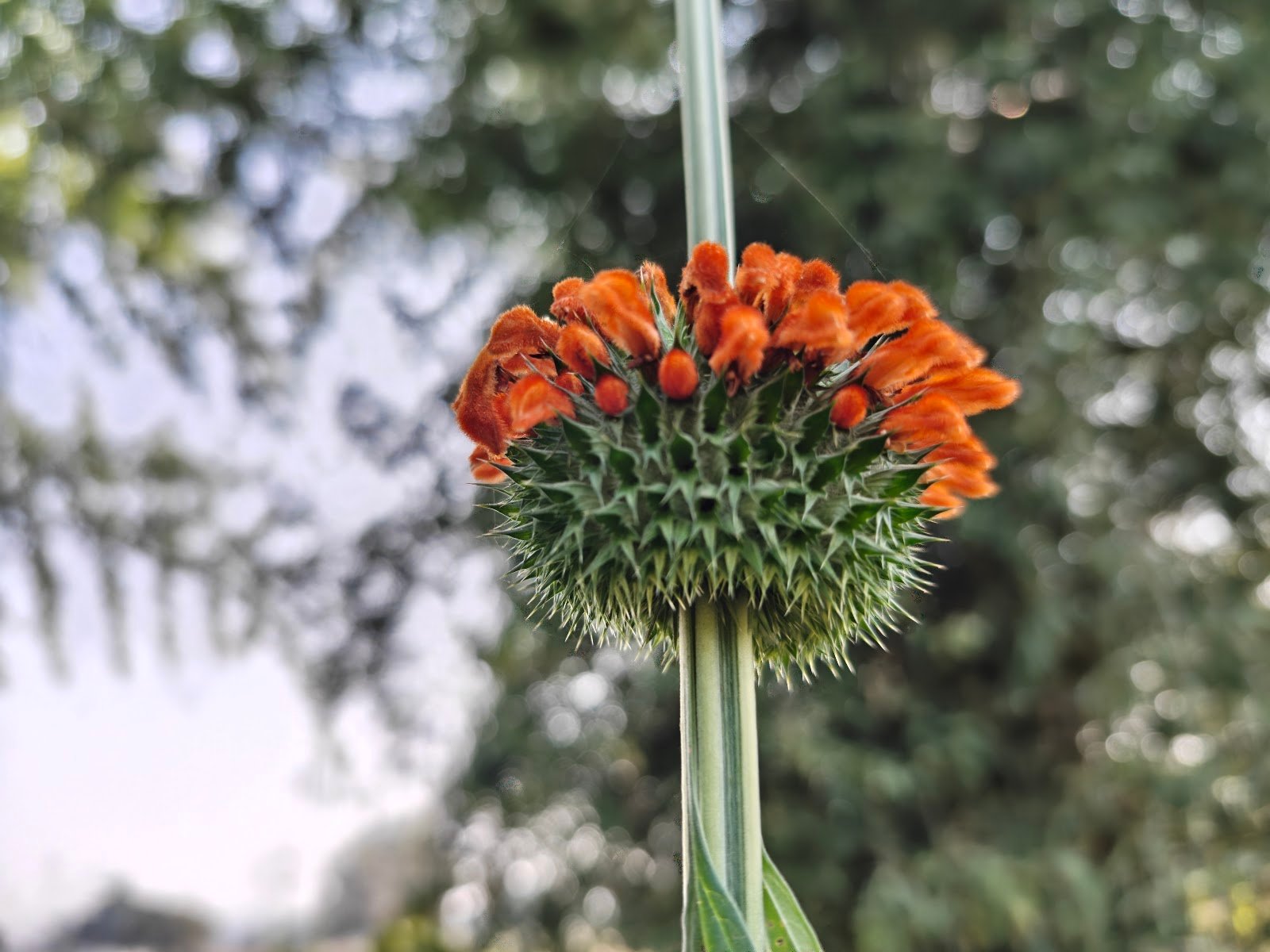
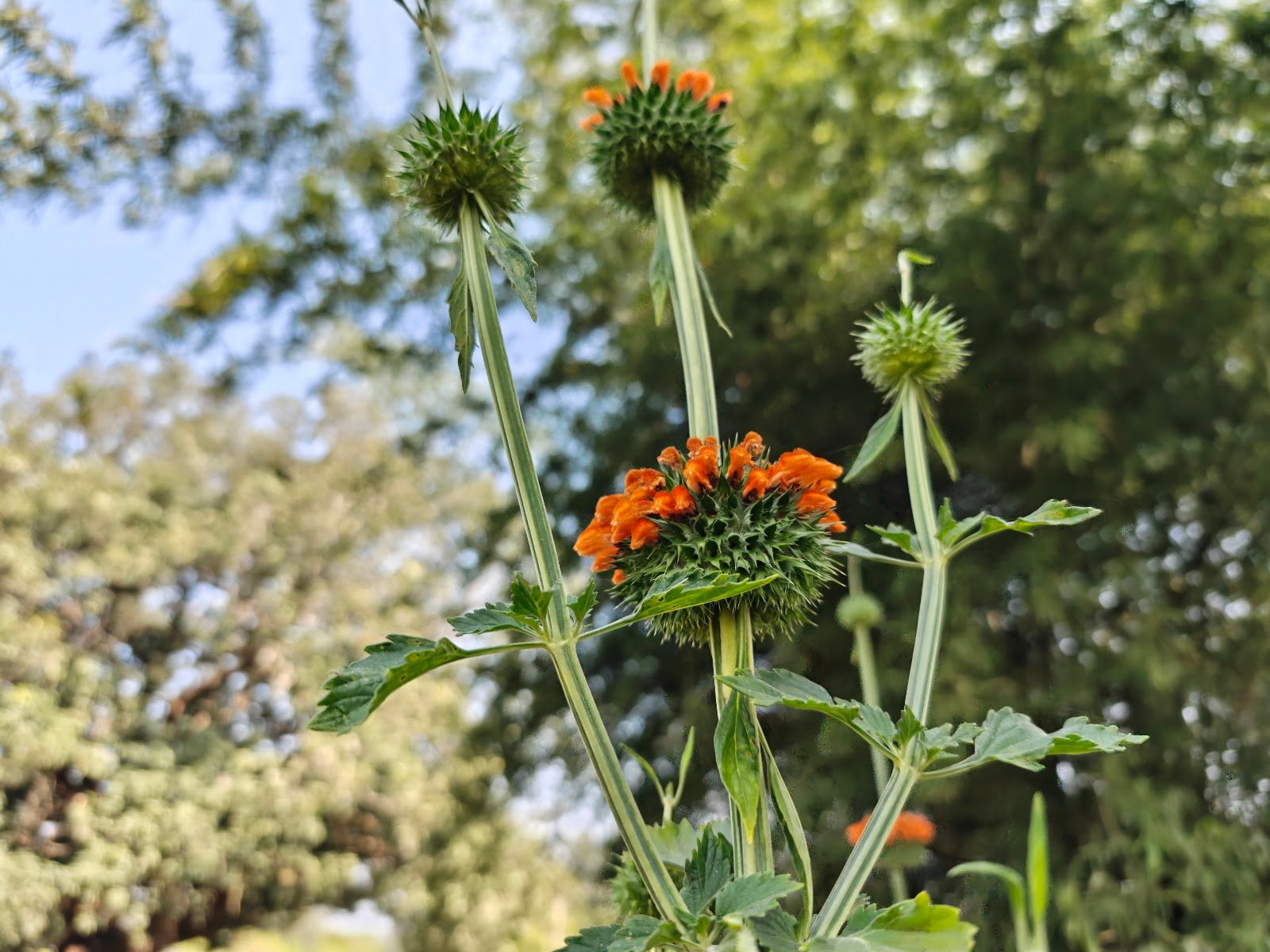
Singhpushp belongs to the Lamiaceae family, which also includes well-known plants like basil and mint. It is a tall, upright, annual herbaceous plant often found growing in open fields, roadsides, and wastelands. Its most striking feature is its bright orange or red-orange flowers, which grow in rounded whorls along the stem, drawing attention from afar. The name ‘Lion’s Ear’ comes from the unique structure of its flowers, which somewhat resemble a lion’s ear.
How to Identify Singhpushp
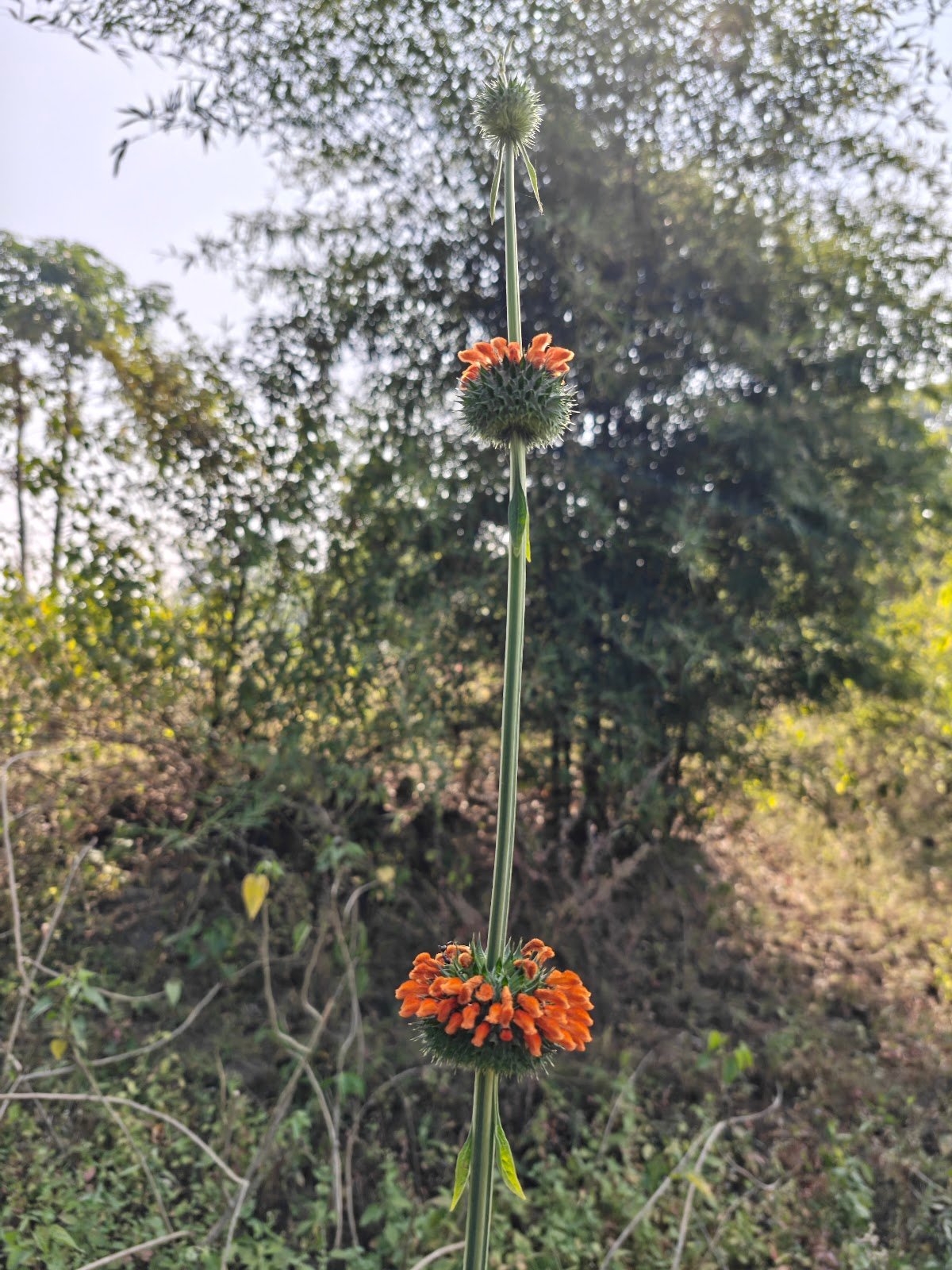
Identifying this plant is relatively easy, primarily due to its distinctive flowers. Key characteristics include:
Height and Stem:
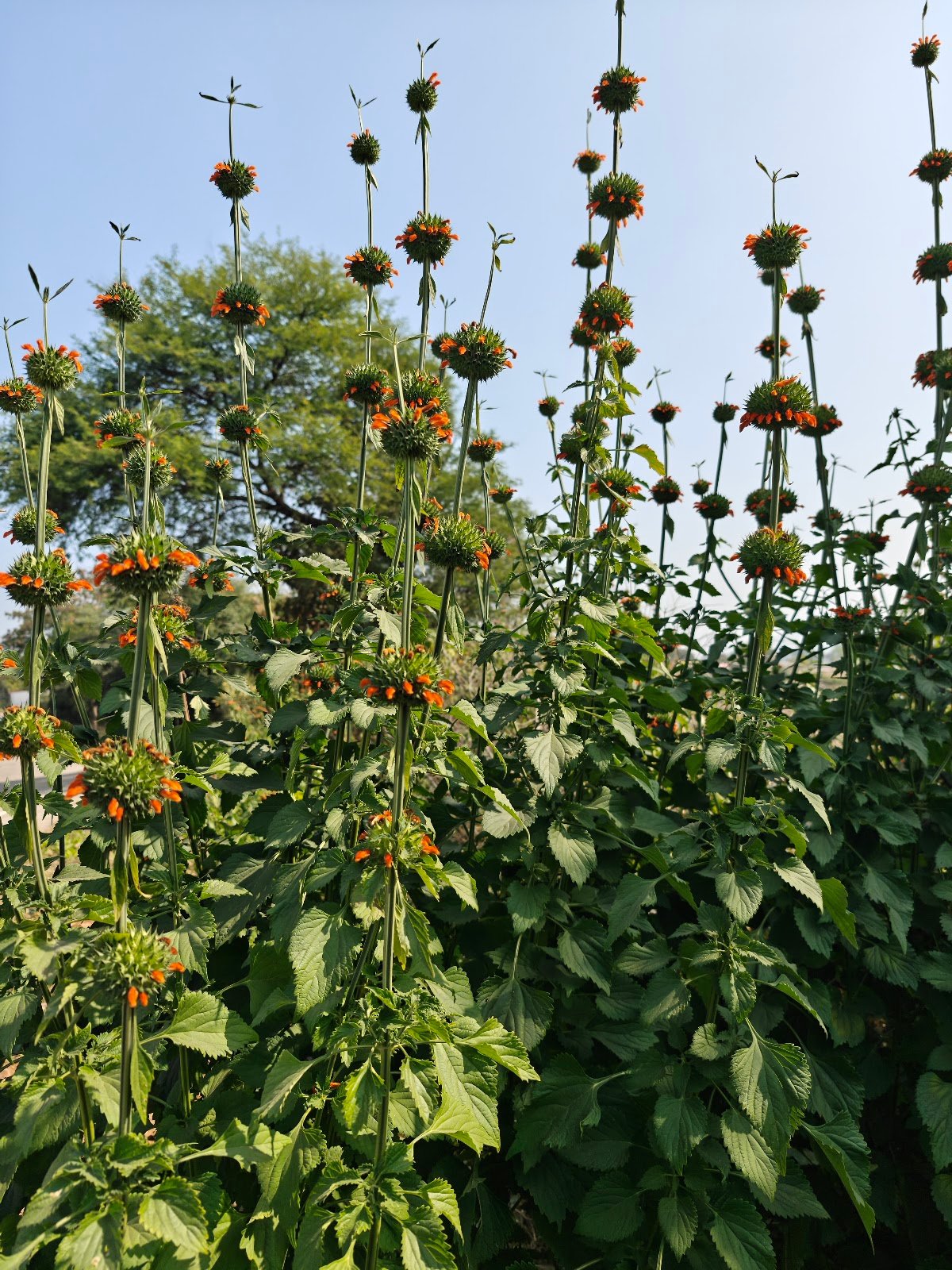
The plant can grow 1 to 3 meters (3 to 10 feet) tall, with sturdy, square, and hairy stems. The stem grows straight upwards and is often branched.
Leaves:
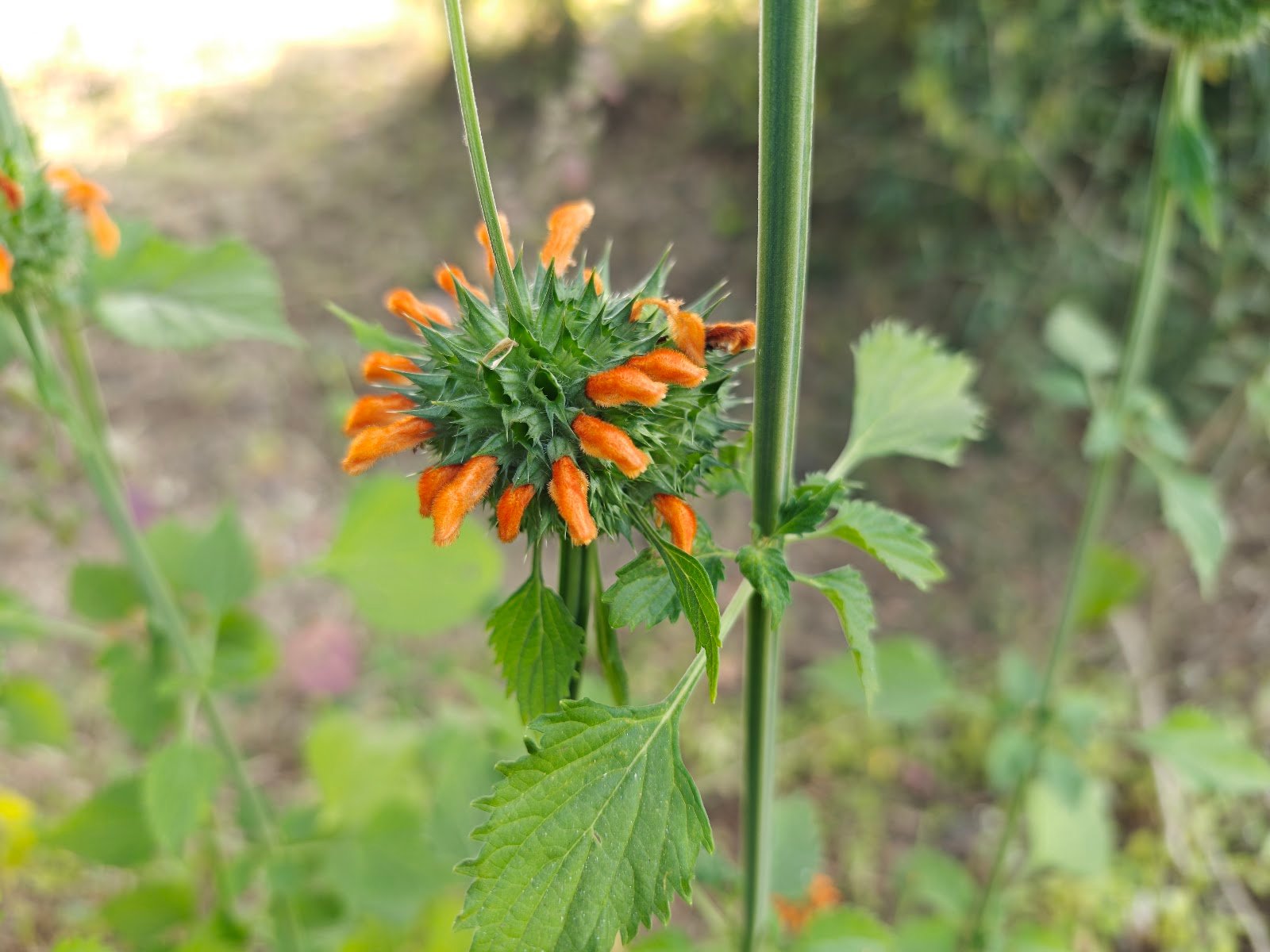
Its leaves resemble basil leaves, being oval or lance-shaped. They have serrated edges and are arranged oppositely on the stem. The leaves have a mild, aromatic scent.
Flowers:
Singhpushp’s flowers are its most defining feature. They are bright orange or red-orange and tubular, growing in rounded whorls or clusters along the stem. These whorls are spaced apart, giving the plant a tiered appearance. The flowers typically bloom from the post-monsoon season through winter.
Habitat:
This plant is predominantly found in tropical and subtropical regions. In India, it is commonly seen in open fields, field margins, fallow land, and along roadsides. It is often considered a ‘wild’ plant as it grows without specific cultivation.
Historical and Traditional Uses of Singhpushp
Leonotis Nepetifolia has been used for centuries in various traditional medicine systems, particularly in Africa. Known as ‘Klip Dagga’ or ‘Wild Dagga’ there, local tribes have used it to treat numerous ailments.
African Traditional Medicine:
In South Africa, it has been used to treat conditions such as fever, cough, colds, headaches, snake bites, menstrual pain, and stomach cramps. Its leaves and flowers are used to make tea or applied as a poultice to wounds.
In India:
While not a primary plant in Indian Ayurveda, it has been traditionally used by local communities and tribes for certain medicinal purposes. Modern researchers are also showing interest in its potential benefits.
Potential Medicinal Properties and Health Benefits
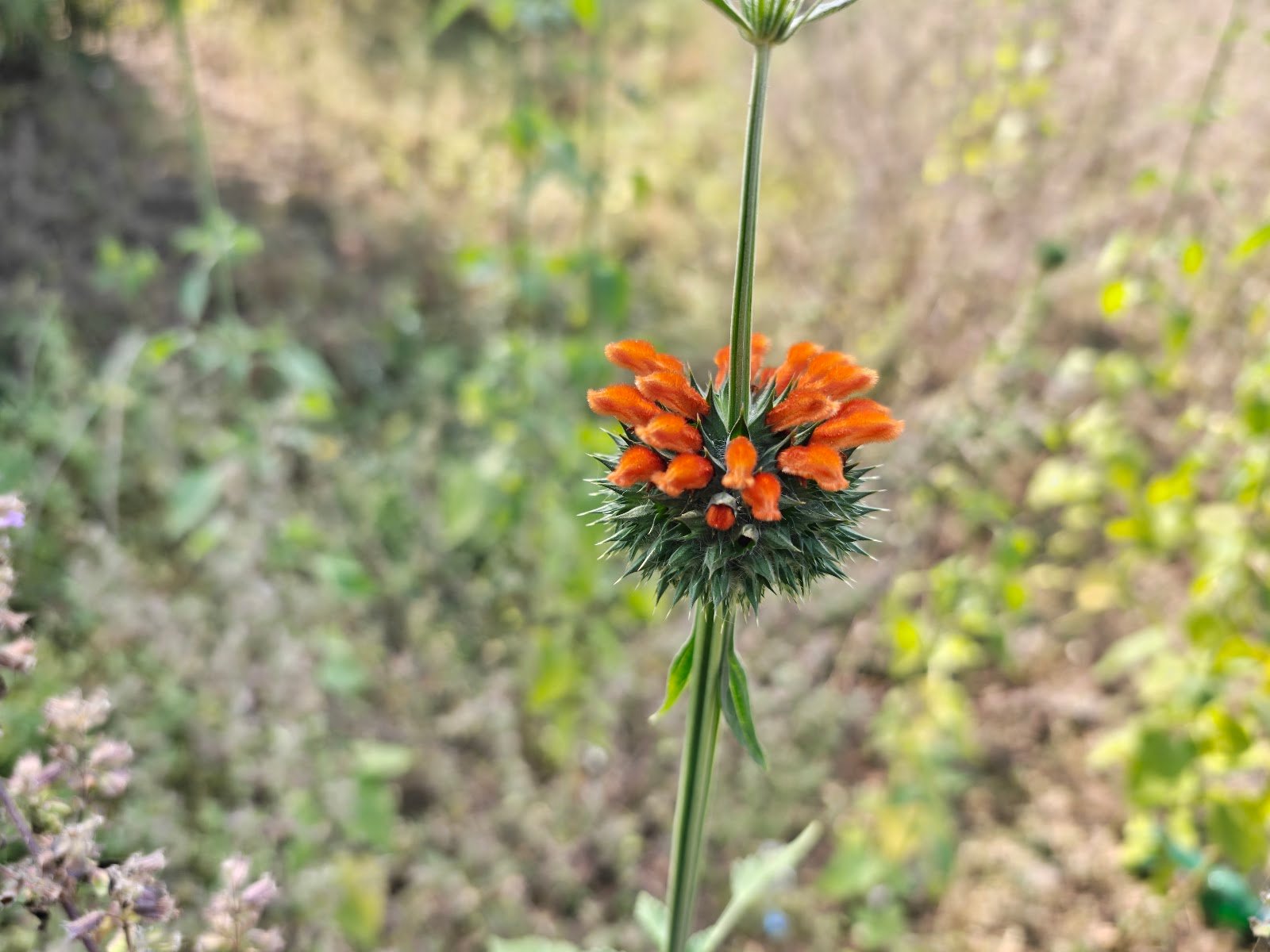
Singhpushp contains several bioactive compounds, including leonurine, leonotin, marrubiin, and various flavonoids, which are believed to be responsible for its medicinal properties.
**Important Note:** The information provided here is for educational purposes only and should not be considered medical advice for diagnosing, treating, or preventing any disease. Always consult a qualified healthcare professional before using any herbal remedy.
Anti-inflammatory:
Traditionally used to reduce inflammation and pain. Research suggests it may contain compounds that help regulate the body’s inflammatory response.
Analgesic:
Some of its components may help alleviate pain, which is why it has been used for headaches, muscle aches, and menstrual cramps.
Antispasmodic:
It may help reduce muscle spasms, particularly those related to digestive issues.
Antioxidant:
Possesses antioxidant properties that help protect the body from damage caused by free radicals, thus maintaining cellular and tissue health.
Antimicrobial:
Some studies indicate that Singhpushp may have the ability to combat bacteria and fungi, potentially aiding in infection prevention.
Respiratory Issues:
Traditionally, its leaves and flowers have been used to alleviate symptoms of respiratory problems like coughs, colds, asthma, and bronchitis.
Digestive Health:
It may also be helpful in relieving digestive discomforts such as indigestion and stomach cramps.
Skin Conditions:
A poultice or decoction of its leaves is applied externally for wounds, boils, and other skin infections.
Methods of Use (Traditional)
Traditionally, Singhpushp is used in several ways:
Tea or Decoction:
Dried leaves and flowers are steeped in hot water to make a tea, consumed internally.
Poultice:
Fresh leaves are crushed and applied directly to wounds, swellings, or skin problems.
Smoking:
In some cultures, its dried leaves and flowers are also used as a smoke, though this method is controversial due to potential psychoactive effects and should be approached with caution.
Precautions and Side Effects
As with any herbal remedy, caution should be exercised when using Singhpushp:
* Pregnant and breastfeeding women should avoid its use.
* Do not administer to young children.
* If you are taking other medications, consult a doctor before use, as it may interact with them.
* High doses may cause side effects such as dizziness or nausea.
* Always use after consulting an expert or doctor.
Conclusion
Singhpushp (Leonotis Nepetifolia) is a remarkable plant known for its beauty and medicinal properties, offering potential health benefits. However, knowledge and caution are crucial when using any natural remedy. Further scientific research is needed to fully understand its potential benefits and safe usage methods. The next time you see this orange-flowered plant in an open field or by the roadside, remember its unique identity and significance.
**A Note on Observation:** Nature provides us with many useful resources, often growing around us unnoticed. Singhpushp is one such plant. When you encounter a wild herb, instead of immediately uprooting it, take a moment to observe it. Note its flowers, leaves, and where it’s growing. Research it online. It might be more than just a pretty plant; it could possess special qualities. However, never use any plant as medicine without complete information and expert advice. Recognize and respect nature; that is paramount!














Share Your Opinion
Comments are closed on this post.