The Persistent Search for a Secret Cure
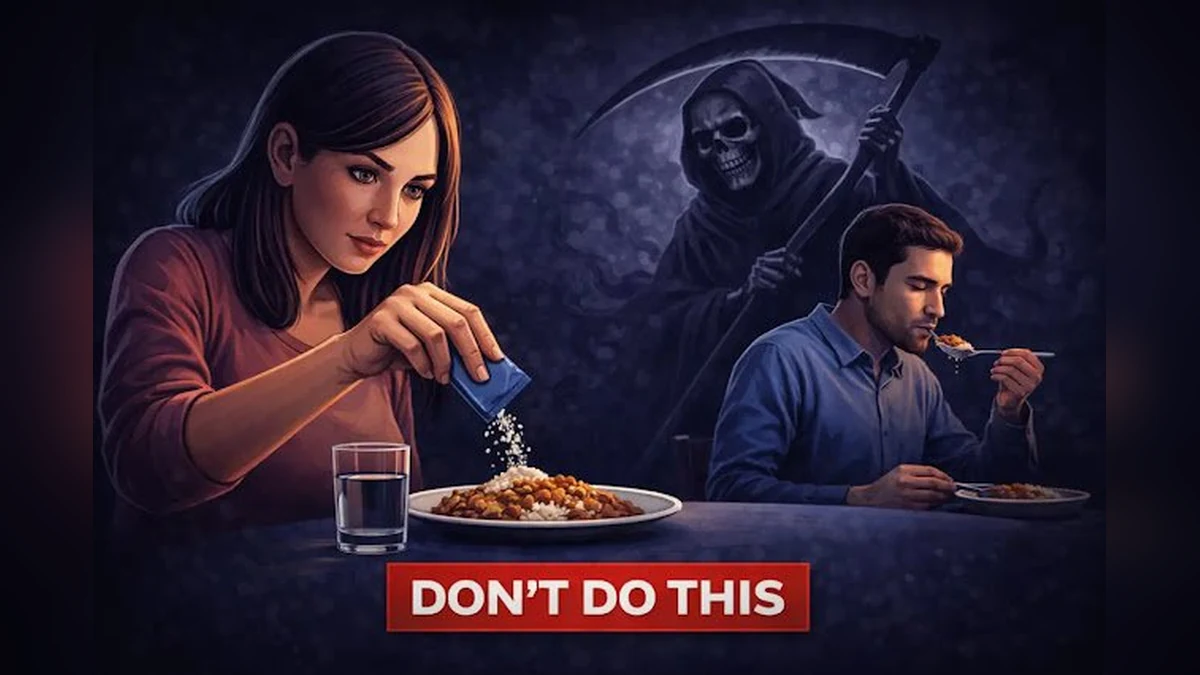
Every month, countless individuals, predominantly women, turn to the internet with a shared, desperate query: “medicine to stop alcoholism,” “powder to mix in food,” or “how to make my husband stop drinking secretly.” These searches stem from deep-seated pain, frustration, and a feeling of helplessness that compels them to seek clandestine solutions. The hope is that a ‘secret potion’ might miraculously fix everything. However, the truth is stark and often painful. Attempting to stop someone’s alcohol consumption without their knowledge is not only ineffective but can also endanger their life and irrevocably damage trust in your relationship.
This article aims to reveal the harsh reality that many ‘miracle cures’ and secret methods fail to address. We will explore why these approaches are doomed to fail and, more importantly, outline the correct, safe, and sustainable path to overcoming alcohol addiction.
Why Do People Seek Secret Solutions for Alcoholism?

It’s crucial to understand that no one resorts to these covert methods without significant underlying reasons:
- Shame and Social Stigma: Society often labels alcoholism as a moral failing or a character flaw rather than a disease. This stigma compels individuals to hide the problem.
- Fear of Confrontation: Direct conversations with the spouse or other family members can be daunting, with fears of escalating conflict, arguments, or worsening the situation.
- Protecting Family Reputation: There’s often a concern that public knowledge of the addiction could bring shame upon the family.
- A Glimmer of Hope: The belief that a discreetly administered ‘medicine’ might solve the problem without direct confrontation.
- Lack of Information: Misunderstanding that alcoholism is a serious medical condition requiring professional intervention.
These factors can trap individuals into seeking unreliable and potentially dangerous solutions.
Is It Possible to Secretly Stop Alcoholism?
The blunt answer is: No, it is not possible. There are fundamental scientific and human reasons for this:
Alcoholism is a Disease, Not a Bad Habit
It’s vital to recognize that alcoholism is not merely a lack of willpower or a bad habit; it is a complex ‘brain disease.’ Prolonged alcohol consumption alters the brain’s dopamine system, which regulates pleasure and reward. The brain begins to perceive alcohol as a survival necessity, akin to food or water. Trying to force cessation through secret means is like trying to cure hunger by secretly making someone vomit their food – the underlying need remains, and they will seek sustenance again.
The Importance of Willpower and Acceptance
The most critical prerequisite for overcoming alcoholism is the individual’s own acceptance of the problem and their genuine desire to quit. Without this internal decision and readiness for change, no secret medication, external pressure, or covert method can achieve lasting results. Any temporary abstinence achieved through such means will likely be followed by relapse because the root cause has not been addressed.
The Life-Threatening Dangers of Secret ‘Cures’

Administering any ‘secret medicine’ or powder in someone’s food or drink without their knowledge is extremely dangerous and potentially fatal. The consequences can be severe:
- Unpredictable Reactions: Mixing unknown substances with alcohol can trigger severe and unexpected physiological reactions, potentially leading to heart attack, stroke, or permanent organ damage.
- Liver and Kidney Failure: Many undisclosed concoctions contain ingredients that directly harm the liver and kidneys, leading to organ failure.
- Poisoning: Some mixtures can act as poisons in the body, causing coma or even death.
- Legal Ramifications: Administering substances to someone without their consent is a legal offense. If an adverse event occurs, you could face serious legal consequences.
- Complete Trust Erosion: If the individual discovers your actions, it can permanently destroy trust in the relationship, leading to further deterioration.
The Truth About ‘Secret’ Alcoholism Cures
The market is rife with products claiming to be ‘secret medicines’ or ‘miracle powders’ for alcoholism. Most are either ineffective or dangerously potent:
- Ayurvedic/Herbal Claims: While natural, some herbal ingredients can interact harmfully with alcohol, especially if their dosage and purity are not guaranteed.
- Chemical Mixtures: Some powders might contain substances like Disulfiram. This medication is designed to cause severe discomfort when alcohol is consumed, but it must be administered under strict medical supervision and with the patient’s informed consent. Without these safeguards, it can be lethal.
- Financial Exploitation: Many ‘secret cures’ are simply a means for unscrupulous sellers to profit, lacking any scientific basis.
The Correct and Effective Path to Recovery
Helping someone overcome alcohol addiction requires patience, understanding, and professional support. Here’s the recommended approach:
1. Open Communication and Acceptance
- Choose the Right Time: Speak when the person is sober and calm, avoiding discussions during intoxication.
- Express Love and Concern: Instead of accusations, share your feelings and worries. Explain how their drinking affects you, children, and the family.
- Discuss Consequences: Gently point out the negative impacts on their health, finances, relationships, and work.
- Set Boundaries: Clearly define what behavior is unacceptable (e.g., arriving home drunk, verbal abuse).
2. Seek Professional Help
This is the most critical step. Alcoholism is a complex disease best managed by experts:
- Consult a Doctor: Start with a general physician who can refer you to specialists.
- De-addiction Centers: These specialized facilities offer medical detoxification under supervision, followed by therapy and counseling.
- Psychiatrists and Counselors: These professionals help address the underlying psychological and emotional factors contributing to addiction and teach coping mechanisms.
- Support Groups: Organizations like Alcoholics Anonymous (AA) for the individual and Al-Anon for family members provide a safe space for sharing and learning from others’ experiences.
3. Family Support and Self-Care
- Be Supportive, Not Enabling: Offer support but stop making excuses or shielding them from the consequences of their actions.
- Patience and Persistence: Recovery is a long journey with ups and downs. Be patient and consistent in your efforts.
- Prioritize Your Well-being: The process can take a toll on your mental and physical health. Ensure you practice self-care and seek support for yourself.
You are not alone in this struggle. Millions of families face similar challenges. It’s not your fault, and you don’t have to fight this battle alone. With the right information and professional help, you can guide your loved one towards recovery and a healthier future. The truth about secretly stopping alcoholism is that it’s a dangerous illusion. True solutions lie in courage, honesty, and professional guidance. Choose the right path for your family’s well-being.





















Share Your Opinion
Comments are closed on this post.