What are Roman Numbers?
Roman numerals are a numeral system that originated in ancient Rome. Instead of using digits like 0-9, Roman numerals use letters from the Latin alphabet to represent numbers. This system is still used today in various contexts, such as on clock faces, in chapter headings, and for numbering lists in formal documents.
Understanding Roman numerals can be a fun and educational experience for children. The system is based on a few key symbols, each representing a specific value:
- I = 1
- V = 5
- X = 10
- L = 50
- C = 100
- D = 500
- M = 1000
By combining these symbols, you can form any number. The key to learning Roman numerals lies in understanding a few basic rules.
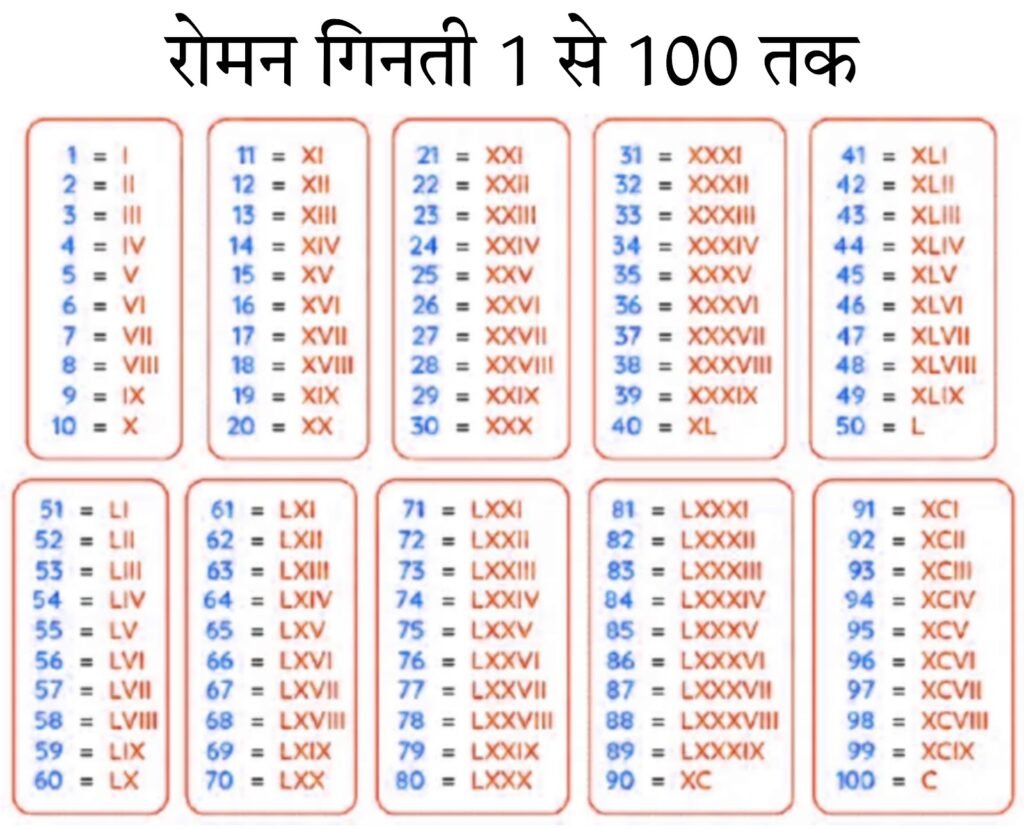
How to Download the Roman Numbers 1 to 100 Chart

Accessing a high-quality chart is essential for effective learning. The provided HD image of the Roman Numbers 1 to 100 chart is designed for clarity and ease of use. You can easily download and save it to your device for printing or digital reference.
For Mobile Users:
- Tap and hold on the Roman Numbers 1 to 100 chart image for about 2 seconds.
- A menu will appear; select ‘Download Image’ or ‘Save Image’.
For Computer/Laptop Users:
- Right-click on the image.
- Select ‘Save Image As…’ and choose a location on your computer to save the file.
Once downloaded, you can print the chart in various sizes, such as A4 or A3, to display in a child’s study area or use for school projects.
Simple Rules for Learning Roman Numerals
Many children find Roman numerals intimidating at first, but with a few simple rules, they can become easy to understand and even enjoyable to learn. Here are the fundamental principles:
1. The Repetition Rule
A Roman numeral symbol can be repeated up to three times in a row to add its value. For example:
- I = 1, II = 2, III = 3
- X = 10, XX = 20, XXX = 30
- C = 100, CC = 200, CCC = 300
However, a symbol cannot be repeated more than three times consecutively. For instance, you cannot write 4 as IIII; instead, you use subtraction (see below).
2. The Subtraction Rule
When a smaller Roman numeral symbol is placed before a larger one, you subtract the smaller value from the larger one. This rule applies only to specific pairs:
- IV = 5 – 1 = 4 (Instead of IIII)
- IX = 10 – 1 = 9 (Instead of VIIII)
- XL = 50 – 10 = 40 (Instead of XXXX)
- XC = 100 – 10 = 90 (Instead of LXXXX)
- CD = 500 – 100 = 400
- CM = 1000 – 100 = 900
Only I, X, and C can be used as subtractive symbols, and they can only precede the next two higher value symbols (e.g., I can precede V and X; X can precede L and C; C can precede D and M).
3. The Addition Rule
When a Roman numeral symbol is placed after a symbol of equal or greater value, you add their values together. This is the most common rule:
- VI = 5 + 1 = 6
- XI = 10 + 1 = 11
- LX = 50 + 10 = 60
- MC = 1000 + 100 = 1100
- XV = 10 + 5 = 15
- XXI = 10 + 10 + 1 = 21
By mastering these three rules, children can confidently construct and interpret Roman numerals from 1 to 100 and beyond.
Using the Chart for School Projects and Homework
The Roman Numbers 1 to 100 chart is an invaluable tool for students working on assignments related to Roman numerals. Here are some ways to effectively use the chart:
- Project Files: Print the chart in color and include it directly in math project files for a visually appealing and informative addition.
- Flashcards: Create custom flashcards by writing a standard number on one side and its Roman numeral equivalent on the other. Use the chart as a reference while making them and then for practice quizzes.
- Study Area Decoration: Print the chart in a larger format (A4 or A3) and display it prominently in a child’s study room or bedroom. Consistent visual exposure helps in memorization.
Visual learning aids like charts significantly enhance a child’s ability to grasp new concepts quickly and retain information long-term. Research suggests that visual information is processed much faster than text alone, making charts a powerful educational resource.
Strengthening Foundational Learning
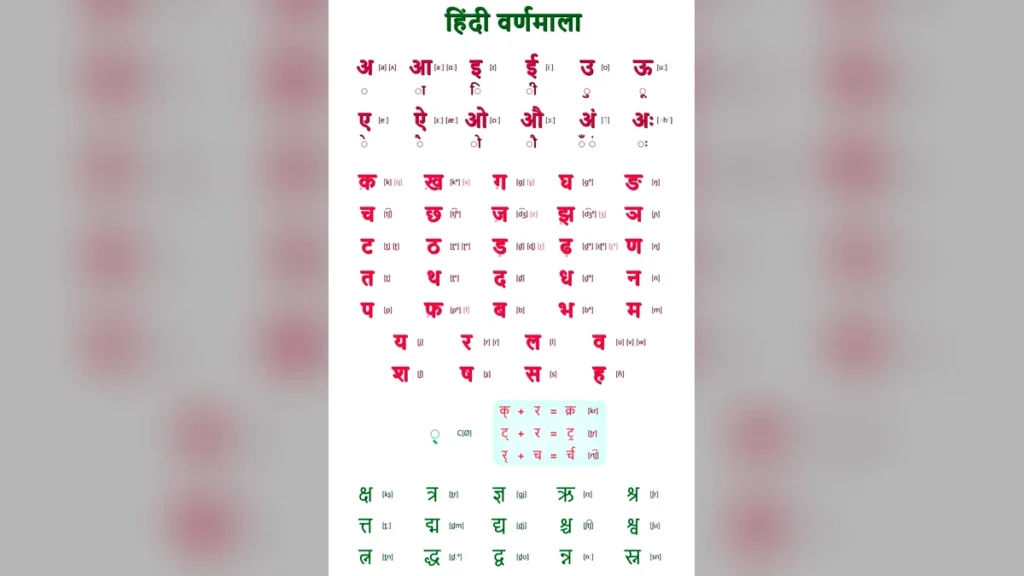
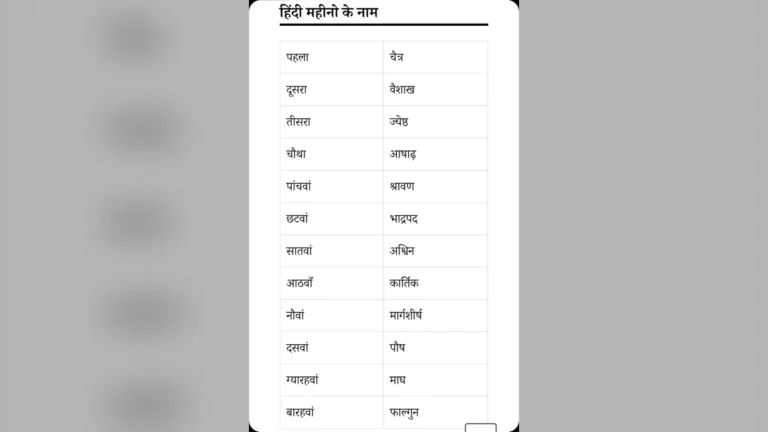
While Roman numerals are a specific topic, they are part of a broader educational foundation. Encouraging children to learn various numeral systems and languages, such as basic English and Hindi alphabets, contributes to their overall cognitive development. A strong foundation in these areas boosts confidence and academic performance.
Using colorful and engaging visual charts for different subjects, from math and science to languages, can transform learning from a chore into an enjoyable activity. This approach helps children absorb information subconsciously, building a robust base for future studies.
Tips for Preserving and Using the Chart
To ensure the longevity and usability of your printed Roman numeral chart, consider these practical tips:
- Print on Quality Paper: Opt for glossy or thicker paper for printing to make the chart more durable.
- Laminate: Laminating the printed chart will protect it from wear and tear, spills, and dirt, allowing it to last for years.
- Display at Eye Level: Mount the chart on a wall at the child’s eye level so they can easily see it throughout the day. This passive exposure aids in memorization.
- Interactive Use: A laminated chart can be used with dry-erase markers for practice exercises, allowing children to write and erase numbers repeatedly.
Frequently Asked Questions (FAQs)
Q1. Is the Roman Numbers 1 to 100 Chart available for free download?
Yes, the HD image of the Roman Numbers 1 to 100 chart is completely free to download and use for educational purposes.
Q2. What is the recommended print size for the Roman Numbers 1 to 100 Chart for school projects?
For best clarity and detail, printing the chart in A4 or A3 size is recommended. The high-resolution image will maintain its quality even on larger printouts.
Q3. How can I learn Roman numbers beyond 100?
Once you understand the basic symbols (I, V, X, L, C) and the rules of addition and subtraction, learning numbers beyond 100 becomes straightforward. You’ll also learn new symbols like D (500) and M (1000) and apply the same principles.
Q4. Is this chart useful for competitive exams?
Yes, while primarily aimed at foundational learning, understanding Roman numerals can be beneficial for certain competitive exams that may include basic mathematical questions involving Roman digits.
Learning Roman numerals is an accessible and rewarding skill. This chart and the accompanying rules provide a solid starting point for anyone looking to master this ancient numeral system. Explore more educational resources to further enhance your child’s learning journey.