Start Your Own Tailoring Business: A Step-by-Step Guide
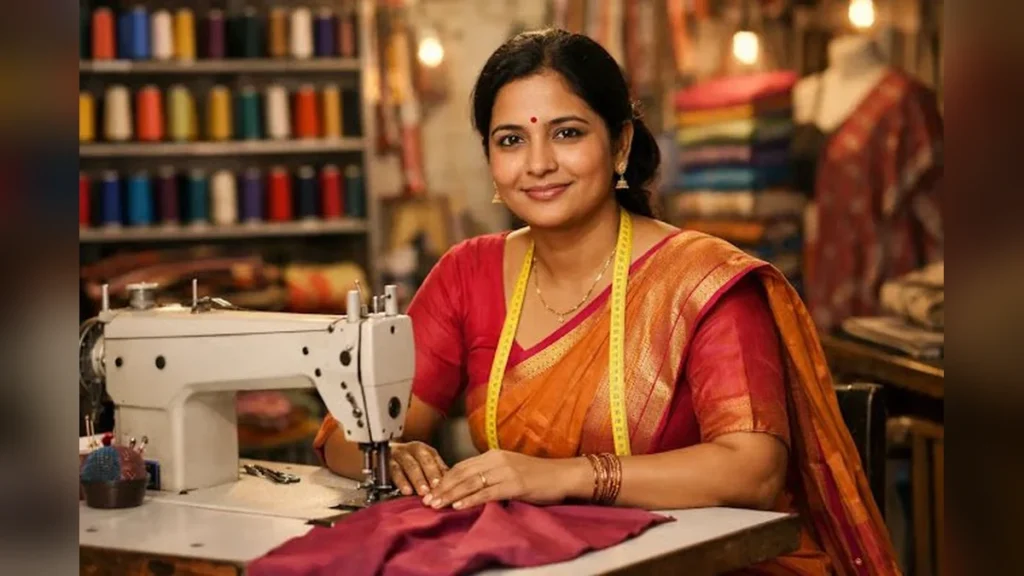
Imagine a peaceful afternoon. After finishing household chores, a woman sits at her sewing machine. Her feet on the pedal, hands on the fabric. The rhythmic ‘clatter-clatter’ begins. This isn’t just the sound of a machine; it’s the sound of freedom, of self-reliance, of building an identity. In many Indian homes, talent abounds, but often lacks direction. Tailoring is one such skill that can provide a stable income, regardless of economic conditions. Fashion never truly fades, and the need for clothing is constant. However, simply buying a sewing machine doesn’t guarantee a successful shop. Many neighborhood tailoring shops open and close within months because they know how to ‘run a shop,’ but not how to build a ‘business.’ This guide will walk you through how to open a tailoring shop (Silai Ki Dukan) in 2026, detailing the necessary equipment, wholesale sourcing, and how to transform it into a recognized brand.
The tailoring business, particularly a ladies’ tailoring boutique, is considered a safe and profitable venture for women in India. Whether you’re a homemaker or a student looking for part-time income, this field is accessible. Today’s customers seek more than just basic stitching; they desire designer fittings and the boutique experience. With a smart approach, social media utilization, and the right resources, you can aim for earnings far beyond ₹20-30,000 per month, potentially reaching lakhs.
Sell Trust, Not Just Stitches
Before opening your doors, internalize this: you are not just sewing clothes; you are crafting confidence. When a woman gets a suit or blouse stitched, she wants to look and feel beautiful. If your fitting makes her feel that way, she becomes a loyal customer. A common mistake is cutting corners from the start – using cheap thread, an old machine, or flimsy lining. This is detrimental. The foundation of a tailoring shop is ‘quality.’ If you’re unsure about a design, practice on scrap fabric before attempting it on a customer’s garment. ‘Learn what you don’t know first’ – this is the primary mantra for this business.
Step-by-Step Guide: How to Start a Tailoring Shop
1. Location Selection
You have two main options:
- Home-Based Start: If your budget is limited, convert a room in your house into a boutique. Ensure there’s adequate space for customers, including a trial room.
- Rented Shop: If you opt for a market location, choose a spot with high foot traffic from women. Consider areas near cosmetic stores, on the way to vegetable markets, or close to saree showrooms.
Pro Tip: For a market shop, you might need a Shop and Establishment Act registration (like ‘Gumasta’ in some regions). Research local requirements.
2. Investment and Budget Breakdown
Investing without a business plan is unwise. The costs vary:
- Rural Areas: ₹1 to ₹2 Lakhs. This covers machines, furniture, and initial raw materials. Lower rents in villages reduce overall costs.
- Urban Areas: ₹3 to ₹4 Lakhs. Cities often involve significant ‘pagdi’ (key money/advance rent) and higher decoration costs. The shop needs a more appealing, ‘fancy’ look to justify premium pricing.
3. Essential Machinery for a Tailoring Shop
Your shop should minimally include these machines:
- Industrial/Umbrella Sewing Machine: Fast and capable of handling heavy fabrics like denim and velvet. (Approx. ₹5,000 – ₹8,000)
- Pico & Interlock Machine: Crucial for finishing saree edges and garment seams. (Approx. ₹4,000 – ₹6,000)
- Electric Iron: A heavy-duty press (750W+). Pressing is as important as stitching, often accounting for 50% of the finishing work.
- Cutting Table: A sturdy wooden table at an ergonomic height to prevent back strain.
4. List of Small Tailoring Accessories
This is your wholesale market shopping list. Note down each item:
- Scissors: High-quality brass scissors (No. 10 and 12). Don’t compromise on quality here.
- Measuring Tapes: At least 4-5 pieces.
- Tailor’s Chalk: In various colors.
- Scales: Straight and curved scales for shaping armholes and patterns.
- Needles: Machine needles (sizes 14, 16, 18) and hand-sewing needles.
- Bobbins and Bobbin Cases: Keep extras.
- Seam Ripper: Invaluable for undoing stitches when mistakes happen.
- Hangers and Mannequins: For displaying finished garments.
5. Raw Materials for Garments
Always invest in good quality raw materials:
- Threads: Purchase large boxes of the most common colors (black, white, red, cream). Opt for reputable brands like ‘Vardhan’ or ‘Moon.’ Inferior threads can damage machines and displease customers.
- Lining Fabric: Cotton and silk linings. Buy in wholesale bolts (‘than’).
- Interfacing/Canvas: For collars, cuffs, and design elements.
- Zippers: For suits, trousers, and bags.
- Hooks and Buttons: In various sizes.
- Lace and Gota Patti: Trendy embellishments.
- Fancy Tassels.
- Elastic: For trousers and palazzos.
Wholesale Market Research: Sourcing Strategy
Where to find affordable supplies? Visit your city’s main wholesale market (‘mandi’). Don’t buy from the first shop; compare prices at 4-5 places. Be direct with shopkeepers: “I’m opening a new shop, please give me wholesale rates. I plan to buy regularly from you.” Initially, stock basic, frequently used items rather than excessive fancy materials. If you’re near Delhi, consider Gandhi Nagar or Chandni Chowk for buttons, lace, and threads, where items are often sold by weight, offering significant profit margins.
Marketing Masterstroke: The “Free Stitching Campaign”
You’ve opened your shop, but customers are hesitant to trust a new tailor with expensive clothes. Employ a clever strategy: offer a limited-time promotion in your neighborhood or among relatives. For example, “We’ll stitch a free lehenga or frock for your child from your old saree (only lining charges apply).” Or, “Free stitching for simple blouses for senior citizens (limited offer).” This works because:
- Children and elderly women wearing these items become walking advertisements.
- Even if a child’s frock isn’t perfect (since it was free and used old fabric), it won’t cause major issues.
- If the stitching is good, the child’s mother is likely to bring her ₹2000 suit to you.
This is a fast way to build trust.
Reality Check: Common Mistakes and Solutions
Passion needs to be balanced with practicality:
- The Debt Trap: “I’ll pay later, Didi” is common in tailoring. Maintain a register and set credit limits. Otherwise, all your earnings might remain uncollected.
- Time is Money: If you promise a suit by Wednesday, have it ready by Tuesday evening. Delivery delays lead to customer loss.
- Leverage Social Media: Learn to showcase your designs on WhatsApp Status, Facebook Reels, and Instagram. Customers increasingly discover designs online and visit shops based on what they see on platforms like Instagram.
💡 Expert Advice: Turn Your Skill into a Brand
Remember, your tailoring shop is also your ‘content studio.’ When you create a beautiful design, film a good video before handing it over to the customer. Start a YouTube channel, Facebook Page, and Instagram account alongside your shop. Teach people how you created the design. While tailoring provides daily income, social media can fulfill your bigger dreams. Your shop might be local, but the internet is global. Start filming your craft and show it to the world!
FAQ (Frequently Asked Questions)
Q1. What is the minimum investment to open a tailoring shop?
If you start from home with an existing machine, you can begin with just ₹10-15,000 for materials like thread, buttons, and lining. Renting a shop might require ₹1-2 Lakhs.
Q2. Where can I buy tailoring supplies wholesale?
Look for a ‘Manihari Mandi’ or ‘Tailoring Material Market’ in your city. For larger scale operations, consider markets like Sadar Bazaar in Delhi or textile markets in Surat.
Q3. What is the profit margin in the tailoring business?
The profit margin is excellent. Costs for thread and electricity are minimal. If you charge ₹400 for a suit, your material and direct costs might be only ₹20-30. The rest is your earnings.
Q4. Do I need a certificate to learn tailoring?
For your own shop, ‘skill’ is more important than a certificate. However, a tailoring certificate can be helpful if you plan to apply for bank loans like the Mudra loan.
Q5. What if I know cutting but not stitching?
You can operate as a ‘master tailor’ or boutique owner. Handle measurements and cutting, and hire a skilled worker on a daily wage or piece-rate basis for stitching. This is the boutique model.
Q6. How should I invest tailoring earnings wisely?
Instead of spending extra income on immediate expenses, save it for the future. If you have a daughter, consider government schemes like the Sukanya Samriddhi Yojana for her financial security.
Opening a tailoring shop can be a decision that leads to financial independence. Initially, you might face challenges like threading a needle, dealing with demanding customers, or occasional fabric mishaps. But don’t be discouraged. Every successful fashion designer once started with a small machine. Leverage your quality, honesty, and the power of social media. Your shop can become a point of pride not just in your locality, but across the city. Keep stitching, keep moving forward!