 Vista
Understanding Ovulation: The Key to Conception
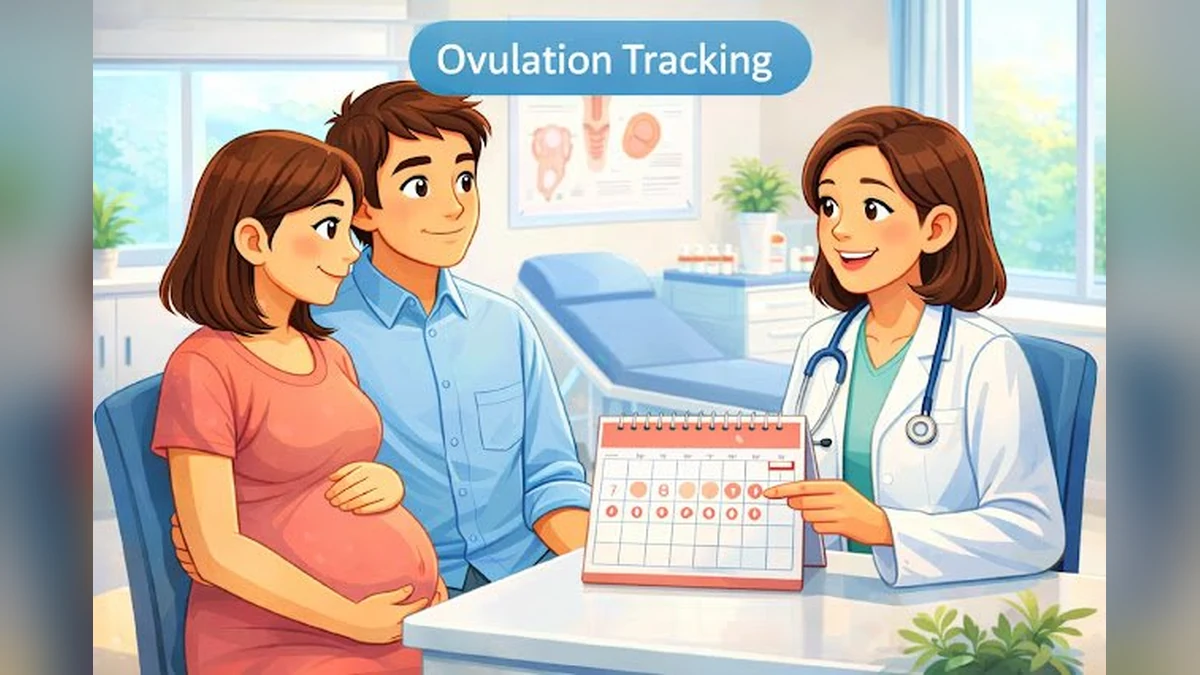
The first and most crucial step to getting pregnant quickly is understanding your ovulation cycle. Ovulation is the process where a mature egg is released from the ovary. This egg remains viable for about 12 to 24 hours and can be fertilized by sperm during this time. Your menstrual cycle, typically around 28 days but varying for each woman, usually involves ovulation around the middle (e.g., day 14 of a 28-day cycle).
Signs of Ovulation:
- Basal Body Temperature (BBT): Your body temperature slightly increases after ovulation. Recording your temperature each morning upon waking can help track this.
- Cervical Mucus: During ovulation, cervical mucus becomes thinner, clearer, and more stretchy, resembling egg whites. This consistency helps sperm travel to the egg.
- Ovulation Predictor Kits (OPKs): These urine tests detect the surge in Luteinizing Hormone (LH) that occurs just before ovulation.
- Mittelschmerz: Some women experience mild pain or cramping in the lower abdomen, which can indicate ovulation.
By tracking your menstrual cycle and ovulation signs, you can identify your fertile window, which is typically the five days leading up to ovulation and the day of ovulation itself.
Timing Intercourse for Conception
Once you know your fertile window, the next important step is to have intercourse regularly during these days. Aim for intercourse every one to two days during your fertile window to ensure sperm are available when the egg is released. Importantly, try not to view intercourse as a task; focus on enjoying the process and minimizing stress, as stress can negatively impact fertility.
Making Positive Lifestyle Changes
A healthy lifestyle significantly boosts your reproductive health. A balanced and nutritious diet is key. Ensure adequate intake of:
- Folic Acid: Essential for preventing neural tube defects and supporting fertility. Found in leafy greens, lentils, oranges, and fortified cereals.
- Iron: Good sources include eggs, lentils, spinach, beans, and beetroot.
- Vitamin D: Get some sun exposure and consume foods like fatty fish and milk.
- Antioxidants: Fruits and vegetables rich in antioxidants can improve the quality of both eggs and sperm.
Avoid processed foods high in sugar, excessive salt, and unhealthy fats. Maintaining a healthy weight is also crucial, as both being underweight and overweight can disrupt hormonal balance and affect ovulation. Regular moderate exercise (around 30 minutes daily) like walking or yoga can improve circulation and reduce stress. However, avoid excessive or strenuous exercise, which can be detrimental.
Stress Management: Chronic stress can disrupt hormonal balance. Incorporate stress-reducing activities like yoga, meditation, deep breathing exercises, or hobbies you enjoy. Ensure you get adequate sleep.
Avoid Smoking and Limit Alcohol: Both smoking and excessive alcohol consumption can severely harm fertility in both men and women. It’s best to quit entirely. Limit caffeine intake to one or two cups of coffee per day, as high consumption may affect fertility.
Considering Male Fertility
Conception depends on both partners. Male fertility is equally important. Men should also follow a balanced diet, exercise regularly, and avoid smoking and excessive alcohol. Nutrients like Vitamin C, Vitamin E, Zinc, and Folate can help improve sperm quality and motility.
Avoid Excessive Heat: The testicles function best at a temperature slightly below normal body temperature. Avoid wearing tight clothing, taking very hot baths, or placing laptops directly on your lap for extended periods, as these can affect sperm production.
When to Consult a Doctor
If you’ve been trying to conceive for a while without success, seeking medical advice is important:
- After One Year of Trying: If you are under 35 and have been having regular, unprotected intercourse for a year without conceiving, consult a doctor.
- After Six Months of Trying: If you are 35 or older, consult a doctor after six months of trying.
- Pre-existing Health Conditions: If you have known conditions like Polycystic Ovary Syndrome (PCOS), thyroid issues, endometriosis, or if the male partner has known fertility problems, seek medical advice sooner.
Conclusion
The desire to start a family is natural, but patience and a positive outlook are vital during this journey. By adopting the scientific methods and lifestyle changes discussed, you can enhance your fertility and improve your chances of conceiving. Remember that every couple is unique, and sometimes professional help is needed. Don’t hesitate to speak with your doctor or a fertility specialist.
Frequently Asked Questions
- How can I increase my chances of getting pregnant quickly?
To increase your chances of getting pregnant quickly, focus on understanding your ovulation cycle and identifying your fertile window. Have intercourse regularly during this fertile period, maintain a healthy lifestyle with a balanced diet and moderate exercise, manage stress, and avoid smoking and excessive alcohol. For men, ensuring good sperm health through diet and avoiding excessive heat is also crucial.
- What are the signs of ovulation?
Common signs of ovulation include a slight increase in basal body temperature (BBT), changes in cervical mucus (becoming thinner, clearer, and more stretchy), and sometimes mild abdominal cramping (Mittelschmerz). Ovulation predictor kits (OPKs) can also detect the LH surge that precedes ovulation.
- How important is timing intercourse for conception?
Timing intercourse correctly is very important for conception. Having intercourse during your fertile window, which includes the days leading up to and including ovulation, significantly increases the chances of sperm meeting the egg. Aiming for intercourse every one to two days during this period is often recommended.
- What lifestyle changes can help improve fertility?
Key lifestyle changes include eating a balanced diet rich in folic acid, iron, and antioxidants; maintaining a healthy weight; engaging in regular moderate exercise; managing stress through relaxation techniques; getting enough sleep; and avoiding smoking and limiting alcohol and caffeine. These changes benefit both male and female fertility.
- When should a couple seek medical advice for fertility issues?
A couple should seek medical advice if they are under 35 and have been trying to conceive for one year without success, or if they are 35 or older and have been trying for six months. It’s also advisable to consult a doctor sooner if there are known pre-existing health conditions affecting fertility in either partner.

























Share Your Opinion
Comments are closed on this post.