Why a Hindi Alphabet Chart with English Pronunciation is Essential for Children
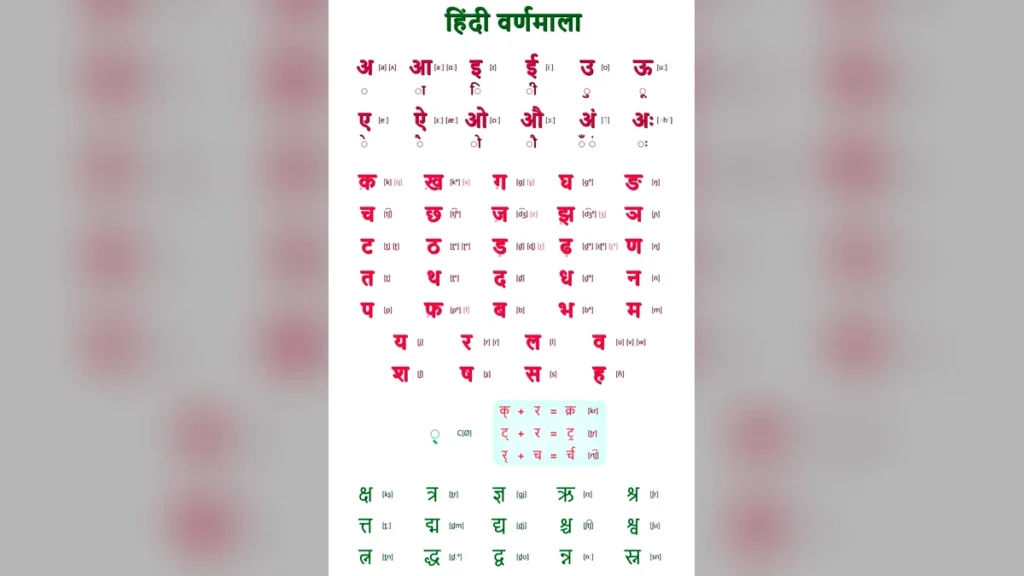
In today’s multilingual world, ensuring children connect with their mother tongue is crucial. For kids attending English-medium schools, learning Hindi can present unique challenges, especially with pronunciation and letter recognition. A well-designed Hindi alphabet chart, complete with English transliterations and pronunciation guides, acts as a vital bridge. It’s more than just a list of letters; it’s a foundational tool that makes Hindi accessible and engaging for young learners.
Here’s why such a chart is invaluable:
- Visual and Auditory Learning: Children learn best through seeing and hearing. A colorful, clear chart captures their attention and aids in memorizing letters.
- Familiar Ground for English Speakers: By providing English pronunciation (e.g., ‘क’ as ‘Ka’, ‘ख’ as ‘Kha’), the chart leverages existing knowledge of English phonetics, making Hindi sounds easier to grasp.
- Accurate Pronunciation Foundation: The English transliterations help children pronounce Hindi letters correctly from the start, minimizing the development of incorrect habits.
- Boosts Confidence: Successfully identifying and pronouncing letters builds a child’s confidence and encourages further learning.
- Home Learning Environment: Displaying the chart in a visible area at home creates an informal learning space, reinforcing lessons through constant exposure.
Understanding the Hindi Alphabet (Varnamala)
The Hindi alphabet, known as the Varnamala, is the systematic arrangement of all characters (letters) in the language. It forms the bedrock of Hindi literacy. The Varnamala is broadly divided into two main categories: Swar (Vowels) and Vyanjan (Consonants).
1. Swar (Vowels) with English Pronunciation
Vowels are sounds that are produced without any obstruction of the vocal tract. They are independent sounds. Hindi has 11 primary vowels, often accompanied by two Ayogvah (Anuswar and Visarg).
- अ (a) – like in ‘Amar’
- आ (aa) – like in ‘Aam’ (Mango)
- इ (i) – like in ‘Imli’ (Tamarind)
- ई (ee) – like in ‘Eekh’ (Sugarcane)
- उ (u) – like in ‘Ullu’ (Owl)
- ऊ (oo) – like in ‘Oont’ (Camel)
- ऋ (ri) – like in ‘Rishi’ (Sage)
- ए (e) – like in ‘Ek’ (One)
- ऐ (ai) – like in ‘Ainakh’ (Spectacles)
- ओ (o) – like in ‘Okhli’ (Mortar)
- औ (au) – like in ‘Aurat’ (Woman)
- Ayogvah:
- अं (ang) – Anuswar, as in ‘Angoor’ (Grape)
- अ: (ah) – Visarg, as in ‘Pratah’ (Morning)
A chart helps children link each vowel sound to its English equivalent, reinforcing correct pronunciation.
2. Vyanjan (Consonants) and the Importance of Correct Pronunciation
Consonants are sounds produced with the help of vowels. Each consonant inherently contains the ‘a’ sound. Hindi has 33 main consonants, along with some compound and additional ones. Learning the correct pronunciation is vital, as subtle differences can change word meanings.
Here are some primary consonants with their English pronunciations:
- क (Ka) – like in ‘Kamal’ (Lotus)
- ख (Kha) – like in ‘Khargosh’ (Rabbit)
- ग (Ga) – like in ‘Gamla’ (Flower pot)
- घ (Gha) – like in ‘Ghar’ (House)
- ङ (Nga) – like in ‘Ganga’ (River Ganges)
- च (Cha) – like in ‘Chammach’ (Spoon)
- छ (Chha) – like in ‘Chhatri’ (Umbrella)
- ज (Ja) – like in ‘Jag’ (Jug)
- झ (Jha) – like in ‘Jhanda’ (Flag)
- ञ (Nya) – like in ‘Panch’ (Five)
- ट (Ta) – like in ‘Tamatar’ (Tomato)
- ठ (Tha) – like in ‘Thatthera’ (Tinkerer)
- ड (Da) – like in ‘Damroo’ (Small drum)
- ढ (Dha) – like in ‘Dhakan’ (Lid)
- ण (Na) – like in ‘Baan’ (Arrow)
- त (Ta) – like in ‘Tarbooj’ (Watermelon)
- थ (Tha) – like in ‘Thermas’ (Thermos)
- द (Da) – like in ‘Dawa’ (Medicine)
- ध (Dha) – like in ‘Dhanush’ (Bow)
- न (Na) – like in ‘Nal’ (Tap)
- प (Pa) – like in ‘Patang’ (Kite)
- फ (Pha) – like in ‘Phal’ (Fruit)
- ब (Ba) – like in ‘Battakh’ (Duck)
- भ (Bha) – like in ‘Bhaloo’ (Bear)
- म (Ma) – like in ‘Machhli’ (Fish)
- य (Ya) – like in ‘Yagya’ (Sacrifice)
- र (Ra) – like in ‘Rath’ (Chariot)
- ल (La) – like in ‘Lattoo’ (Spinning top)
- व (Va) – like in ‘Van’ (Forest)
- श (Sha) – like in ‘Shalgam’ (Turnip)
- ष (Sha) – like in ‘Shatkon’ (Hexagon)
- स (Sa) – like in ‘Sapera’ (Snake charmer)
- ह (Ha) – like in ‘Haathi’ (Elephant)
Compound Consonants:
- क्ष (Ksha) – like in ‘Kshatriya’ (Warrior)
- त्र (Tra) – like in ‘Trishool’ (Trident)
- ज्ञ (Gya) – like in ‘Gyani’ (Knowledgeable person)
- श्र (Shra) – like in ‘Shram’ (Labour)
How to Effectively Use a Hindi Varnamala Chart with Your Child
Simply having the chart isn’t enough; active engagement is key to effective learning:
- Daily Practice: Dedicate a few minutes each day to reviewing the letters with your child.
- Gamified Learning: Turn learning into a game. Ask them to find specific letters, or name two words starting with a particular letter.
- Connect Letters to Words and Images: Associate each letter with a familiar word and, if possible, a corresponding image on the chart (e.g., ‘क’ for ‘Kamal’ with a lotus picture).
- Writing Practice: Once letter recognition is established, encourage writing. Start with tracing or copying letters from the chart.
- Focus on Pronunciation: Use the English pronunciation guide to help your child articulate sounds correctly. Gently correct any mispronunciations.
- Visible Placement: Hang the chart in a prominent place – a child’s room, study area, or even the refrigerator – for constant visibility.
The Advantage of English Pronunciation in Hindi Learning
In an era where English is often the primary language of instruction, learning Hindi through English pronunciation offers a significant advantage. It helps children map unfamiliar Hindi sounds to familiar English phonetic patterns, reducing confusion and speeding up recognition and pronunciation. This method is also highly beneficial for parents who may not be fluent in Hindi themselves but wish to guide their children’s learning.
Tips for Downloading and Using Your Hindi Alphabet Chart
When selecting and preparing your Hindi alphabet chart:
- High Quality: Ensure you download a high-definition (HD) image for clear, crisp printing.
- Colorful and Engaging: Opt for vibrant designs that appeal to children.
- Print and Laminate: Print the chart and laminate it for durability, making it easy for children to handle.
- Online Resources: Many websites offer free, high-quality Hindi Varnamala charts with English transliterations.
Beyond the Alphabet: The Next Steps in Hindi Learning
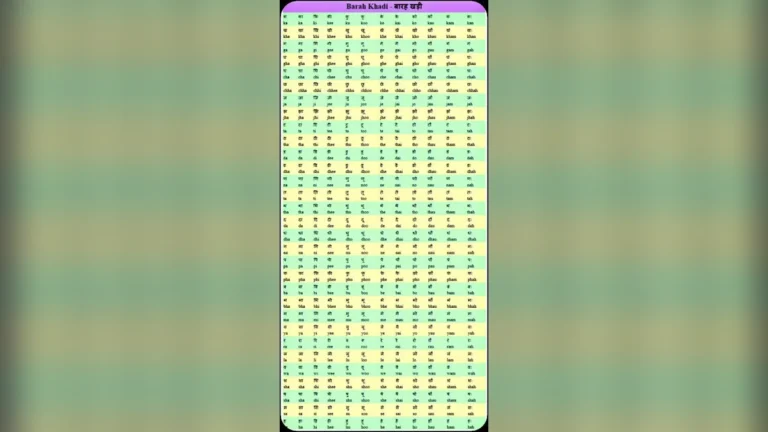
Once children are comfortable with the Hindi vowels and consonants, the next logical step is learning the Barakhadi. This involves practicing each consonant with all the vowel diacritics (matras), enabling children to form and read words. From there, they can progress to simple words, sentences, and eventually, stories. The Hindi alphabet chart is the essential first step on this rewarding journey.
Frequently Asked Questions (FAQs)
- What is the best way to teach Hindi alphabet to an English-speaking child?
Using a Hindi alphabet chart with English pronunciation is highly effective. It bridges the gap by relating Hindi sounds to familiar English phonetics, making learning easier and more intuitive. - How can I make learning the Hindi alphabet fun for my child?
Incorporate games, songs, and visual aids like charts. Connect letters to everyday objects and actions. Consistent, playful practice is key. - Why is English pronunciation important for learning Hindi letters?
For children accustomed to English, English transliterations provide a familiar reference point for Hindi sounds, aiding pronunciation accuracy and reducing learning curves. - Where can I find a good Hindi Varnamala chart with English pronunciation?
You can find numerous free, high-quality charts online by searching for “Hindi alphabet chart English pronunciation” or “Hindi Varnamala chart for kids”. Ensure the image quality is good for printing. - What comes after learning the Hindi alphabet?
After mastering the alphabet (Swar and Vyanjan), the next step is learning the Barakhadi (consonant-vowel combinations), followed by simple words, sentences, and reading practice.