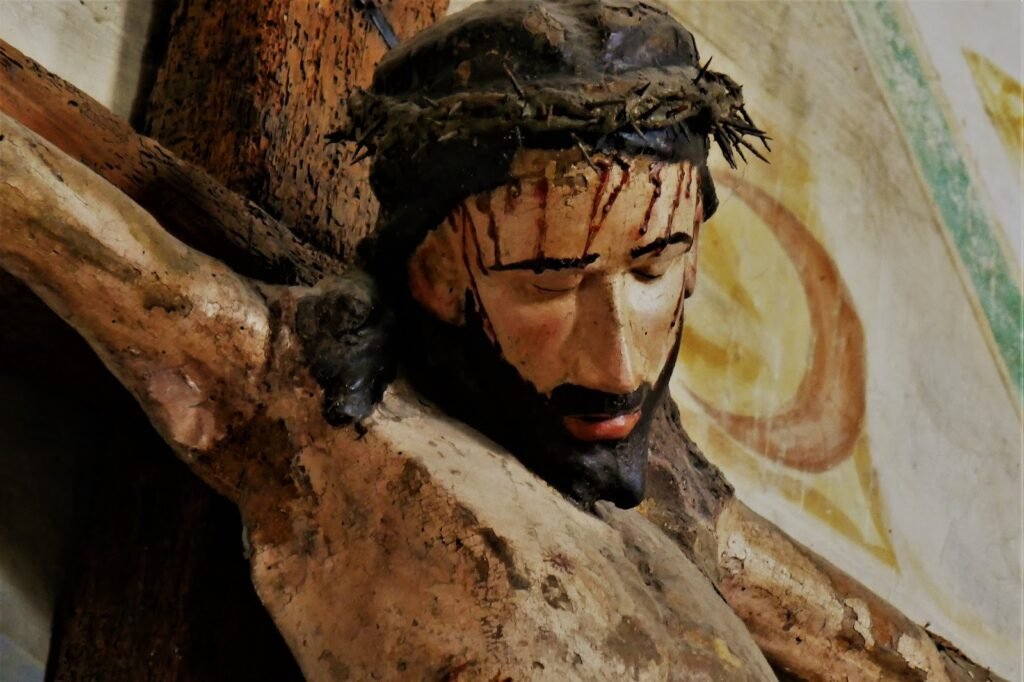
What is Good Friday? An Introduction
Good Friday, also known as Holy Friday, Great Friday, or Black Friday in some regions, falls on the Friday immediately preceding Easter Sunday. It is a pivotal day within Christianity’s Holy Week, a period dedicated to preparing for the Easter celebration. On this day, Christians remember the crucifixion of Jesus Christ outside Jerusalem at a place called Golgotha, under the order of Pontius Pilate, the Roman governor of Judea. It is a day marked by sorrow, repentance, and introspection.
Why is Good Friday Observed? History and Significance
Several deep-rooted reasons and beliefs underpin the observance of Good Friday:
1. The Sacrifice of Jesus Christ: The Ultimate Example of Love and Forgiveness
The primary reason for Good Friday is the sacrifice made by Jesus Christ for humanity. According to Christian beliefs, Jesus willingly offered himself as atonement for the sins of the world. He taught his followers messages of love, compassion, and forgiveness, and even prayed for his persecutors in his final moments. This sacrifice highlights the immense price he paid to liberate humanity from sin and reconcile them with God.
2. Redemption from Sins and New Life
Christian theology posits that Jesus’ sacrifice was the path to redemption from Original Sin and all other sins. Through the shedding of his blood, believers are granted forgiveness for their sins and the opportunity to establish a new relationship with God. Good Friday serves as a reminder of the depth of God’s love, so profound that he sacrificed his only Son for our salvation.
3. A Symbol of Obedience and Faith
Jesus accepted suffering and death in obedience to his Heavenly Father. This act symbolizes his complete obedience and deep faith in God. Good Friday teaches us that while life may present challenges, faith and obedience can help us overcome any adversity.
4. Why is it Called ‘Good’ Friday?
This is a common question, given the somber nature of the day. Several explanations exist:
- Old English Origin: Some scholars suggest the word ‘Good’ might derive from the Old English word ‘Gōd’, meaning ‘God’s Friday’.
- Holiness: The term ‘Good’ here could also signify ‘holy’ or ‘pious’, as a significant, holy act (humanity’s salvation) was completed on this day.
- Consequences: Most importantly, despite the tragic end of Jesus’ sacrifice, its outcome was ‘good’ for humanity. Through his sacrifice, the path to freedom from sin and the hope of eternal life was opened. Thus, the day is called ‘Good’ because it paved the way for ultimate salvation for humankind.
How is Good Friday Observed? Traditions and Customs
Christian communities worldwide observe Good Friday in various ways, but the core sentiment remains one of sorrow, prayer, and reflection:
1. Special Prayers and Services in Churches
- Solemn Atmosphere: Churches hold special prayer services in a quiet and solemn environment.
- Stations of the Cross: Many churches practice the ‘Stations of the Cross’, recalling the 14 stages of Jesus’ final hours leading up to his crucifixion.
- Bible Readings: Passages from the Bible related to Jesus’ suffering and death, particularly the ‘Passion of Christ’, are read.
- Fasting and Abstinence: Many Christians observe fasts or abstain from non-vegetarian food and practice self-control, exercising restraint over their desires.
- No Celebrations: This day is not marked by festivities. Church decorations are minimal, and the music is often somber.
2. Personal Reflection and Repentance
On a personal level, individuals reflect on their sins, meditate on Jesus’ sacrifice, and strive to align their lives with his teachings. It is an opportunity for self-examination and spiritual renewal.
The Connection Between Good Friday and Easter Sunday
Good Friday is incomplete without Easter Sunday. While Good Friday symbolizes Jesus’ sacrifice and death, Easter Sunday celebrates his resurrection. This resurrection is the cornerstone of the Christian faith, signifying the triumph of life over death, light over darkness, and hope over despair. The sorrow of Good Friday paves the way for the joy of Easter Sunday, illustrating that every end is a new beginning.
The Relevance of Good Friday Today
Even in contemporary times, Good Friday holds significant relevance. It teaches us:
- Sacrifice for Others: The spirit of sacrificing for the welfare of others.
- Importance of Forgiveness: To forgive even those who have wronged us.
- Standing for Truth: The courage to stand against injustice and falsehood.
- Love and Compassion: To extend love and compassion to all fellow human beings.
This day inspires us to embrace these universal values in our lives, going beyond merely remembering a religious event.
Conclusion
Good Friday is more than just a historical event or a religious holiday. It is a powerful message of love, sacrifice, forgiveness, and hope that has inspired humanity for centuries. It reminds us that even in the darkest moments of suffering, a greater ‘good’ can be found, ultimately leading us to redemption and new life. On this day, the Christian community remembers Jesus’ sacrifice, resolves to follow his path, and awaits the hopeful resurrection celebrated on Easter.