 Vista

What are Black Clay Pots (Kaali Haandi)?
Black clay pots, often referred to as ‘Kaali Haandi’ or ‘Hadiya’ in India, are traditional earthenware vessels used for cooking. Unlike the modern aluminium and steel cookware prevalent today, these pots were the primary choice for generations. Made from natural clay, they possess unique properties that can significantly impact the way food is cooked and its nutritional value.
5 Key Benefits of Cooking in Kaali Haandi
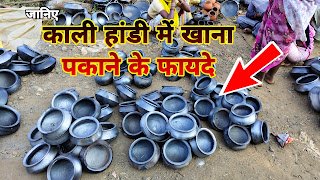
The resurgence of interest in traditional cooking methods has brought black clay pots back into the spotlight. Here are the primary advantages:
1. Enhanced Nutritional Value
One of the most significant benefits of cooking in Kaali Haandi is its ability to preserve the natural nutrients in food. Unlike metal cookware, which can sometimes leach chemicals or cause nutrient loss through high-heat reactions, clay pots cook food gently. This slow and steady cooking process ensures that essential vitamins and minerals remain intact, leading to more wholesome meals.
2. Reduced Oil Consumption
Black clay pots have a porous nature. Before cooking, soaking the pot in water for 6-10 hours allows the clay to absorb moisture. During cooking, this absorbed water is released slowly, creating a steaming effect. This means food cooks evenly without needing excessive oil, as the moisture from the pot itself helps in the cooking process. This results in healthier, low-fat meals.
3. Superior Taste and Aroma
Food cooked in Kaali Haandi develops a distinct, earthy flavour and a delightful aroma often described as ‘sondhi sondhi’ (earthy and pleasant). This unique taste is attributed to the slow cooking process and the natural properties of the clay, which allow flavours to meld beautifully. Many popular dishes like Handi Pulao, Handi Chicken, and Handi Biryani owe their rich taste to being cooked in these traditional pots.
4. Aids in Digestion and Gut Health
The gentle cooking method in clay pots not only preserves nutrients but also makes food easier to digest. Meals cooked in Kaali Haandi are less likely to cause acidity, gas, or indigestion. The balanced nutrient profile and the absence of harsh cooking reactions contribute to better gut health and overall well-being.
5. Fuel Efficiency
Black clay pots heat up relatively quickly and retain heat effectively. This means that less fuel (whether gas or wood) is required to cook meals. The efficient heat distribution ensures food cooks faster, saving both time and energy resources.
Important Considerations Before Using Kaali Haandi
To get the best out of your black clay pot, follow these simple steps:
- Thorough Cleaning: Ensure the pot is clean before its first use and after each subsequent use.
- Soaking: Always soak the pot in water for at least 6-10 hours before cooking. This step is crucial for optimal performance and to prevent the pot from cracking.
Potential Drawbacks of Kaali Haandi

While the benefits are numerous, there’s one primary concern:
- Hygiene and Durability: Clay pots can be more challenging to clean thoroughly compared to metal ones, and residual food particles can sometimes remain, potentially harbouring bacteria. It’s advisable to replace clay pots periodically, especially if they show signs of wear or are difficult to clean, to maintain hygiene standards. They are also more fragile than metal pots and can break if mishandled.
Frequently Asked Questions (FAQs)
Q1: Why is food tastier when cooked in a Kaali Haandi?
The porous nature of the clay allows for slow, even cooking and moisture retention. This gentle process helps flavours to develop and meld naturally, creating a unique, earthy taste and aroma that is often lost in faster cooking methods using metal pots.
Q2: Can I use soap to clean my black clay pot?
It’s generally recommended to avoid harsh detergents or abrasive cleaners on clay pots. Use warm water and a soft sponge or brush. For stubborn stains, a paste of baking soda and water can be used. Rinse thoroughly and allow it to air dry completely.
Q3: How long do black clay pots typically last?
With proper care, a black clay pot can last for a considerable time. However, they are susceptible to cracking or breaking if dropped or subjected to sudden temperature changes. Regular replacement is also a good practice for hygiene.
Q4: Are there any specific types of food that are best cooked in Kaali Haandi?
While versatile, Kaali Haandi are particularly excellent for slow-cooked dishes, stews, curries, rice dishes (like pulao or biryani), and even for brewing tea or coffee, where the slow release of flavour is beneficial.
Q5: Is cooking in black clay pots suitable for everyday use?
Yes, absolutely. The health benefits, superior taste, and fuel efficiency make Kaali Haandi an excellent choice for daily cooking. Just be mindful of the care instructions and their delicate nature.
Incorporating Kaali Haandi into your kitchen is a step towards healthier eating and reconnecting with traditional culinary practices. Enjoy the authentic flavours and nutritional richness they bring to your table.



























Share Your Opinion
Comments are closed on this post.