 Vista
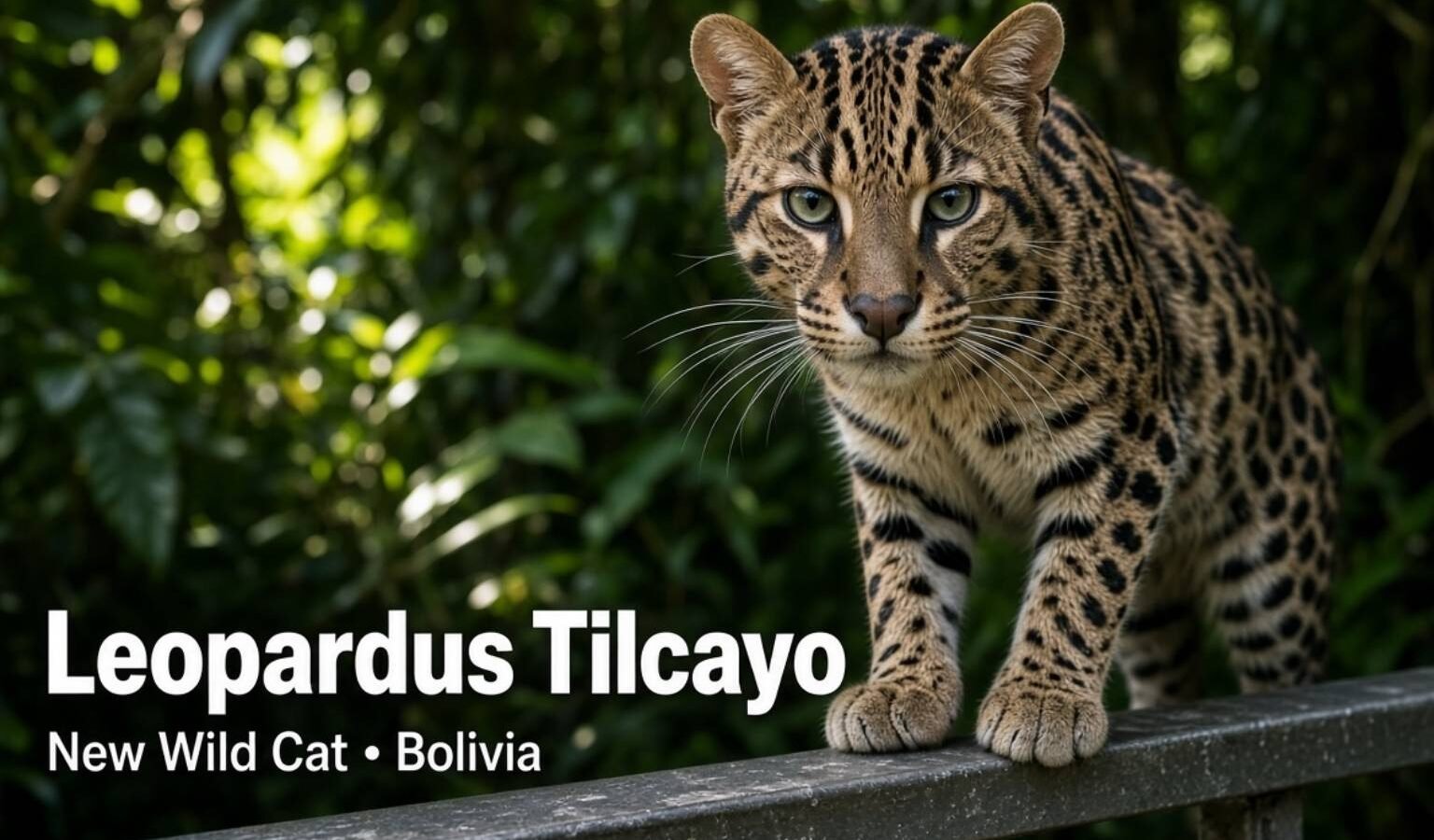
Leopardus tilcayo is a small wild-cat species formally described in 2026 from Bolivia’s Yungas region. Its recognition came through genomic research that separated visually similar tiger cats into distinct evolutionary lineages. Below are pictures, the discovery story, scientific identification limits and the key facts people frequently search for.
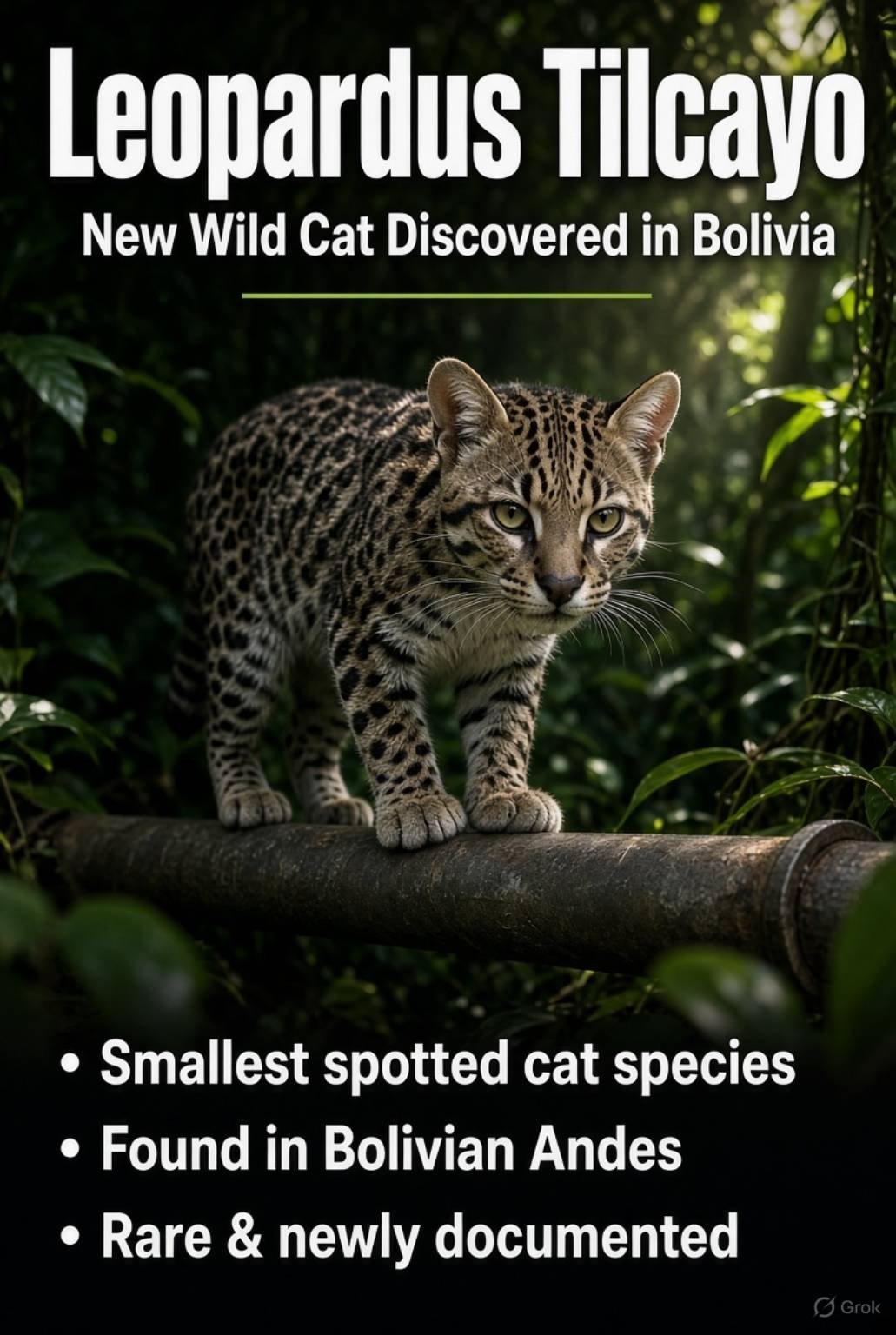
What is Leopardus tilcayo, and why was it identified in 2026?
Leopardus tilcayo is a newly described living species of small South American wild cat associated with the Yungas forests of Bolivia. The name tilcayo comes from a local name used for the animal. Researchers did not discover a giant cat hiding in an unexplored continent; instead they clarified the identity of a small, spotted feline whose appearance overlaps with other tiger cats. A study published in Current Biology in September 2026 combined whole-genome evidence with museum specimens and geographical sampling to distinguish evolutionary lineages. This is a particularly interesting case for people looking for Leopardus tilcayo pictures: a photograph can show markings, body shape and surroundings, but it cannot by itself prove that an individual belongs to this newly recognised species. The scientific breakthrough was primarily about ancestry and classification.
Where does the new Bolivian wild cat live?
The species is linked to the Yungas, the humid mountainous forest belt on the eastern side of the Andes in Bolivia. These forests have dramatic changes in elevation, temperature, rainfall and vegetation over short distances. Such landscapes can isolate wildlife populations over long evolutionary periods. In a search for “Leopardus tilcayo habitat”, the most useful geographical distinction is between the Bolivian Yungas and the broader range of other tiger cats distributed across Central and South America. Do not assume that every photographed small spotted cat from Bolivia is a tilcayo, or that this species lives in every part of the country. The precise extent of its distribution, population size, movement patterns and preferred microhabitats need additional field observations. A reliable locality caption matters more than an attractive but unsourced range map.
How scientists recognised a distinct species
A research team led by Eduardo Eizirik and colleagues analysed genetic information from modern animals and historical specimens preserved in museums. Genomic comparisons made it possible to test relationships among visually similar tiger cat populations. Their phylogenomic analysis supported five species-level lineages in the tiger-cat complex: Leopardus guttulus, L. emiliae, L. pardinoides, L. tigrinus and the newly described L. tilcayo. It also identified a Peruvian subspecies called L. tigrinus antisuyo. The crucial insight is that coat patterns alone can hide important genetic differences. These are often called cryptic species, meaning that animals may look remarkably alike despite having independent evolutionary histories. Taxonomy can change as new evidence accumulates; the source paper and subsequent assessments, not viral photo labels, should guide the name used in an article.
The story of Tigrino and the scientific type specimen
The scientific account includes a male nicknamed Tigrino. According to the university announcement, he was found as a cub by a resident of Bolivia’s Nor Yungas region in 2016 and later taken to the La Senda Verde animal refuge. He was initially associated with the tiger-cat group under an older identification. Genetic study demonstrated that the animal belonged to a separate evolutionary lineage. The researchers designated Tigrino as the holotype, a reference specimen central to the formal description of Leopardus tilcayo. A holotype is not automatically the first animal of its kind ever seen; it is the particular specimen that anchors the scientific name. That distinction prevents the misleading claim that scientists first encountered the cat alive in September 2026. The 2026 milestone was its formal taxonomic recognition.
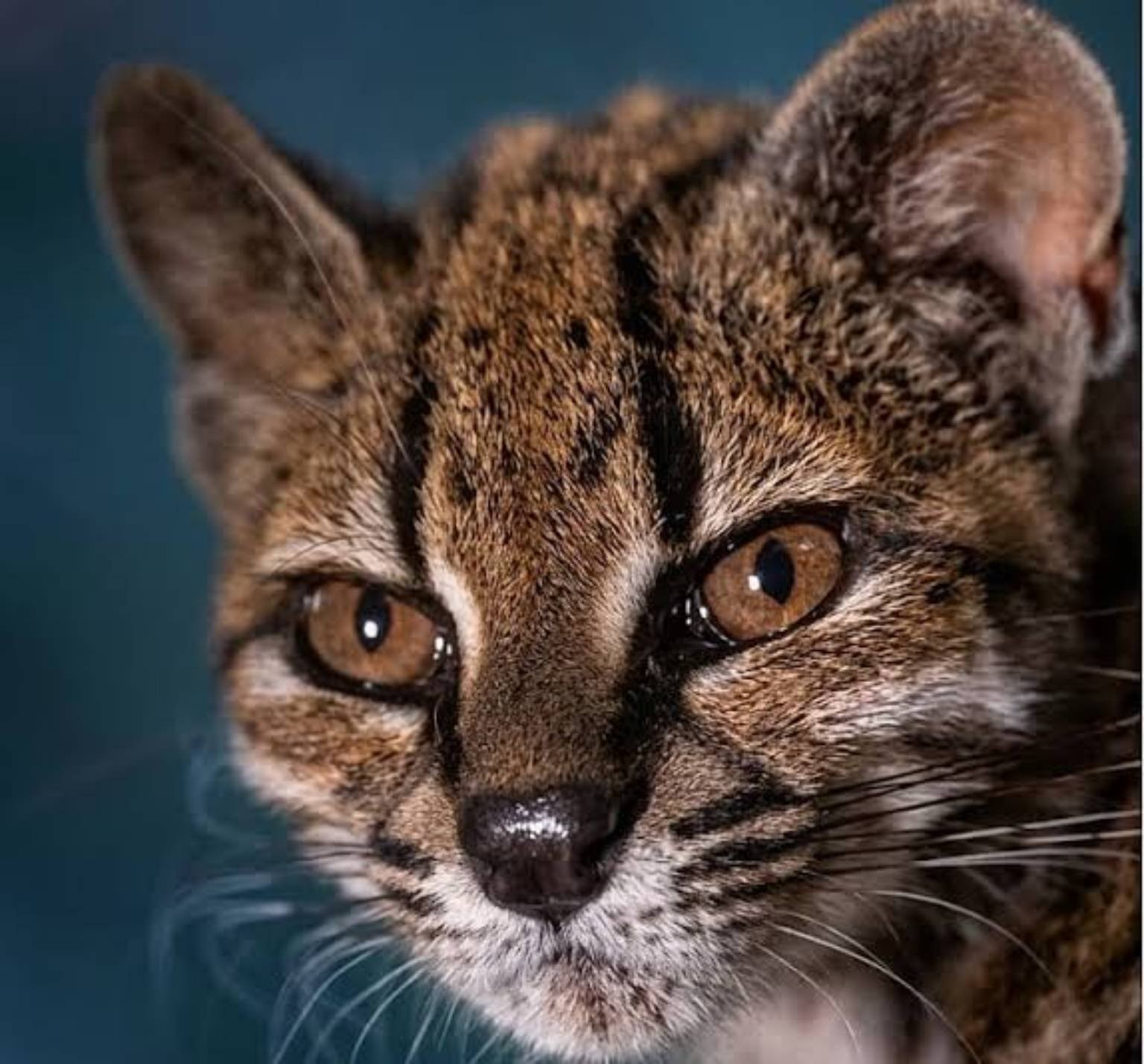
Leopardus tilcayo pictures: what can a viewer identify?
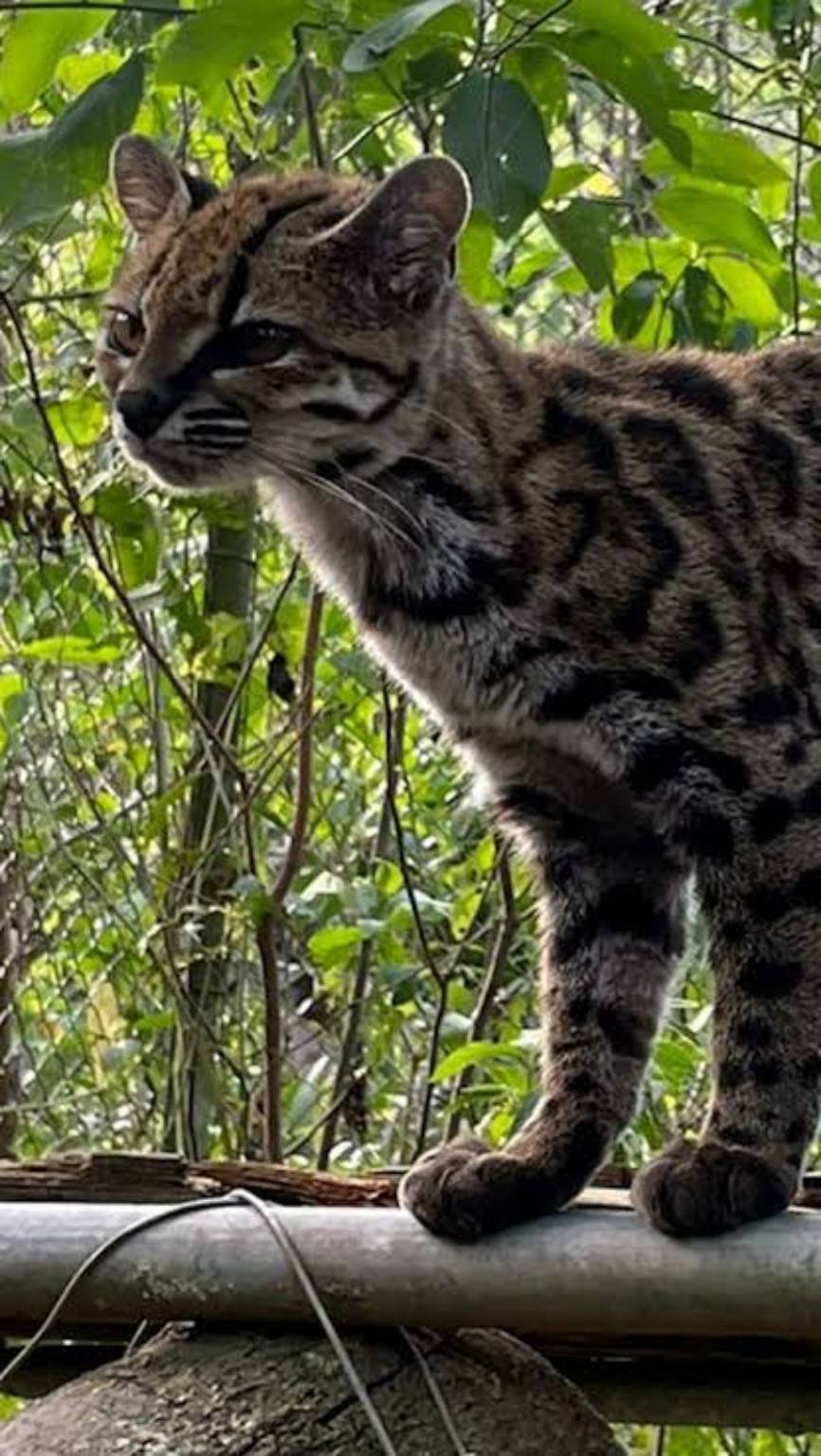
In pictures, the relevant general features are a small cat-like body, a patterned coat, dark markings on the face and limbs, a rounded head and a tail consistent with the tiger-cat group. However, these traits are not exclusive to L. tilcayo. Lighting, camera angle, a young animal’s proportions and even seasonal coat variation can alter how markings look. The image gallery below is designed to help readers examine such features, not function as a photographic identification certificate. A close-up is useful for facial marks and eye area; a side profile helps show body proportions; a full-body scene gives a sense of how a small spotted cat moves through vegetation. For an authenticated scientific image or diagnostic character, consult the original study and the researchers’ material. Where a visual is illustrative, it should be read as an aid to understanding rather than proof of the depicted individual’s identity.
Leopardus tilcayo vs oncilla and other tiger cats
People searching “tilcayo vs oncilla” may expect a simple side-by-side difference, such as a unique spot or ear shape. The problem is that oncilla has historically been used for cats placed within a changing tiger-cat classification. Similar external appearances helped obscure multiple lineages. For this reason a single alleged “tilcayo spot pattern” or a quick social-media comparison cannot reliably resolve the identity of an unfamiliar wild cat. The new genomic study separated a group of lineages including L. tigrinus, L. guttulus, L. emiliae and L. pardinoides, while recognising L. tilcayo in Bolivia. A careful comparison chart should state each cat’s scientific name, reported geography and the limits of visual identification. Distinct lineage and locality information are more defensible than invented size, weight or speed statistics. For accurate wildlife identification, scientists may require provenance, genetic material and specialist morphological analysis.
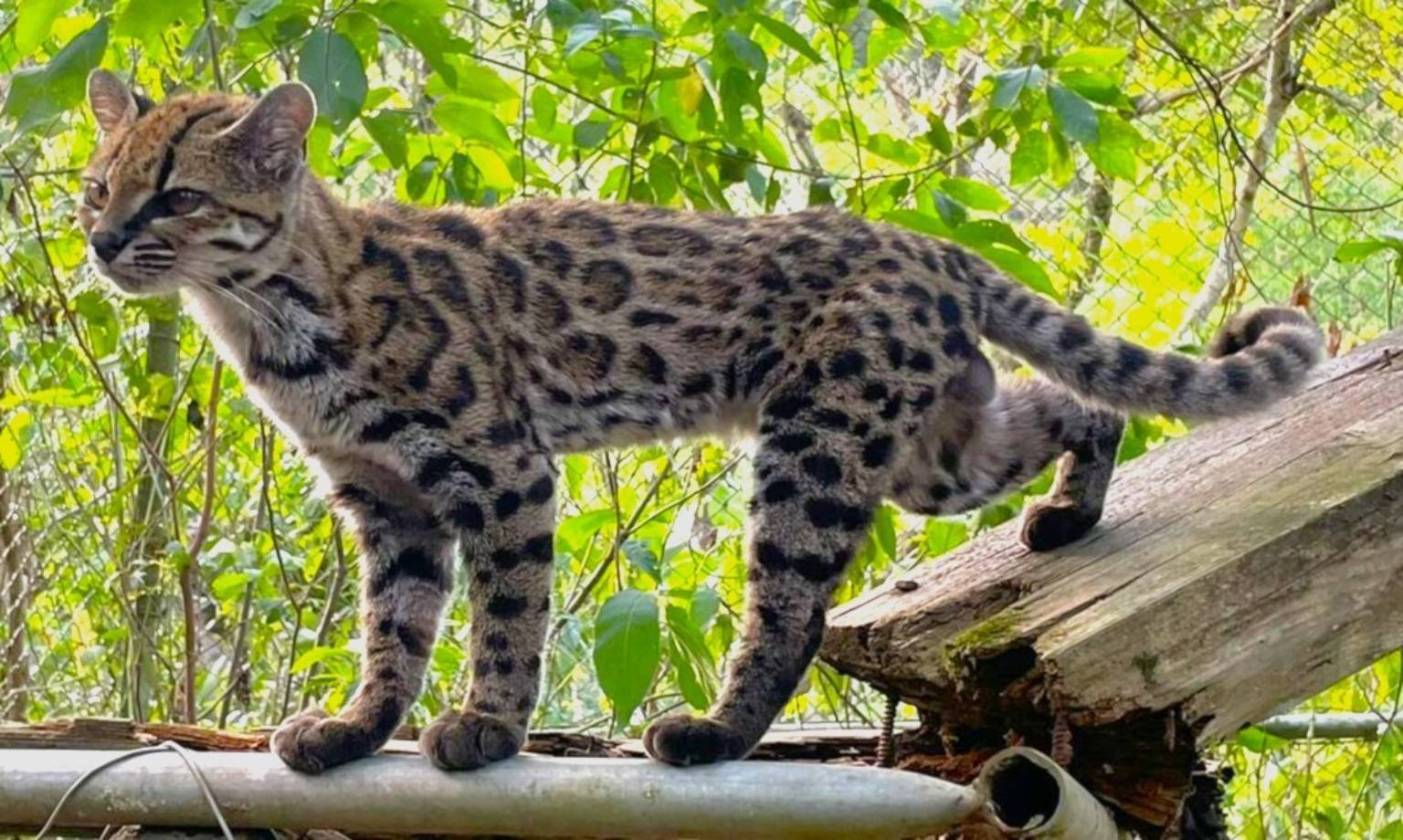
Why the discovery matters for conservation
Recognising a distinct species can fundamentally change conservation questions. When several populations are lumped under one broad name, habitat loss in a geographically restricted lineage may be underestimated. A narrow-range cat can also have a different exposure to fragmented forests, roads and human settlement from populations elsewhere. Researchers discussed threats relevant to small Neotropical felines, including habitat loss, hunting and diseases transmitted by domestic animals. They also identified concerns about low genetic diversity in parts of the tiger-cat complex. This does not justify inventing an IUCN category or a population estimate for L. tilcayo. A formally described species is not automatically endangered, and a dramatic headline cannot replace an assessment. The appropriate next step is careful ecological surveying and species-specific evaluation while protecting the forest communities in which these cats occur.
What the discovery does—and does not—mean
It is accurate to say that scientists formally described a new living wild-cat species in 2026, and that this was unusually notable for felid taxonomy. It is not accurate to claim that the cat evolved in 2026, appeared suddenly in Bolivia or can be confirmed solely by comparing online pictures. Taxonomic discoveries often combine old specimens, local knowledge, careful fieldwork and new methods. In this case the conservation value is paired with a methodological lesson: museums are archives of biological evidence. Historic samples can be analysed alongside modern material and reveal relationships that could not be resolved decades earlier. A responsible article separates the date of publication, the earlier life history of the type specimen and the much longer evolutionary history of the species.
How to use these pictures and verify new claims
Look for a source associated with every new claim about an individual cat. A caption saying “Bolivian wild cat” is broader than a confirmed Leopardus tilcayo identification. Check whether the image accompanies a peer-reviewed article, a university release, or an independent illustration. Ask if the photograph was taken in the correct region and if the described animal is backed by specimen information. Avoid using an image of a different Leopardus species merely because the markings look similar. When sharing this article, focus on the verifiable takeaway: genetics uncovered a distinct wild cat in Bolivia’s Yungas. For students, the most useful visual exercise is a three-column table comparing scientific name, region and type of evidence. That teaches both wildlife observation and the limits of appearance-based classification.
Leopardus tilcayo FAQ
Is Leopardus tilcayo a newly evolved cat?
No. The species was formally recognised in 2026; the lineage existed long before that announcement.
Where was it identified?
Its type history and research record are associated with Bolivia’s Yungas forests.
Can I identify it from a spotted coat alone?
No. Closely related tiger cats can look alike and the defining study relies heavily on genomic evidence.
Is it the same as an oncilla?
The tiger-cat complex was revised; names and relationships are best checked against the 2026 research rather than old image labels.
Is its conservation status known?
Do not assign an IUCN category without a species-specific current assessment; researchers say its restricted habitat merits attention.
Conclusion and scientific sources
The enduring value of the Leopardus tilcayo discovery is the lesson that biodiversity can hide in plain sight. Accurate names, locality records and genetics matter just as much as attractive cat pictures. Updated 23 November 2026.
Sources: Current Biology tiger-cat phylogenomics study; PUCRS research announcement.
Related science reading
- Indian Bramble Shark (Echinorhinus roinee): New Kerala Deep-Sea Species, Photos & Facts
- India Deep Ocean Mission Discoveries 2026: New Sharks, MATSYA-6000 & 2028 Dive Target



























Share Your Opinion
Comments are closed on this post.