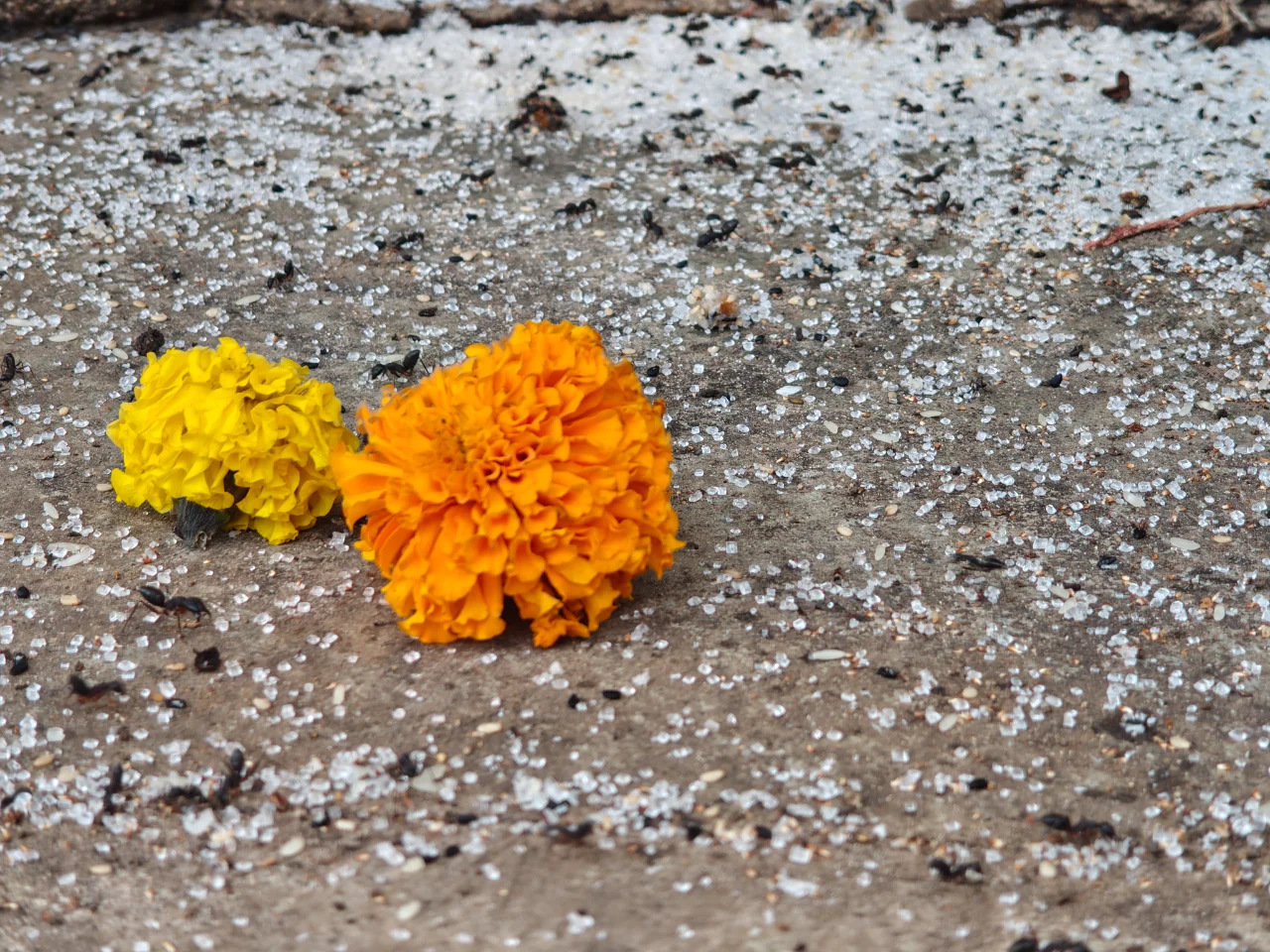
Walk past an old Peepal or Banyan tree in the morning, and you’ll often notice ants bustling around the trunk, with a sprinkle of white sugar nearby. Many of us have seen our elders perform this ritual since childhood. But have you ever wondered about the real reason behind this tradition? Is it merely a religious act, or does it involve deeper social and scientific logic?
Religious Beliefs: ‘Keedi Nagar’ and the Principle of Serving Life
In Hinduism, it is believed that God resides in every living being, big or small. When someone sprinkles sugar near a Peepal or Banyan tree, it is referred to in astrology and folk tradition as establishing ‘Keedi Nagar’ or feeding the ants. This is not just a religious ritual but an integral part of the core Sanatan Dharma principle of ‘Jeev Daya’ (compassion for living beings).
Puranas mention that offering food to hungry creatures destroys sins unknowingly committed by a person. Ants are very tiny creatures, and feeding them is considered highly meritorious. When you place sugar or a flour mixture at the base of a large tree, thousands of ants are satisfied simultaneously, which is believed to bring happiness and prosperity to the home.
Astrological Reasons: Pacifying Rahu, Ketu, and Shani Dosha
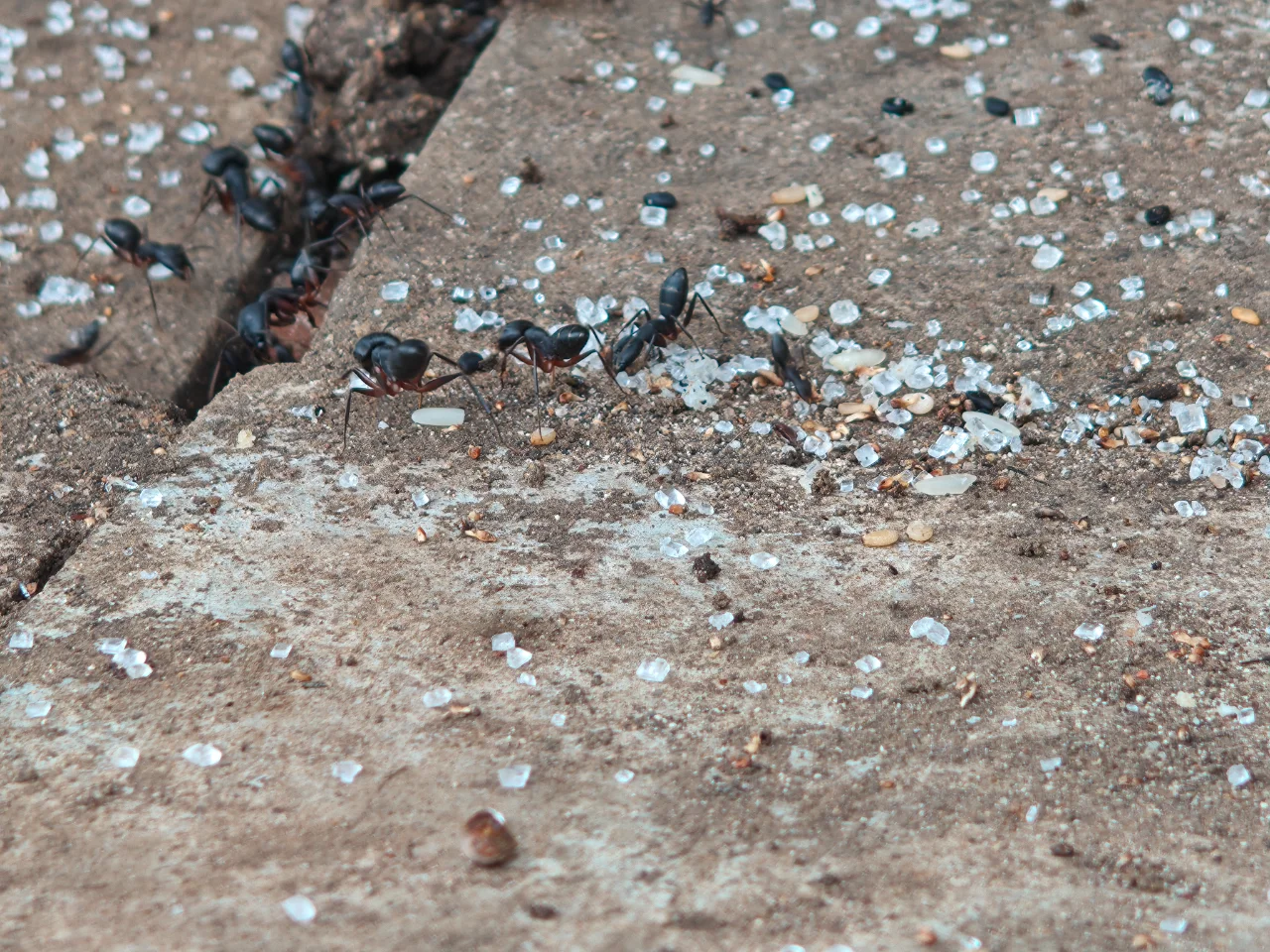
In Vedic astrology, both Banyan and Peepal trees are held in high regard. The Peepal tree is believed to be the abode of Lord Vishnu and Lord Shiva, while the Banyan is considered a symbol of longevity and Lord Brahma. If a person’s horoscope is afflicted by the malefic influence of Rahu or Ketu, astrologers often advise performing ‘Keedi Bhoj’ (feeding ants).
Ants are primarily associated with the planets Rahu and Ketu. When ants are satisfied by consuming sugar, it helps reduce mental stress and pacifies the negative planetary energies. Furthermore, to mitigate the effects of Shani’s Dhaiya or Sade Sati, there has been an ancient tradition of offering flour mixed with sugar at the base of a Peepal tree on Saturdays.
A Means of Pleasing Ancestors and Mitigating Divine Afflictions
According to scriptures, the Peepal tree is also considered to be inhabited by our ancestors (Pitru). On Amavasya (new moon day) or during Pitru Paksha (fortnight dedicated to ancestors), offering water along with sweet offerings or sugar at the roots of the Peepal tree is believed to please the ancestors. It is believed that when these tiny creatures consume the sugar, the merit gained is directly transferred to the souls of the ancestors, bringing them peace.
If a family is plagued by persistent illnesses or domestic discord, it is often attributed to divine afflictions or ancestral curses (Dev Dosha or Pitru Dosha). In such cases, regularly offering sugar or flour for ants under the vast shade of a Banyan tree is believed to ward off negative energies and usher in positive vibrations into the home.
Ecological and Scientific Perspective: Nature’s Balance
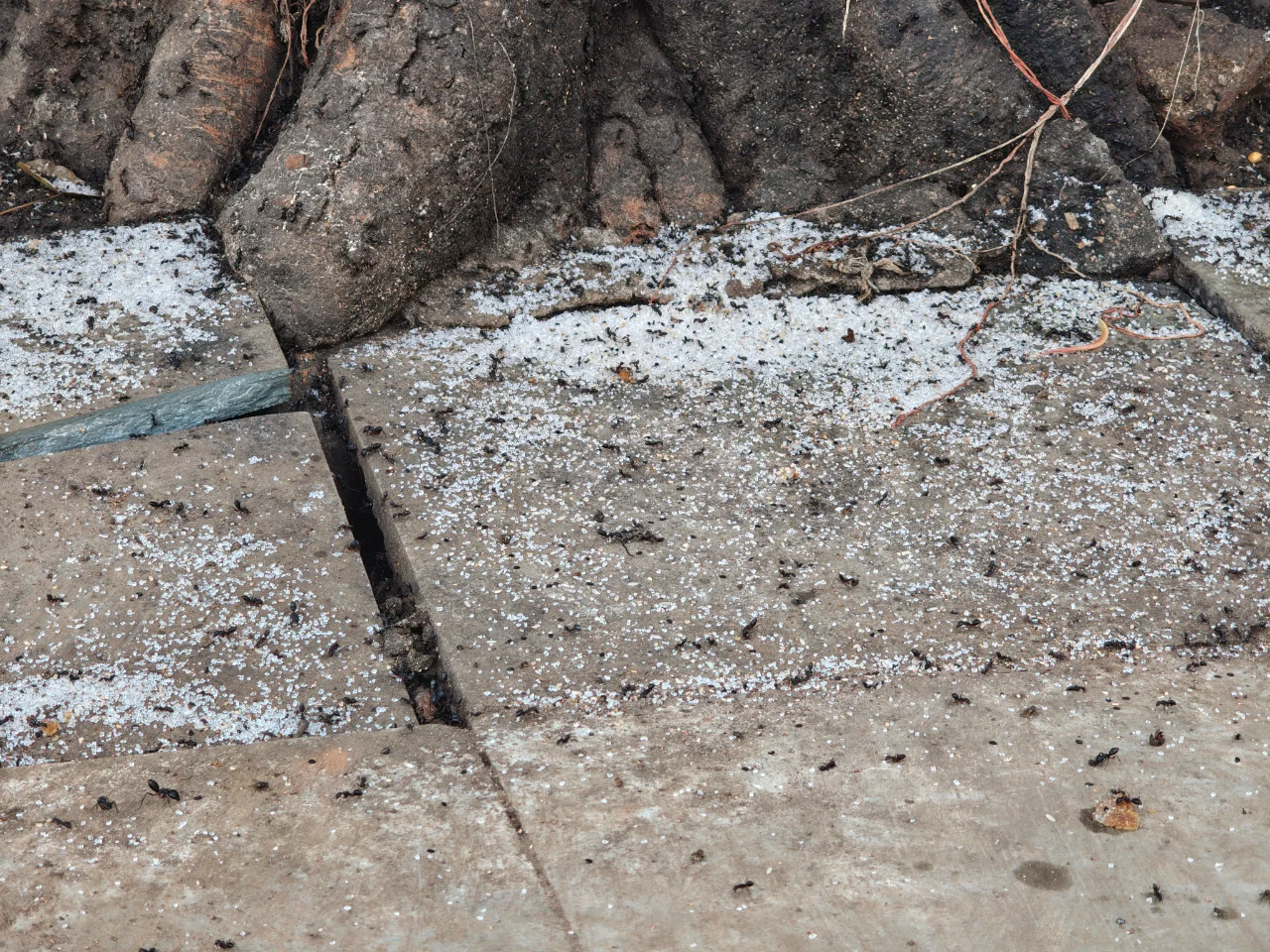
Stepping away from purely religious beliefs, this tradition also holds a profound practical and ecological significance. Banyan and Peepal trees are immense, supporting an entire ecosystem within their canopy. Ants play a crucial role in aerating the soil and enriching its fertility.
When people offer sweets near these trees, ants are drawn to the area. This concentration of ants helps them consume harmful insects and termite eggs around the tree, thereby protecting the tree. In a way, this represents a symbiotic relationship between humans and nature, where we provide food for micro-organisms, and in return, they help maintain ecological balance.
FACT: In the Sanatan tradition, feeding ants, or ‘Keedi Bhoj’, is considered a part of the ‘Bhoot Yagya’, one of the Panch Mahayajnas (five great daily sacrifices), directly linked to nature and ecological balance.
Precautions While Offering Sugar
While offering sugar to ants near trees is considered a virtuous act, doing it incorrectly can be detrimental. It is often observed that people heap large quantities of sugar or wet flour directly at the base of the main trunk. This method is not advisable.
Excessive sugar or wet flour can lead to the growth of fungi or harmful bacteria, which can damage the tree’s bark and roots. Therefore, sugar should always be offered in very limited quantities, sprinkled a little away from the trunk, allowing ants to easily carry it without harming the tree.
The Right Way and Time: How and When to Offer Sweets
The full benefit of any religious or social tradition is realized when performed at the right time and according to proper methods. The most auspicious time to offer sweets near Peepal or Banyan trees is considered to be around sunrise, when ants emerge from their nests in search of food.
Instead of plain sugar, mixing roasted flour with powdered sugar (known as ‘Kasar’) can be a more nutritious offering for the ants. This should always be done with a calm mind, without ego, and with the spirit of ‘Jeev Seva’. Saturdays and Tuesdays are considered particularly auspicious for this practice from an astrological perspective.
Wise Counsel
Offering food to ants has always been considered a noble deed in scriptures and folk traditions. The Mahabharata’s Anushasan Parva states that a person who remembers the minute creatures of nature before their own meal never faces poverty. However, a balance between faith and the correct method is crucial.
In urban settings, people often dump sugar and flour in plastic bags at the base of trees. This can lead to sin rather than virtue, as plastic harms both the environment and animals. Always spread the sugar with your own hands on the soil and take the plastic waste back with you. A handful of charity done with devotion is a thousand times better than a show of quintals done without thought.
If you are going near a Banyan or Peepal tree for planetary remedies or merit, do not treat it merely as a religious ritual. Hold genuine reverence for the tree and the small creatures thriving around it. Offer a limited amount of dry flour and sugar to maintain nature’s balance and make your devotion meaningful.
Frequently Asked Questions
Can I offer sugar to Peepal trees daily?
Yes, you can offer a small amount of sugar or flour regularly. Offering a limited quantity of sweets in the morning is considered an act of serving life and brings peace and happiness to the home.
Which day is most auspicious for offering sugar to ants?
Offering sugar or flour to ants near Peepal or Banyan trees on Saturdays and Tuesdays is considered most auspicious. It helps pacify doshas related to Saturn, Rahu, and Ketu.
Can offering sugar harm the tree?
If a large amount of sugar is heaped directly at the roots, it can cause fungal growth. Therefore, it is always advisable to sprinkle a light amount at a short distance from the trunk.
What else can be offered to ants besides sugar?
You can offer roasted flour, powdered sugar, or a mixture of semolina and sugar (‘Kasar’) to ants. These are considered better food for them.




















Share Your Opinion
Comments are closed on this post.