Understanding the Dengue Mosquito’s Daytime Activity
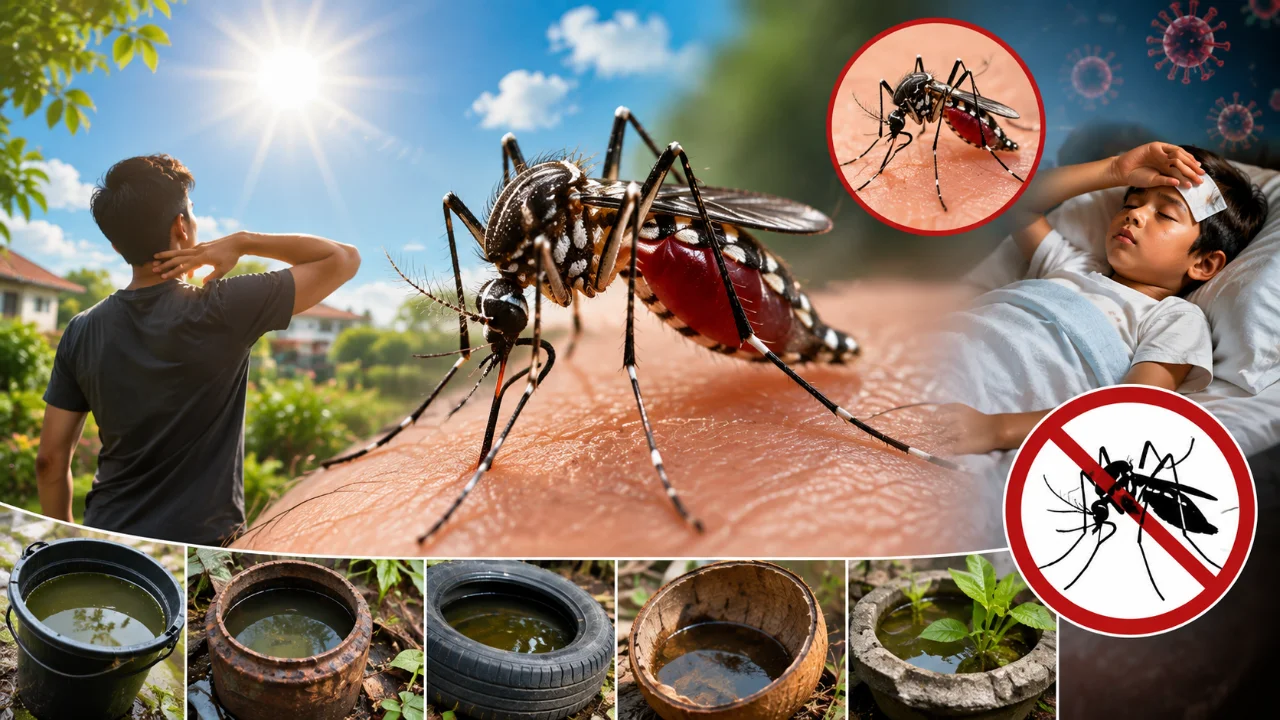
While many common mosquitoes are most active during dusk and night, the Aedes aegypti mosquito, responsible for spreading dengue, is a creature of daylight. Its unique eye structure and biological clock are adapted for better vision in bright light, making it easier for the mosquito to spot and target its prey while flying.
Experts note that this mosquito is most aggressive in the two to three hours after sunrise and a few hours before sunset. Believing you are safe from mosquito bites during the day, especially in the afternoon, is a dangerous misconception. Even a moment of carelessness during daylight hours can lead to a severe health crisis.
Why Dengue Mosquitoes Target Lower Body Parts
You might have noticed that dengue mosquitoes often bite around ankles, feet, and knees. There’s a scientific reason for this. The Aedes mosquito has limited flight capability, typically staying within two to three feet of the ground. Furthermore, it’s a cautious insect. It avoids flying near human hands or faces due to the higher risk of being swatted and killed. Instead, it stealthily attacks the legs and ankles, areas less likely to be noticed, making it harder to defend against.
Where Aedes Mosquitoes Hide Indoors
The dengue mosquito prefers human dwellings and indoor environments over open spaces, earning it the nickname ‘domestic mosquito.’ After biting, it quickly retreats to a cool, dark, and quiet hiding spot. Your home likely contains several such preferred locations. These include behind curtains, under sofas, along the edges of cupboards, within hanging laundry, and in the cool corners of bathrooms. After its daytime hunt, it conserves energy in these dark retreats. Therefore, vigilance is crucial not only outdoors but also inside your home during the day.
Distinguishing Dengue Mosquitoes from Common Mosquitoes
Not every mosquito bite transmits dengue. It’s essential to differentiate between common mosquitoes and the Aedes aegypti. The Aedes mosquito is distinct in appearance, characterized by white and black stripes on its body and legs, often leading to the name ‘tiger mosquito.’ While common mosquitoes produce a noticeable buzzing sound when they bite, the dengue mosquito approaches silently and bites without an audible warning. Its bite can be so subtle that you might not even realize it has happened. Additionally, common mosquitoes breed in stagnant, dirty water like drains, whereas the dengue mosquito exclusively lays its eggs in clean, still water.
FACT: The dengue mosquito (Aedes aegypti) is most active primarily two to three hours after sunrise and just before sunset. It commonly bites below the knees and ankles.
Effective Daytime Dengue Prevention Strategies
When the threat is present during daylight, your protective measures must align accordingly. Simply using a mosquito net at night is insufficient for dengue prevention. Incorporating small but vital changes into your daily routine can help safeguard you and your family from this disease.
- Wear Protective Clothing: Opt for light-colored, full-sleeved clothing that covers your entire body when outdoors or even when at home. Darker colors tend to attract mosquitoes more.
- Use Repellents: Apply mosquito repellent creams to exposed skin during the day. For children going to school, consider using fabric roll-ons or patches on their clothing to ensure protection even in classrooms.
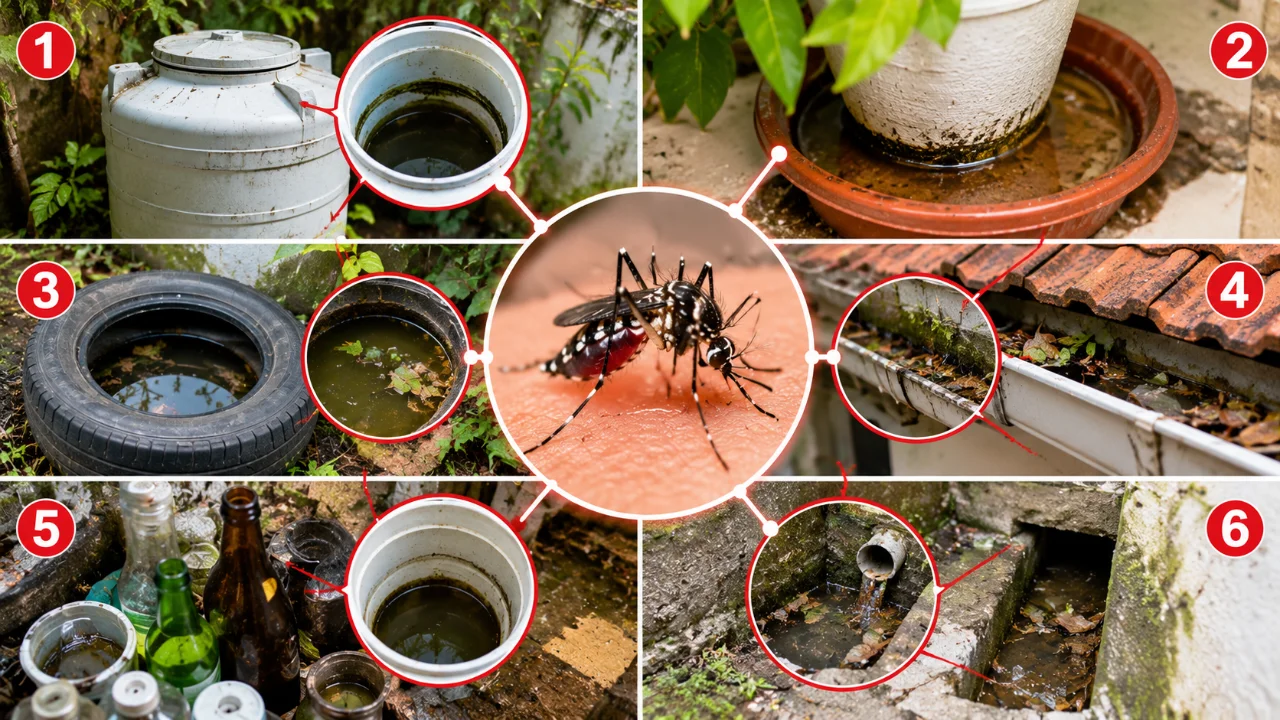
- Eliminate Breeding Sites: Be vigilant about eliminating stagnant water sources, even clean ones, around your home. Regularly empty and dry items like cooler tanks, plant saucers, pet water bowls, and any containers that can collect water.
Preventing Dengue: Avoiding Common Breeding Grounds
Many believe dengue originates from dirty surroundings or polluted water, but the reality is quite the opposite. The female Aedes mosquito lays her eggs in clean, still water. Even small items in your home can become breeding grounds. Water in coolers, plant pots, birdbaths, and even old tires or discarded containers can harbor mosquito larvae. It is crucial to completely empty and dry these containers at least once a week. A small collection of standing water can pose a significant risk to your entire family.
Frequently Asked Questions
When is the dengue mosquito most active?
The dengue mosquito is primarily active during the day. It shows peak activity two to three hours after sunrise and a few hours before sunset.
Does the dengue mosquito not bite at night?
While it is mainly a daytime biter, if there is bright light in the room at night, the dengue mosquito may bite then as well.
How many days after a dengue mosquito bite do symptoms appear?
Symptoms of dengue, such as high fever, headache, and joint pain, typically appear within 4 to 10 days after being bitten by an infected mosquito.
How can I identify a dengue mosquito?
The Aedes mosquito, which spreads dengue, has distinctive black and white stripes on its body and legs. It is medium-sized and flies without a noticeable buzzing sound.
Disclaimer: The information provided in this article is for general awareness only and should not be considered a substitute for professional medical advice. Always consult with a qualified healthcare provider for any health concerns or before making any decisions related to your health or treatment.
























Share Your Opinion
Comments are closed on this post.