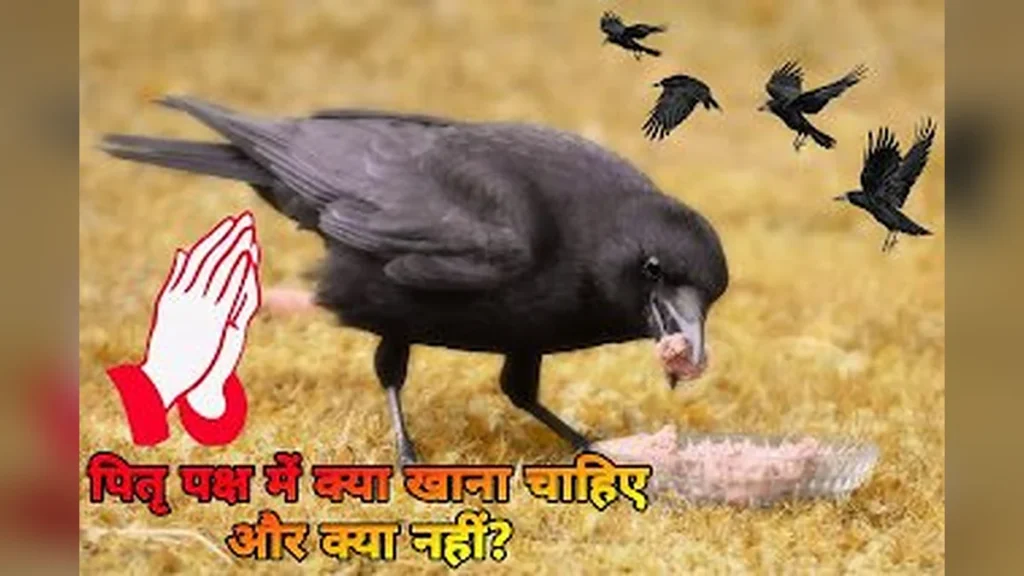
Understanding Pitru Paksha and Its Dietary Significance
Pitru Paksha is a sacred 15-day period in the Hindu calendar dedicated to honoring and remembering departed ancestors. During this time, it is believed that ancestors descend to Earth, and rituals like Tarpan, Pindadan, and feeding Brahmins are performed to express gratitude and seek their blessings. Adhering to specific dietary rules during Pitru Paksha is considered crucial for maintaining purity, pleasing the ancestors, and achieving spiritual peace.
This guide explores the foods that are considered auspicious to consume and those that should be strictly avoided, along with the underlying religious and spiritual reasons for these practices.
What Foods to Eat During Pitru Paksha
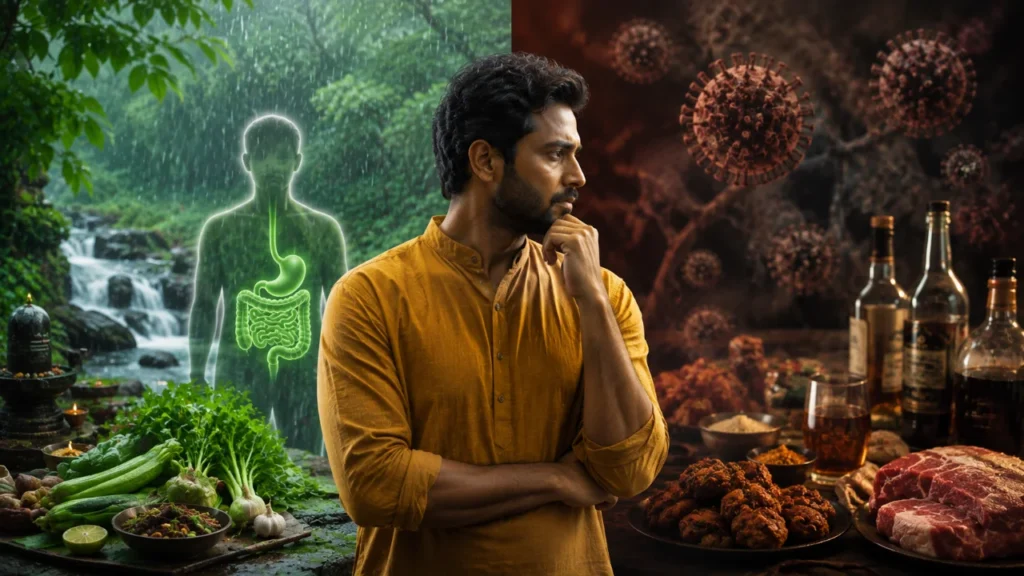
The emphasis during Pitru Paksha is on consuming Sattvic (pure and balanced) foods. These foods are believed to promote mental clarity, calmness, and spiritual energy. Here are some recommended food items:
1. Sattvic Foods for Consumption
- Lentils: Moong dal, Arhar dal (Toor dal), and Urad dal are generally considered acceptable and are easy to digest.
- Vegetables: Seasonal and Sattvic vegetables such as bottle gourd (lauki), ridge gourd (turai), pumpkin, pointed gourd (parwal), okra (bhindi), potatoes, and spinach (palak) are recommended. These should be prepared with minimal oil and spices.
- Grains: Rice (especially white rice), wheat, and barley are suitable. Rice and barley hold special significance in offerings to ancestors.
- Fruits: Seasonal fruits like apples, bananas, guavas, and papayas can be consumed. Fruits are also offered to ancestors.
- Dairy Products: Milk, yogurt, ghee, and paneer are permissible. Cow’s ghee is considered particularly sacred for religious rituals.
- Sweets: Milk-based sweets like kheer (rice pudding), peda, and barfi can be prepared. Kheer is a traditional offering.
- Cooking Oil: Pure mustard oil or desi ghee should be used for cooking.
- Salt: Rock salt (Sendha namak) is often preferred over common salt.
2. Food for Brahmins and Ancestral Offerings
The food prepared for Brahmins and offered to ancestors must be exceptionally pure and Sattvic. It typically includes rice, dal, seasonal vegetables, poori (fried flatbread), and kheer. This food should be prepared with utmost devotion and cleanliness.
3. The Significance of Black Sesame Seeds
Black sesame seeds (Kala Til) play a vital role in Pitru Paksha rituals, particularly in Tarpan and Pindadan ceremonies. While not commonly consumed directly in meals, their use in these rites is essential.
What Foods to Avoid During Pitru Paksha
Certain foods are considered inappropriate or forbidden during Pitru Paksha to maintain spiritual purity and respect for the ancestors. Avoiding these items helps in purifying the mind and body:
1. Tamasic and Impure Foods
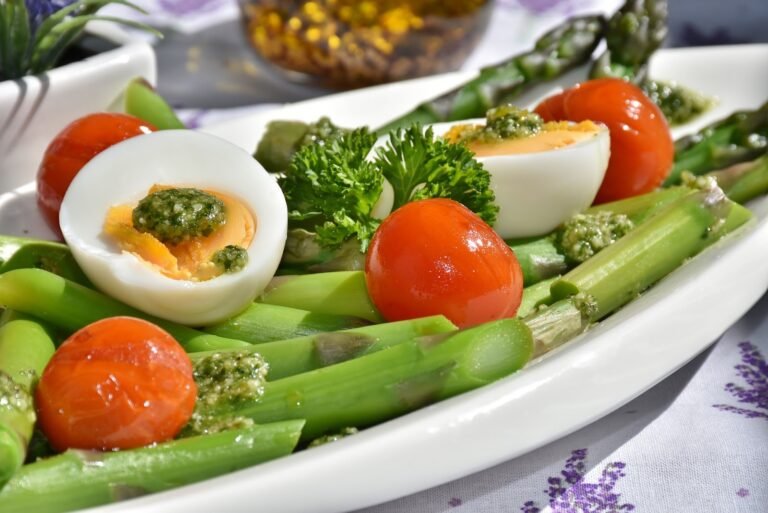
- Non-Vegetarian Food: Meat, fish, eggs, and any form of non-vegetarian food are strictly prohibited as they are considered Tamasic (promoting inertia and ignorance) and unsuitable for religious observances.
- Garlic and Onions: These are also classified as Tamasic and should be avoided.
- Alcohol and Intoxicants: Consumption of alcohol, tobacco, and other intoxicants is forbidden as they cloud the mind and intellect.
2. Certain Grains and Legumes
- Masoor Dal: This lentil is generally avoided.
- Chickpeas: In some traditions, chickpea dal and whole chickpeas are also excluded.
- Heavy Legumes: Rajma (kidney beans) and other heavy legumes should be avoided due to their digestive heaviness, which can lead to lethargy.
3. Outside and Stale Food
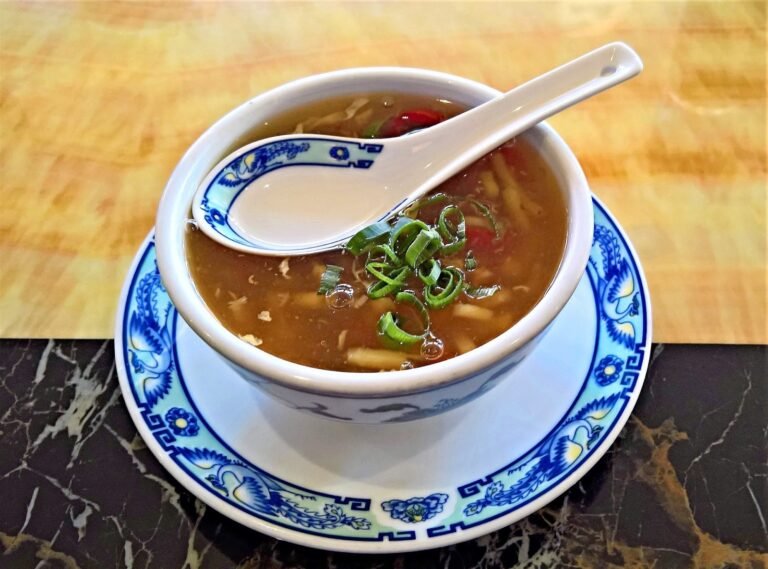
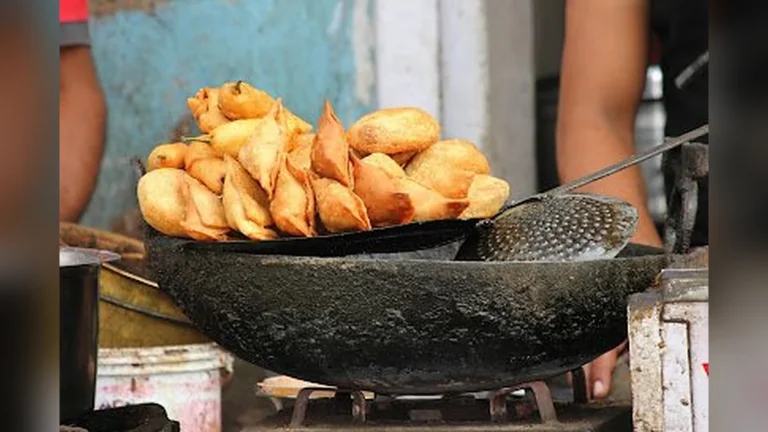
- Outside Food: Food prepared and consumed outside the home, such as from hotels or restaurants, should be avoided.
- Stale Food: Consuming stale food is strictly prohibited. All meals should be freshly prepared.
4. Certain Spices and Vegetables
- Pungent Spices: Excessive use of chili, strong spices, and oil should be avoided. Food should be simple and easily digestible.
- Root Vegetables: Some beliefs suggest avoiding root vegetables like radishes and carrots, especially those grown underground. However, this practice can vary by region.
Other Important Food-Related Rules and Precautions
Beyond specific food items, several other guidelines are observed:
- Purity and Cleanliness: Maintain utmost purity and hygiene while preparing and consuming food. It is advisable to bathe and wear clean clothes before cooking.
- One Meal a Day: Some individuals observe the practice of eating only one meal a day or subsisting on fruits (falahar) to enhance purity.
- Donating Food: Donating food grains according to one’s capacity is considered highly auspicious for the peace of ancestors’ souls.
- Feeding Animals: Offering food to crows, dogs, and cows is considered very meritorious, as it is believed that ancestors partake in this food in these forms.
- Timing of Brahmin Meals: Meals for Brahmins are traditionally served in the afternoon, considered the time for ancestors.
- Devotion and Dedication: Approach the preparation, serving, and consumption of food with a heart full of reverence and devotion towards the ancestors.
Religious Importance of Pitru Paksha Diet
The dietary restrictions during Pitru Paksha are not mere traditions but hold deep religious significance:
- Ancestral Satisfaction: Offering pure and Sattvic food is believed to bring peace and satisfaction to the souls of the departed.
- Receiving Blessings: Satisfied ancestors bestow blessings of prosperity, well-being, and longevity upon their descendants, helping to overcome life’s obstacles.
- Mitigating Pitru Dosha: Adhering to these rules can help reduce Pitru Dosha (ancestral curse) and foster peace within the household.
- Self-Purification: Embracing a Sattvic diet and a disciplined lifestyle aids in self-purification and spiritual growth.
- Karma and Merit: According to religious beliefs, good deeds performed during Pitru Paksha yield manifold benefits.
Conclusion
Pitru Paksha offers a precious opportunity to express respect and gratitude towards our ancestors. Observing the dietary guidelines during this period is not only a religious duty but also a means to purify the mind, body, and soul. By embracing Sattvic foods, abstaining from prohibited items, and remembering our ancestors with sincere devotion, we can receive their blessings and invite peace and happiness into our lives. Ultimately, the purity of intention and genuine reverence for our ancestors are paramount.
Frequently Asked Questions (FAQs)
Q1: What is the main purpose of dietary rules during Pitru Paksha?
The main purpose is to maintain spiritual purity, show respect to ancestors, and create an atmosphere conducive to peace and remembrance. Sattvic foods are believed to aid in this process.
Q2: Can I consume lentils like Urad dal or Masoor dal during Pitru Paksha?
Generally, Moong dal and Arhar dal are recommended. Urad dal is sometimes consumed, but Masoor dal is usually avoided. It’s best to stick to easily digestible dals like Moong and Arhar.
Q3: Is it permissible to eat outside food during Pitru Paksha?
No, it is strongly advised to avoid outside food from hotels or restaurants. Food should be prepared at home with utmost purity and cleanliness.
Q4: Why are garlic and onions avoided during Pitru Paksha?
Garlic and onions are considered Tamasic foods, which are believed to stimulate passion and ignorance. During Pitru Paksha, the focus is on Sattvic qualities, hence their avoidance.
Q5: What is the significance of feeding crows and other animals during Pitru Paksha?
It is believed that ancestors may appear in the form of these creatures to accept offerings. Feeding them is considered a way to appease and honor the departed souls.