
Understanding the Ganesh Chaturthi Moon Sighting Tradition
As Ganesh Chaturthi approaches each year, a common question arises: Is it true that one should not look at the moon on this day? While some people keep their curtains drawn all day, others glance at the moon from their balcony at night and then worry. When faith gives way to fear, the joy of the festival can diminish. This guide aims to provide clarity, not just rumors, along with the correct timings for 2026, so that devotion remains strong and unnecessary anxiety is reduced.
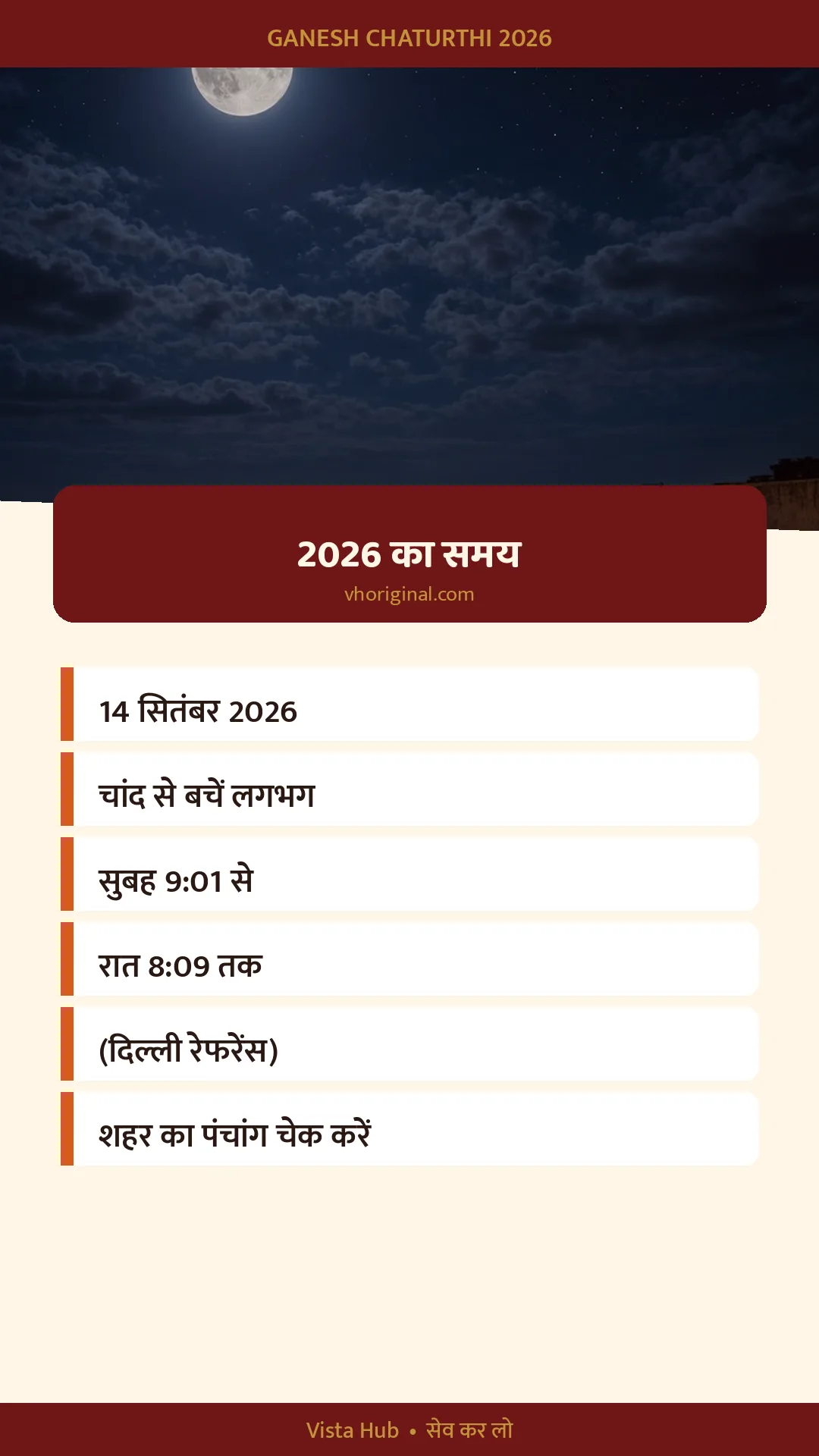
In 2026, Ganesh Sthapana (installation) is on September 14th (Monday). The period considered inauspicious for moon sighting, referencing Delhi, is approximately from 9:01 AM to 8:09 PM. The tithi (lunar day) spans from the morning of September 14th to the morning of September 15th. The midday auspicious time (Madhyahna Muhurat) is roughly from 11:02 AM to 1:31 PM. Remember, the exact timings can vary by a few minutes in different cities, so it’s advisable to consult your local panchang (almanac). For a complete table of dates and timings, refer to the Ganesh Chaturthi 2026 Date and Muhurat guide. This post specifically focuses on the prohibition of moon sighting and the concept of ‘Mithya Dosh’.
Why is Moon Sighting Avoided on Ganesh Chaturthi?
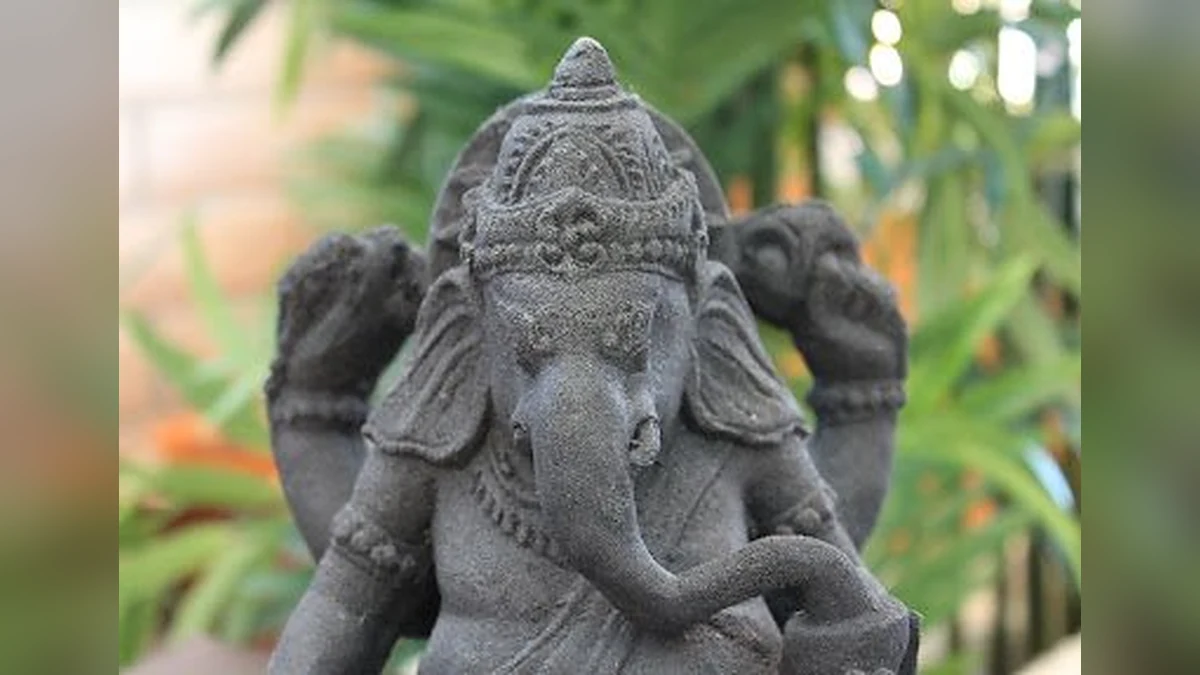
Classical narratives link Lord Ganesha and the moon. In essence, many families consider moon sighting on the Chaturthi tithi inauspicious or associated with ‘Mithya Dosh’. This custom has been passed down through generations, not to instill fear, but as a reminder for caution and self-discipline. When elders in the family say, “Don’t look at the moon today,” they often mean that on this festive day, one should redirect their mind from external curiosity towards prayer, service, and restraint.
In modern urban settings, this rule can seem challenging. The moon might be visible through office windows, car windshields, or even in photos on mobile phones. Therefore, the sensible approach is to consciously avoid looking at the moon. If you happen to catch a glimpse accidentally, do not let it cause distress or ruin your entire day. The essence of devotion is awareness, not guilt. For details on installation rituals and materials, you can refer to the ‘Ganesh Sthapana Puja Vidhi 2026’ guide for a peaceful and orderly puja.
In many households, this rule is strictly observed only on Bhadrapad Shukla Chaturthi (Ganesh Chaturthi day) and is not as stringent on other Chaturthi days throughout the year. However, family traditions can vary. It’s best to respect the customs followed in your own home rather than adopting rules based on external rumors.
FACT: In 2026, Ganesh Sthapana is on September 14th (Monday). The moon sighting prohibition, referencing Delhi, is from 9:01 AM to 8:09 PM (September 14th, 2026). The tithi is approximately from 7:06 AM on September 14th to 7:44 AM on September 15th. The midday muhurat is around 11:02 AM–1:31 PM. Timings may vary by city; consult your local panchang. Avoiding moon sighting intentionally is the custom; do not equate accidental glimpses with deliberate observation.
When to Avoid Moon Sighting in 2026
The most crucial question is: until when should one avoid moon sighting in 2026? According to the Delhi reference, the prohibition window is from 9:01 AM to 8:09 PM on September 14th, 2026. Simply put, avoid actively searching for the moon in the sky from morning until evening. After the prohibition period ends in the evening, the rule might be relaxed according to family traditions, though many households observe caution throughout the entire Chaturthi day. Prioritize the guidance of your elders or priest.
An easy way to remember the timing: refrain from the habit of ‘checking for the moon’ from morning until evening on the day of Sthapana. Stargazing from the balcony, moon stories on social media, or pointing out the rising moon to children – these small actions often lead to breaking the rule. If you are at work or traveling, practical measures include sitting with your back to the window or drawing the curtains. It’s about planning, not fear.
The tithi can extend into the next morning (around 7:44 AM on September 15th in Delhi). Therefore, even after the prohibition ends on the night of the 14th, if your family strictly adheres to the tradition, remain cautious until the morning of the 15th. The immersion (Visarjan) options are September 15th, 16th, 18th, 20th, or 25th, 2026, with the main immersion linked to Anant Chaturdashi on September 25th, 2026. Refer to the ‘Ganpati Visarjan 2026 Schedule’ for details. The moon sighting rule is central to the Sthapana day; the Visarjan day has different considerations.
Once again, the timings mentioned above are based on Delhi. Sunrise and moonrise minutes will differ in Mumbai, Bengaluru, Kolkata, or smaller towns. Therefore, for any final decision, consult your local panchang or a trusted priest. Check your city’s panchang.
What is Mithya Dosh?
Many people hear ‘Mithya Dosh’ translated as “the sin of lying” or “a period of defamation.” In simple terms, families believe that sighting the moon on Ganesh Chaturthi can lead to mental unrest, misunderstandings, or unnecessary blame. This is not a claim backed by scientific lab tests; it is a caution based on faith and mythology. Therefore, it is better to understand it as “a day of restraint” rather than a tale of fear.
The essence of the mythology, as narrated in various sources, involves a story related to the moon’s laughter or insult towards Lord Ganesha, which led to the prohibition of moon sighting on Chaturthi. The details might vary slightly from household to household. The important aspect is that the tradition also teaches us to stay away from tendencies like insult or mockery – meaning, do not ridicule others, and do not harbor ego. This ethical message is also embedded in the festival.
If someone accidentally sights the moon, many traditions suggest reciting Ganesha mantras, performing a prayer for forgiveness, or using remedies involving Tulsi (holy basil) or other religious practices. Family traditions may differ – do not panic based on “guaranteed remedies” found online. Calmly remember Lord Ganesha; you can practice Aarti and mantras using resources like ‘Ganesh Aarti and Mantra 2026’. The fear of the dosh should not overshadow the puja – this balance is called devotion.
Common Mistakes People Make
- Going out to see the moon at night, simply because “the photo will be good.”
- Showing moon-related reels on mobile phones to children without warning them – children tend to imitate.
- Believing a forwarded message as truth without verifying the timings according to one’s city.
- If a mistake occurs, blaming the entire family and spoiling the festive mood.
- Focusing so much on the Sthapana muhurat that the moon-related caution is overlooked – or conversely, leaving the puja incomplete due to fear of the moon. Both are imbalances. Sthapana, offerings, Aarti, and simple restraint can go hand-in-hand in the correct sequence. To avoid other puja mistakes, reading the ‘7 Things to Remember for Ganpati Puja’ can be helpful.
- Imposing rules on neighbors or relatives. Your devotion is personal to your household. You can offer advice, but do not escalate arguments.
- Forgetting other services while only focusing on the prohibition – cleaning the house, simple food offerings, and spending quiet time with family are also part of the festival. Recipes like ‘Ukadiche Modak Recipe’ can be helpful for offerings like Modak.
Handling Children and Elders: How to Be Cautious
Explain to children with understanding and playfulness, not negativity. You can say, “Today is a special day for Bappa’s puja, so instead of looking at the sky, we will offer flowers during the puja.” Engage them at night by telling stories. Simple arrangements like light curtains on windows and closing the balcony door on time are sufficient. Scary stories (“If you see the moon, this will happen”) fill children with unnecessary fear; devotion is sustained by love, not fear.
Elders often strictly adhere to traditions. Respect them. If a family member works in shifts, remind them before they leave in the morning not to intentionally look at the moon during the day. For members in wheelchairs or with low vision, placing a curtain on the window seat beforehand is a practical act of service. The festival is meant to bring the family together – do not make the rule a subject of conflict. If a pregnant woman or a sick member is at home, do not add extra stress. Simple caution is enough. Keep the puja environment calm, the fragrance pleasant, and the crowd controlled. Along with avoiding the moon, health and comfort are also part of dharma.
Managing Sthapana, Puja, and Moon Prohibition Together
September 14th, 2026, will be a busy day – with materials, midday muhurat, guests, and social media. First, create a small checklist: curtain/window plan, explaining to children, puja materials ready, and confirming timings with the local panchang. Those in Delhi can use the 9:01 AM–8:09 PM window as a base; others should open their local panchang. The step-by-step Sthapana method is in the Puja Vidhi guide. During the puja, keep your focus on Bappa. Repeatedly checking your phone for “Has the moon risen?” distracts the mind. Assign one responsible person the task of ensuring no unnecessary visits to the balcony/terrace occur until evening. After the Aarti, the family sitting together to partake in the prasad creates memorable moments, not debates about the moon.
If you are traveling – on a train, plane, or highway – use a curtain or eye shade on the window seat. Intentionally framing the moon for a photo is what needs to be avoided. Understand the difference between an accidental glimpse and deliberate viewing. Many households have a tradition of seeking forgiveness from Lord Ganesha with a calm mind. The complete calendar and Visarjan options are in the pillar article: ‘Ganesh Chaturthi 2026 Date–Muhurat–Visarjan’.
Finally, remember – the essence of the Ganesh Chaturthi tradition of not seeing the moon is restraint and respect. Know the correct timings, consult your city’s panchang, follow your family’s customs, and fill the festival with devotion, not fear. A calm, clean, and devoted day for Bappa’s arrival is the best preparation.
Frequently Asked Questions (FAQ)
1. Why is the moon not seen on Ganesh Chaturthi?
According to tradition and mythology, many families associate moon sighting on Bhadrapad Shukla Chaturthi with Mithya Dosh or mental unrest. It is a faith-based precaution – intentionally avoiding the moon is considered part of the custom.
2. Until when should the moon be avoided in 2026?
Referencing Delhi, the prohibition is approximately from 9:01 AM to 8:09 PM on September 14th, 2026. Timings can vary by city – consult your local panchang.
3. What is Mithya Dosh?
In families, Mithya Dosh is associated with situations like misunderstandings, blame, or mental unrest. In simple terms, it teaches restraint for a day; do not turn it into unnecessary fear.
4. What to do if the moon is accidentally seen?
Do not panic. Many households have a tradition of remembering Ganesha, performing a prayer for forgiveness, or chanting mantras. Consult your family priest/elder and continue the puja with a calm mind.
5. When is Sthapana and what is the midday muhurat?
Sthapana is on Monday, September 14th, 2026. The Delhi reference midday muhurat is approximately 11:02 AM–1:31 PM; the tithi is from about 7:06 AM on Sep 14th to 7:44 AM on Sep 15th. Confirm with your local panchang.
Disclaimer: This article is for general religious-cultural information. Muhurat, dates, moon sighting prohibitions, and local customs may vary according to the panchang and family traditions. Delhi reference timings are indicative – for final decisions, confirm with your city’s panchang and a trusted priest. This is not medical, astrological, or legal advice.




















Share Your Opinion
Comments are closed on this post.