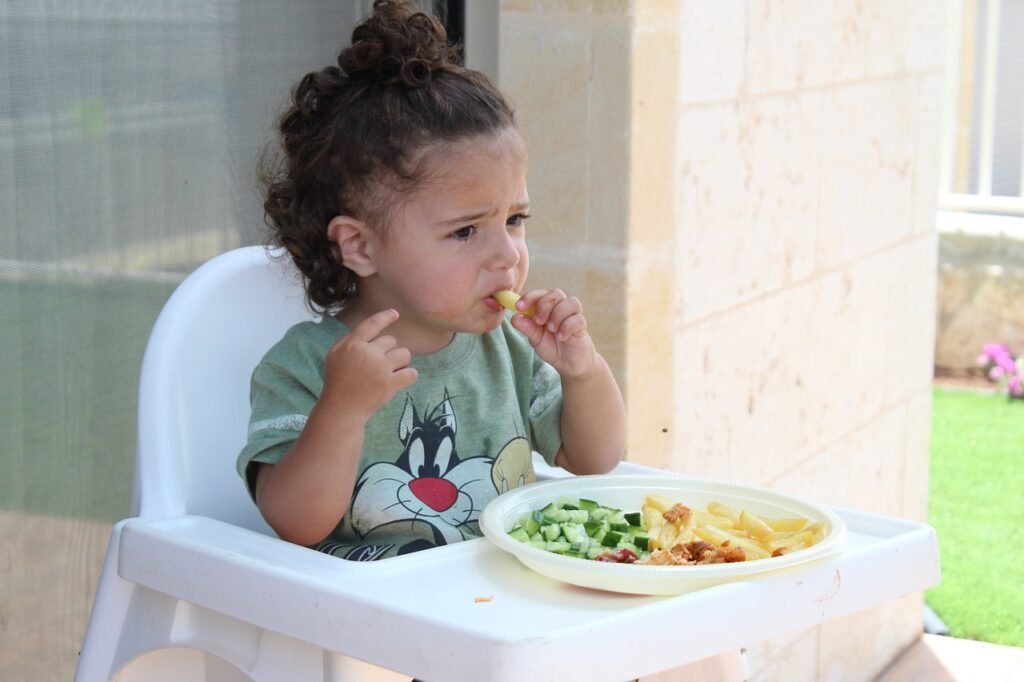
Why Do Children Refuse to Eat? Understanding the Reasons
It’s a common concern for parents when their child shows reluctance to eat, makes faces at food, or eats only a few bites before leaving the table. This can lead to worries about their child becoming weak or hindering their physical and mental development. This challenge is faced by millions of parents worldwide. A child’s refusal to eat can be complex, with various underlying causes. However, with the right knowledge and a bit of understanding, this issue can often be resolved. Here are some effective methods to positively influence your child’s eating habits and encourage them to eat nutritious home-cooked meals.
Common Reasons for a Child’s Picky Eating
Before diving into solutions, it’s crucial to understand why children might refuse food. Several common factors can contribute:
1. Not Accurately Gauging Hunger
Young children have small stomachs and require less food than adults. They might not eat as much as we expect them to. It’s important to recognize their cues and not force them to eat beyond their capacity.
2. Disliking Food Texture or Taste
Some children are sensitive to specific food textures or flavours. This is normal and can change over time as they grow and their palate develops.
3. Distractions
In today’s world, gadgets and television easily divert children’s attention, making it difficult for them to focus on eating.
4. Developmental Stages or Illness
Teething, illness, or significant developmental changes can temporarily reduce a child’s appetite.
5. Feeling Unwell or Tired
When a child is sick or tired, their appetite naturally decreases.
9 Effective Ways to Encourage Your Child to Eat
Now, let’s explore strategies that can encourage your child to eat:
1. Establish a Regular Schedule
Consistent Meal Times: Set fixed times for meals (breakfast, lunch, dinner) and 1-2 small snacks. This helps their body develop a pattern for hunger cues. Avoid constant grazing, especially just before meals, as it can spoil their appetite.
2. Make Food Fun and Appealing
Creative Presentation: Arrange food creatively on the plate. Cut vegetables and fruits into fun shapes like stars, animals, or flowers. Colourful food naturally attracts children.
Use Stories: Tell short, fun stories during meal times or incorporate food into games. For example, ‘This is superhero spinach that will give you strength!’
3. Involve Children in Shopping and Preparation
Let Them Choose (Limited Options): When at the market, let your child choose from a selection of vegetables or fruits. This makes them feel their opinion matters.
Assign Small Tasks: Give children safe, small tasks in the kitchen, like washing vegetables, mixing a salad, or setting the table. When they help prepare something, they are more likely to eat it.
4. Be Patient and Avoid Pressure
Don’t Force: Forcing a child to eat can create a negative association with food. If they refuse, offer it again later.
Positive Atmosphere: Meal times should be pleasant and stress-free. Avoid scolding or threatening.
5. Eliminate Screen Time During Meals
Keep Gadgets Away: Turn off TVs, mobile phones, and tablets during meals. These distract children and prevent them from recognizing how much they’ve eaten.
Family Conversation: Use meal times as an opportunity for family conversation and bonding.
6. Serve Small Portions
Small Amounts, Frequently: Don’t overwhelm children with large portions. Serve small amounts and offer more if they ask. This reduces the pressure to eat a lot.
Let Them Decide: Allow children to decide how much they want to eat from what is offered.
7. Introduce New Foods Gradually
Offer Small Quantities: When introducing a new food, offer a very small amount and pair it with a favourite food.
Multiple Attempts: It can take several tries for children to accept a new taste. Don’t get discouraged; try again after a few days.
8. Offer Healthy Snack Alternatives
Fruits, Yogurt, Nuts: If your child feels hungry between meals, offer healthy options like fruits, yogurt, nuts, or vegetable sticks instead of biscuits or chips.
Limit Drinks Before Meals: Too much milk, juice, or water right before a meal can fill their stomach, leading to less eating during meal times.
9. Be a Role Model and Eat Together
Children Learn by Watching: Children learn from their parents and older siblings. Eat meals together and demonstrate enjoyment of various healthy foods.
Importance of Family Meals: Eating together as a family helps develop good eating habits and provides emotional security.
What NOT to Do When Your Child Refuses Food
Certain actions can worsen a child’s eating habits:
- Bribing or Rewarding: Avoid saying things like, ‘If you eat this, you’ll get chocolate.’ This can make children view food as a reward rather than nourishment.
- Scaring or Punishing: This can create fear around food.
- Using Gadgets: Feeding a child while they watch TV or a mobile phone disconnects them from the eating process.
- Forcing Food: Forcing a child to eat can lead to gagging, vomiting, and a lasting aversion to food.
When to Seek Medical Advice
If you notice your child is consistently losing weight, is very lethargic, or has severe allergies or reactions to specific foods, consult a pediatrician immediately. In some cases, a child might have iron or vitamin deficiencies, requiring medical guidance.
Conclusion
A child’s refusal to eat can be a challenging experience. However, with patience, understanding, and these effective strategies, you can overcome this issue. Remember, every child is different and needs time to learn at their own pace. Most importantly, make meal times a positive and enjoyable experience for your child. Gradually, you’ll see your child not only eating better but also becoming healthier and happier.
FAQs
Q1: My child is a very picky eater, what can I do?
Encourage healthy eating by involving them in meal prep, making food visually appealing, offering choices, and being patient. Avoid pressure and distractions like screens. Consistency with meal schedules and offering healthy snacks are also key.
Q2: How much should a toddler eat?
Toddlers have small stomachs and varying appetites. Focus on offering balanced meals and snacks at regular times. Let them decide how much to eat from the healthy options provided. Don’t compare their intake to other children or adults.
Q3: Is it okay if my child skips a meal?
It’s generally okay if a child occasionally skips a meal, especially if they aren’t showing signs of hunger or are unwell. Focus on their overall intake over a week rather than stressing about a single missed meal. Ensure they have healthy options available for the next meal or snack.
Q4: My child only eats junk food, how can I introduce healthy options?
Start by offering small portions of healthy foods alongside their preferred foods. Make healthy foods fun and appealing through presentation. Be a role model by eating healthy yourself. It may take multiple exposures for a child to accept new tastes.
Q5: When should I worry about my child not eating enough?
You should consult a pediatrician if your child is consistently losing weight, shows significant lethargy, has developmental delays, or exhibits signs of nutritional deficiencies. If you have persistent concerns about their growth and well-being, professional medical advice is recommended.