What is a Balanced Diet?
A balanced diet is a meal plan that includes all essential nutrients – carbohydrates, proteins, fats, vitamins, minerals, fiber, and water – in the correct amounts and proportions. It ensures your body has the energy and building blocks for daily activities, tissue repair, immune function, and disease prevention. Modern diets often rely on convenience foods high in calories but low in nutrients. A balanced diet emphasizes natural, nutritious foods for internal strength.
Key Components of a Balanced Diet
Understanding these nutrients is crucial for a healthy diet:
1. Carbohydrates
Role: The primary source of energy for the body, fueling the brain and muscles. Complex carbohydrates (whole grains, legumes) provide sustained energy, while simple carbohydrates (sugar, white bread) offer quick but short-lived energy.
Sources: Whole grains (wheat, millets, barley, brown rice), oats, lentils, beans, potatoes, sweet potatoes, fruits.
2. Proteins
Role: The body’s building blocks, essential for muscle, bone, skin, and hair formation and repair, as well as hormone production.
Sources: Lentils, paneer (Indian cheese), milk, yogurt, eggs, chicken, fish, soybeans, tofu, nuts, seeds.
3. Fats
Role: Provide energy, aid in the absorption of fat-soluble vitamins (A, D, E, K), and protect organs. Healthy fats (monounsaturated and polyunsaturated) are good for the heart, while unhealthy fats (trans fats, saturated fats) can be harmful.
Sources: Nuts, seeds, avocados, olive oil, mustard oil, ghee (in moderation).
4. Vitamins
Role: Micronutrients that regulate various bodily functions and strengthen the immune system.
Sources: Fresh fruits, vegetables (especially leafy greens), dairy products.
5. Minerals
Role: Important for building bones and teeth, maintaining fluid balance, and nerve function. Key minerals include calcium, iron, potassium, and zinc.
Sources: Milk, cheese, leafy green vegetables, lentils, dry fruits, seafood.
6. Fiber
Role: Keeps the digestive system healthy, prevents constipation, helps regulate blood sugar, and can lower cholesterol.
Sources: Whole grains, fruits, vegetables, legumes.
7. Water
Role: Regulates body temperature, transports nutrients, flushes out toxins, and lubricates joints.
Sources: Water, fruit juices, soups, coconut water.
How to Create Your Balanced Diet Chart
An effective balanced diet chart is based on individual needs. Here are some steps:
1. Understand Your Individual Needs
- Age and Gender: Nutritional requirements vary for children, adolescents, adults, and the elderly, as well as between men and women.
- Physical Activity Level: Highly active individuals (athletes, those in physically demanding jobs) need more calories and protein.
- Health Goals: Are you aiming for weight loss, weight gain, or managing a specific health condition (like diabetes or high blood pressure)?
- Existing Health Conditions: If you have any health issues, consulting a doctor or dietitian is advisable.
2. Design Your Plate Smartly
Apply the ‘My Plate’ concept to your Indian meals:
- Half Plate Fruits and Vegetables: Include a variety of colorful fruits and vegetables in every meal for vitamins, minerals, and fiber.
- Quarter Plate Whole Grains: Whole grains like rice, roti, millets, and oats are crucial for energy. Opt for brown rice and multigrain roti over white rice and refined flour.
- Quarter Plate Protein: Include protein sources like lentils, paneer, eggs, chicken, fish, soy, or tofu for muscle building and repair.
- Dairy or Alternatives: Milk, yogurt, buttermilk, or plant-based alternatives provide calcium and other nutrients.
3. Set Regular Meal Times
Distributing meals into smaller, frequent portions throughout the day is beneficial. Three main meals (breakfast, lunch, dinner) with 1-2 healthy snacks can keep your metabolism active and prevent overeating.
An Example Balanced Diet Chart
This is a general example; adjust it according to your needs:
Breakfast
- Option 1: A bowl of oats/dalia with milk and some dry fruits + a seasonal fruit.
- Option 2: 2 multigrain rotis/brown bread + dal/paneer bhurji/egg scramble + yogurt.
- Option 3: Poha/Upma with plenty of vegetables + a glass of buttermilk.
Mid-Morning Snack
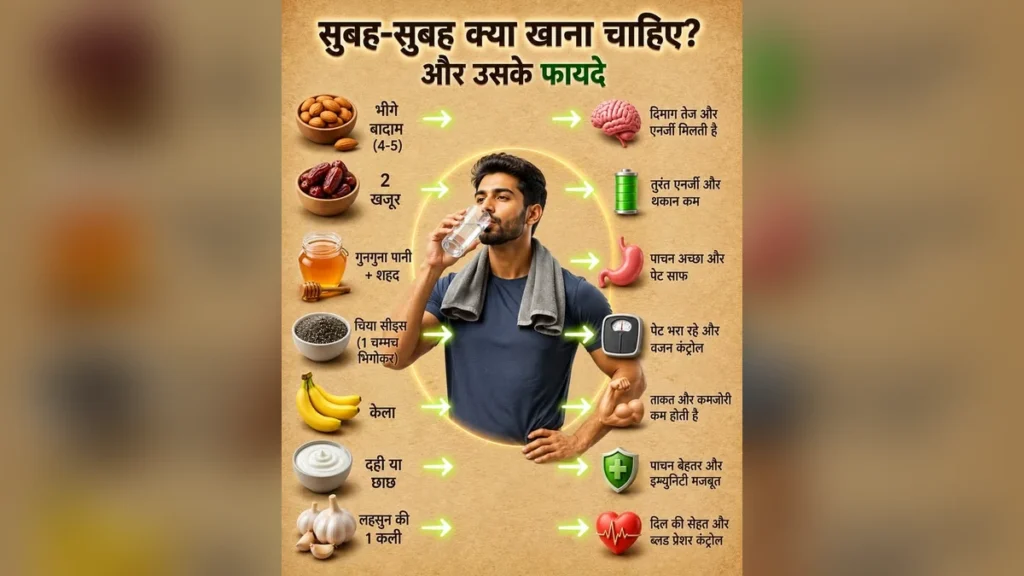
A fruit (apple, banana, orange) or a handful of nuts (almonds, walnuts).
Lunch
2 multigrain rotis/a bowl of brown rice + a bowl of dal + a bowl of green vegetable + a bowl of yogurt/salad.
Evening Snack
Roasted chana/peanuts + tea (low sugar) or green tea. Vegetable/fruit soup.
Dinner
1-2 multigrain rotis/a bowl of dalia + a bowl of dal/paneer/vegetable + salad. (Keep dinner light and at least 2-3 hours before bedtime).
Throughout the Day
Drink at least 8-10 glasses of water.
Common Questions and Myths about Balanced Diet
Myth: Dieting means starving yourself.
Truth: A balanced diet involves eating the right foods in the right quantities, not starving.
Myth: Eating rice leads to weight gain.
Truth: Rice is a good source of energy. The quantity and type (prefer brown rice) are important.
Myth: Healthy food is expensive.
Truth: Seasonal fruits, vegetables, lentils, and local grains are often affordable and nutritious.
Long-term Benefits of a Balanced Diet
A balanced diet offers more than just weight management or energy:
- Healthy Weight Management: Helps maintain a healthy body weight.
- Increased Energy and Productivity: You feel energetic throughout the day and perform better.
- Disease Prevention: Reduces the risk of diabetes, heart disease, high blood pressure, and certain cancers.
- Improved Mental Health: Healthy food can enhance mood and cognitive functions.
- Stronger Immune System: Your body fights off illnesses and infections more effectively.
- Healthier Skin and Hair: A nutrient-rich diet contributes to glowing skin and strong hair.
Conclusion
A balanced diet chart is the foundation for a healthy and happy life. It’s a flexible guide that can be adapted to your lifestyle and preferences. Start with small changes, listen to your body, and prioritize nutrition. Remember, health is a journey, and a balanced diet is its most crucial part.
Frequently Asked Questions
What is the main goal of a balanced diet?
The main goal is to provide your body with all the essential nutrients it needs to function optimally, maintain health, and prevent diseases.
How can I make my diet more balanced if I eat a lot of convenience food?
Start by gradually replacing processed items with whole foods. Add more fruits and vegetables to your meals, choose whole grains over refined ones, and opt for lean protein sources. Small, consistent changes are key.
Is it necessary to count calories for a balanced diet?
While calorie awareness can be helpful, a balanced diet focuses more on the quality and proportion of nutrients. Focusing on nutrient-dense foods often naturally helps manage calorie intake.
What are some affordable balanced diet options in India?
Lentils (dal), seasonal vegetables, whole grains like millets and brown rice, eggs, and yogurt are nutritious and budget-friendly staples in India.
How much water should I drink daily for a balanced diet?
Aim for at least 8-10 glasses (about 2-2.5 liters) of water per day. This can vary based on activity level, climate, and individual needs.