The Monsoon Shift: From Indulgence to Abstinence
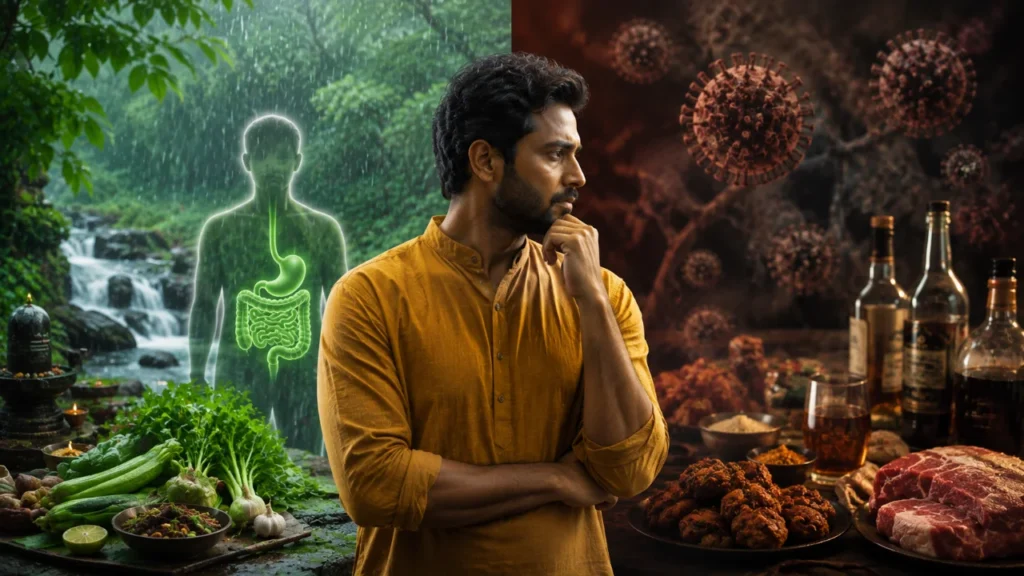
As the monsoon rains arrive, bringing with them a sense of calm and cooler temperatures, many households observe a significant shift in their culinary habits. The aroma of sizzling meats and the clinking of glasses, often appealing during this season, are replaced by simpler, sattvic meals. This tradition of abstaining from non-vegetarian food and alcohol during the month of Sawan is deeply ingrained in Indian culture. While often attributed to religious beliefs, there’s a compelling scientific basis rooted in ancient wisdom and modern understanding of health and the environment.
Monsoon’s Impact on Digestion and Metabolism
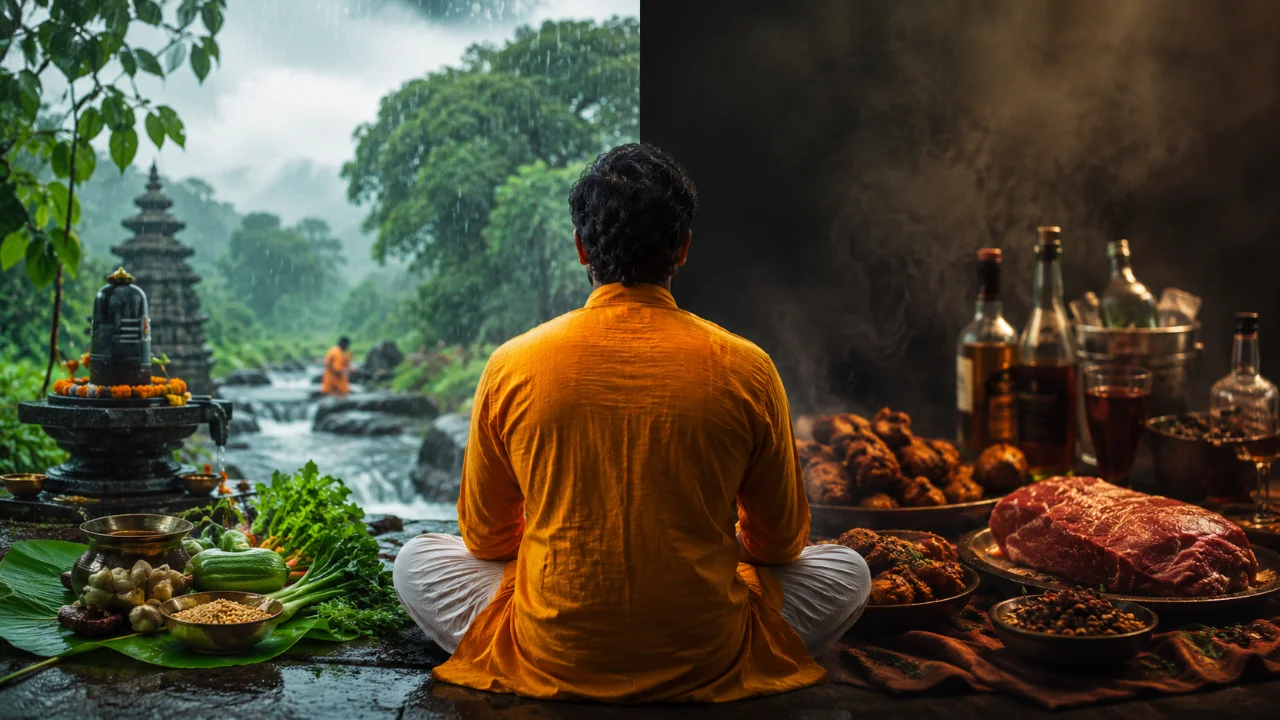
The monsoon season brings increased humidity and reduced sunlight. This environmental shift directly impacts our body’s metabolism. According to Ayurveda, the digestive fire, known as ‘Jatharagni,’ weakens during this period. Modern science corroborates this, explaining that lower sunlight levels can decrease the secretion of serotonin and digestive enzymes, leading to a slower digestive system. Consuming heavy, protein-rich foods like meat and fish during this time can be taxing, as the body struggles to digest them efficiently. This can lead to issues like acidity, bloating, and indigestion. Therefore, opting for lighter, easily digestible foods is a proactive approach to maintaining gut health during the monsoons.
The Risk of Contamination: Waterborne Diseases and Meat
Monsoon is also a breeding ground for bacteria and microorganisms. Increased moisture and contaminated water sources can lead to a surge in waterborne diseases. Animals and birds may consume contaminated water and grass, increasing the risk of pathogens entering the food chain. When purchasing meat during this season, the likelihood of it being contaminated with bacteria like ‘Salmonella’ and ‘E. coli’ increases significantly. Open-air markets, exposed to flies and fungus, further elevate the risk of spoilage. Additionally, many aquatic creatures, including fish, are in their breeding season during Sawan. Consuming them during this period can pose a higher risk of food poisoning, allergies, and skin issues due to hormonal changes and the presence of eggs in their systems.
Alcohol and Dehydration During Sawan
The notion that a few drinks are harmless during the monsoon is a misconception. Alcohol, in general, is dehydrating, and this effect is amplified during the rainy season when we tend to feel less thirsty, leading to a baseline lower water level in the body. Consuming alcohol puts additional strain on the liver, which is already working harder to process toxins in a season where the immune system might be compromised. Furthermore, alcohol can increase uric acid levels, potentially exacerbating joint pain and gout. From an Ayurvedic perspective, alcohol is considered ‘tamasic,’ which can worsen the mental sluggishness and low mood often associated with cloudy monsoon days, impacting the nervous system.
Ancient Wisdom and Preventive Healthcare
The practices observed during Sawan are not mere superstitions but rather a form of advanced preventive healthcare passed down through generations. Ancient texts like the Shrimad Bhagwat and Shiv Purana emphasize the importance of ‘Ritucharya’ (seasonal regimen). The story of Lord Shiva consuming ‘Halahal’ poison from the Samudra Manthan and its cooling by water offerings symbolizes the need to consume cooling, light, and pure substances during the monsoon to pacify internal heat and toxins. By adhering to a sattvic diet, individuals align with nature’s rhythm, promoting longevity and well-being, a principle that has sustained human civilization for millennia.
The Benefits of a Month-Long Detox
For those who question the impact of a single month’s dietary change, modern science offers a clear answer: it makes a significant difference. The Sawan period serves as a much-needed ‘detoxification’ or ‘servicing’ time for our digestive system. Continuous consumption of heavy, oily, and spicy foods throughout the year puts a strain on the liver and intestines. Abstaining from such foods for about 30 days allows the internal lining of the intestines to repair and rejuvenate. This break aids in blood purification, enhances skin health, and can help in reducing elevated cholesterol levels. It’s a natural and cost-effective way to reset your body’s systems.
FAQs About Sawan Restrictions
Can you eat eggs during Sawan?
It is generally advised to avoid eggs during Sawan. The risk of infections in poultry increases during the monsoon, and eggs are considered ‘heating’ in nature, which can contribute to acidity and skin issues with a compromised digestive system.
Should leafy green vegetables be avoided in Sawan?
Yes, according to Ayurveda, it’s advisable to avoid leafy greens like spinach and fenugreek during Sawan. The humid conditions can lead to the presence of tiny insects and bacteria on these vegetables, which are difficult to remove completely even after thorough washing.
What to do if you accidentally consume non-veg during Sawan?
If you accidentally consume non-vegetarian food, don’t panic. Drink plenty of lukewarm water, consume a concoction of ginger and ajwain, and stick to a light, easily digestible diet for the next 24 hours to ease the burden on your digestive system.
Is there a connection between Sawan fasts and detoxification?
Yes, observing fasts like Sawan Somvar or consuming a single meal (‘falahar’) during this period provides an opportunity for the body’s metabolism to improve. It acts as a natural and scientific method for cleansing the intestines.
Disclaimer: The information provided in this article is for general awareness only.