What is the Biggest Cause of Unemployment? The Full Story of Skills, Education, and the Changing Market
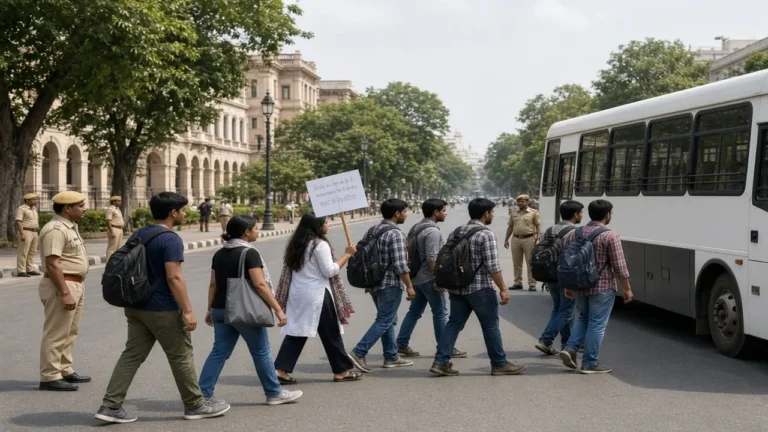
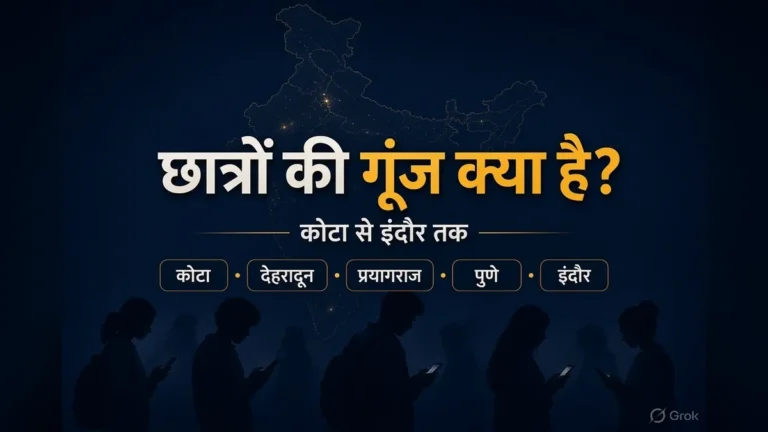
In today’s world, unemployment has become a significant challenge, affecting not only India but many parts of the globe. Every year, millions of young people complete their education and enter the job market, only to face disappointment. This serious problem impacts individuals, society, and the economy. We often wonder about the primary reasons for unemployment: is it just a lack of opportunities, or are there deeper causes? Let’s explore the key factors contributing to unemployment in modern times and how we can tackle this issue.
Is a Degree Enough? Traditional Education vs. Modern Skills
In the past, a good degree was often seen as a guarantee of employment. However, this perception has changed. Today, many young individuals are earning advanced degrees but still struggle to find work that matches their qualifications or aspirations. A major reason for this is a ‘lack of skills’ or ‘skill deficit’.
The Gap Between Theoretical Knowledge and Practical Skills
Our education system often prioritizes theoretical knowledge over practical application. Achieving good marks in exams is frequently considered the sole measure of success. However, in the real world, companies and industries need employees who possess not only theoretical understanding but also the ability to apply that knowledge practically. For instance, an engineer needs more than just theoretical knowledge; they require hands-on experience with practical projects. Similarly, a marketing graduate needs to understand digital marketing tools and customer psychology, not just marketing principles.
Demands of the Evolving Workplace
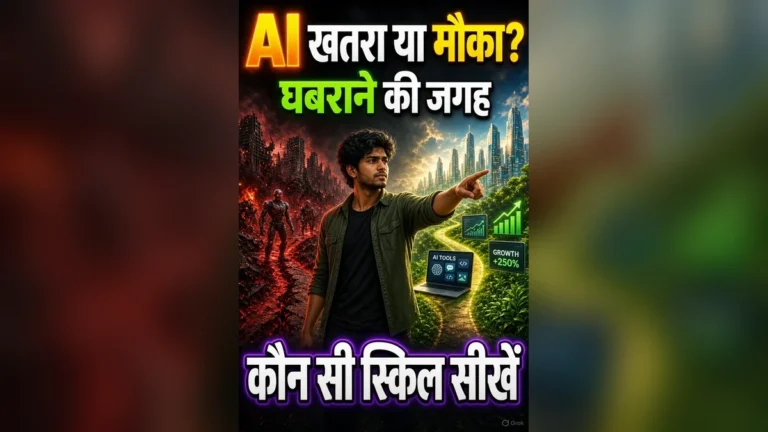
The modern workplace is undergoing rapid transformation. Automation, Artificial Intelligence (AI), and digital technologies have rendered many old jobs obsolete while creating new ones. Consequently, young people lacking proficiency in new technologies and soft skills—such as problem-solving, critical thinking, communication, and teamwork—risk falling behind in the job market.
Population Growth and Limited Opportunities
In densely populated countries like India, population growth is a significant contributor to unemployment. Every year, millions join the workforce, but employment opportunities do not expand at a proportional rate. This intensifies competition, with millions of candidates vying for limited positions.
Economic Slowdowns and Lack of Investment
Global and national economic downturns directly impact job creation. During economic slowdowns, companies become hesitant to invest, postpone expansion plans, and sometimes resort to layoffs. This reduces new job opportunities and threatens existing ones. Government policies and the ease of doing business also influence investment.
The Impact of Automation and Artificial Intelligence (AI)
While technological advancements simplify life, they also pose a threat to certain jobs. The use of robots in factories, chatbots in customer service, and AI in data analysis are examples where machines have either eased human tasks or replaced them. Individuals without the skills to work alongside these new technologies may face job insecurity.
Government Policies and Job Creation
Government policies play a crucial role in job creation. If governments fail to promote Small and Medium Enterprises (SMEs), support startups, and foster a conducive business environment, employment opportunities may dwindle. Policies aimed at skill development and education sector reforms are also vital.
Lack of Entrepreneurship or Challenges
In many societies, there’s a greater tendency to be a job-seeker rather than a job-creator. A lack of a robust ecosystem to promote entrepreneurship can also contribute to unemployment. Startups often face challenges with initial funding, mentorship, and government support, hindering their growth. If more young people become entrepreneurs, they can create jobs not only for themselves but also for others.
Moving Towards Solutions: Effective Ways to Combat Unemployment
Unemployment is a multifaceted problem, and its solutions must also be comprehensive. We need to work on multiple fronts simultaneously:
Emphasis on Skill Development
- Vocational Training: Young people should be equipped with marketable skills beyond just degrees. Institutions like ITIs and Polytechnics need to be updated to meet modern demands.
- Lifetime Learning: In today’s world, learning doesn’t stop after initial education. We must adopt a culture of lifelong learning and continuously acquire new skills.
Reforming the Education System
- Industry-Academia Collaboration: Universities and colleges should collaborate with industries to design curricula that align with the real needs of the job market.
- Experiential Learning: Emphasis should be placed on practical training, internships, and project-based learning alongside theoretical knowledge.
Promoting Entrepreneurship
- Startup Support: Government and the private sector should provide financial aid, mentorship, and incubation facilities to startups.
- Risk-Taking Culture: It’s important to inspire young people towards entrepreneurship and encourage them to take calculated risks.
Government Initiatives
- Employment-Oriented Policies: Governments must formulate policies that attract investment, boost industries, and encourage job creation.
- Skill India Programs: Initiatives like ‘Skill India’ need to be made more effective and targeted to deliver the skills that are truly in demand.
A Holistic Approach is Needed
Ultimately, it’s crucial to understand that there isn’t one single ‘biggest cause’ of unemployment. Instead, it’s a complex web of interconnected factors. Skill shortages, population pressure, economic instability, technological shifts, and policy impacts all contribute to the deepening problem of unemployment. Addressing this challenge requires a holistic approach where the government, educational institutions, industries, and young people themselves work together. With the right skills, the right mindset, and the right opportunities, we can certainly find solutions and offer a brighter future to our youth.
FAQs
- What is the main reason for unemployment today?
The main reasons for unemployment today are a combination of factors including a mismatch between the skills acquired through education and the skills demanded by the job market, rapid technological changes like automation, economic slowdowns, and population growth outpacing job creation. - How does education relate to unemployment?
While education is important, a degree alone is often insufficient. If the education system doesn’t equip students with practical, in-demand skills and adaptability, graduates may struggle to find employment, leading to educated unemployment. - What is the role of automation in unemployment?
Automation and AI are transforming industries by taking over repetitive or predictable tasks. This can lead to job displacement for workers whose roles are automated, highlighting the need for upskilling and reskilling in areas that complement technology. - How can individuals improve their employability?
Individuals can improve their employability by continuously learning new skills, focusing on practical application of knowledge, developing soft skills like communication and problem-solving, seeking internships, and staying updated with industry trends. - What can the government do to reduce unemployment?
The government can reduce unemployment by implementing policies that encourage investment and business growth, promoting skill development programs, reforming the education system to align with industry needs, and supporting entrepreneurship.