
Understanding the Fear of Death When Quitting Alcohol
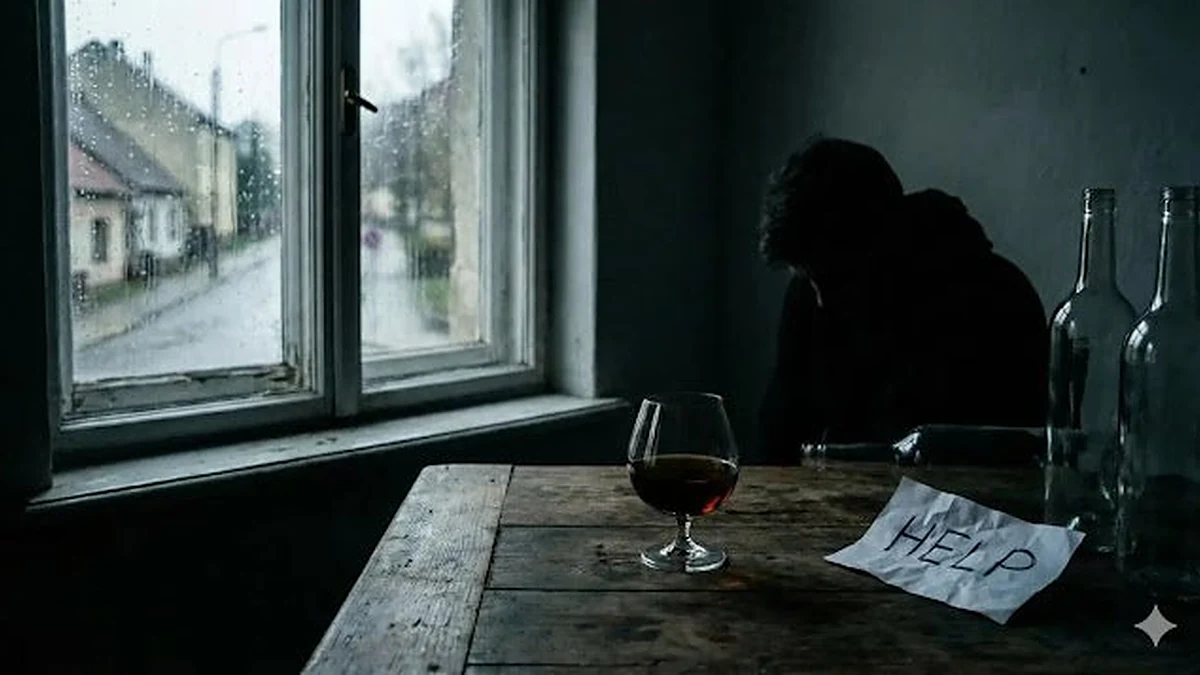
For many, the decision to quit drinking is fraught with a profound and terrifying fear – the fear of death. This isn’t just a psychological hurdle; it’s a deeply ingrained response stemming from the body’s and mind’s dependence on alcohol. The experience can feel like standing on the precipice of oblivion, a sensation that outsiders often struggle to comprehend. They see quitting as a simple act of cessation, like giving up a habit. However, for the individual, it’s a battleground where the body rebels, the mind becomes an adversary, and life itself feels precariously balanced.
Why Does Quitting Alcohol Evoke the Fear of Death?
The intense fear of death associated with alcohol cessation arises from a complex interplay of physical and psychological factors. Understanding these is crucial for confronting and overcoming this formidable challenge.
1. Physical Withdrawal Symptoms
When alcohol is removed, the body undergoes significant physiological changes, leading to a range of withdrawal symptoms that can be alarming:
- Tremors and Sweating: The body’s reaction to the absence of alcohol often includes uncontrollable shaking and profuse sweating. This can create a feeling of losing control over one’s own body.
- Rapid Heartbeat and High Blood Pressure: Alcohol withdrawal can cause a sudden increase in heart rate and blood pressure. This can trigger intense anxiety and the fear of a heart attack or stroke.
- Seizures: In severe cases, abrupt alcohol cessation can lead to epileptic seizures. This experience is terrifying and can make individuals feel as though they are on the brink of death.
- Delirium Tremens (DTs): This is the most dangerous phase of alcohol withdrawal. It can manifest as confusion, hallucinations (seeing or hearing things that aren’t there), high fever, and seizures. DTs are life-threatening and can be fatal without immediate medical intervention. This is often when the fear of death feels most real.
2. Mental and Emotional Turmoil
Beyond the physical, the psychological impact of alcohol withdrawal is equally profound:
- Intense Anxiety and Panic Attacks: Alcohol withdrawal disrupts brain chemistry, leading to heightened anxiety and panic attacks. Individuals may feel they cannot breathe or that something terrible is about to happen.
- Depression and Hopelessness: Alcohol often serves as a coping mechanism to numb emotions. When it’s removed, suppressed feelings of sadness, despair, and emptiness can surface, making life feel meaningless.
- Sleep Disturbances and Nightmares: Insomnia and disturbing nightmares are common, further deteriorating mental well-being and exacerbating fear.
- Fear of Losing Control: Individuals struggling with alcohol dependence often feel a loss of control over their drinking. When they try to quit, this can extend to a broader fear of losing control over their lives, increasing feelings of insecurity and dread.
Facing the Fear: More Than Just a Mental State
It’s vital to recognize that the fear of death during alcohol withdrawal is not solely a psychological construct. It’s a complex manifestation of physiological and psychological processes that can, in severe instances, pose a genuine threat to life. For long-term drinkers, alcohol often dictates their entire existence. The constant preoccupation with obtaining and consuming alcohol overshadows other aspects of life. When this anchor is removed, it leaves a void filled with uncertainty and amplified fear.
How to Navigate This Fear and Achieve Recovery
The journey to overcome alcohol dependence and the associated fear of death is challenging but achievable with the right approach and support.
1. Seek Professional Medical Supervision
The most critical first step is to consult a doctor or enter a de-addiction center. Medical professionals can assess your condition and provide necessary medications to manage withdrawal symptoms safely. Medical supervision is essential for preventing life-threatening complications like DTs and ensuring a smoother detoxification process. Never attempt to quit alcohol alone, especially if you have a history of heavy, long-term drinking.
2. Access Mental Health Support
- Therapy and Counseling: A trained therapist can help you understand and address the underlying reasons for your alcohol use. Therapies like Cognitive Behavioral Therapy (CBT) are effective in managing anxiety, depression, and fear.
- Support Groups: Organizations like Alcoholics Anonymous (AA) offer invaluable peer support. Connecting with others who share similar experiences can reduce feelings of isolation and provide motivation. Hearing their stories and sharing your own can be incredibly empowering.
3. Embrace Positive Lifestyle Changes
- Balanced Diet: Nourishing your body with healthy foods aids in physical recovery and boosts energy levels.
- Regular Exercise: Physical activity is a powerful stress and anxiety reliever. It releases endorphins, which naturally improve mood.
- Adequate Sleep: Prioritizing good sleep is fundamental for both mental and physical health. Establish a relaxing bedtime routine.
- Mindfulness and Meditation: These practices can help calm the mind, focus on the present moment, and reduce feelings of fear and anxiety.
4. Build a Strong Support System
Lean on family, friends, and other supportive individuals. Communicate your feelings, share your struggles, and allow them to help you. Distance yourself from people who encourage or enable drinking.
5. Practice Patience and Self-Compassion
Recovery is a marathon, not a sprint. There will be ups and downs. Be kind to yourself. If you experience a relapse, view it as a learning opportunity and recommit to your recovery. Every small step forward counts.
Your Journey to a New Beginning
The fear of death when quitting alcohol is a real and potent experience, but it does not have to be your end. With the right support, dedication, and perseverance, this fear can be overcome. This journey is not just about quitting alcohol; it’s about embarking on a new, healthier, and happier life. A life where each morning is met with hope for new possibilities, not dread of mortality. Seek help, embrace support, and prepare for a brighter future.
Expert Advice: Navigating the Fear
When the fear of death looms large during alcohol cessation, remember it’s not just in your head. Your body is reacting intensely. The most crucial advice is: don’t face this battle alone. This is a significant struggle, and professional help is indispensable. Connect with a doctor or visit a de-addiction center. They are equipped to manage withdrawal symptoms safely, ensuring the fear doesn’t become life-threatening. Joining support groups is also vital. Hearing from others who have navigated similar challenges can show you that you are not alone. Recovery takes time, and there will be setbacks, but this investment in yourself will transform your life. Once this fear subsides, the peace and happiness you’ll experience are immeasurable. Go for it!






आपकी राय क्या है?
इस पोस्ट पर राय अभी बंद हैं।