The Daily Battle: Why ‘Just One More’ Happens
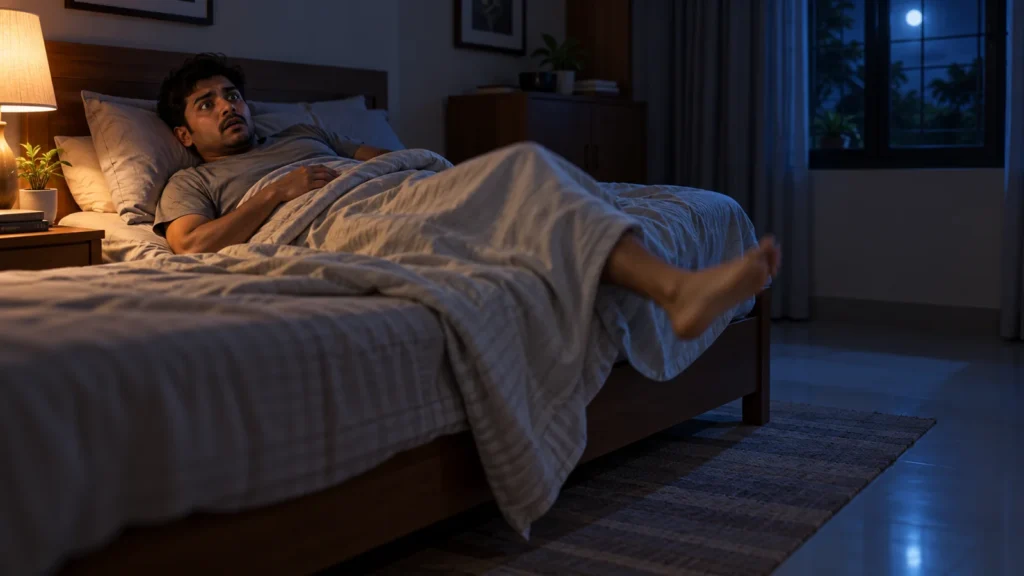
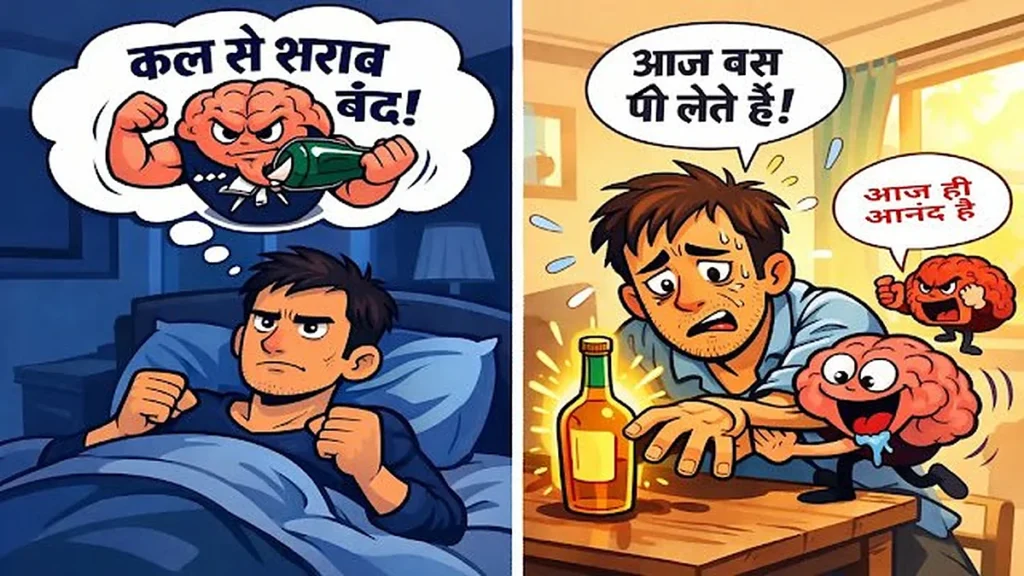
You make a solemn promise at night: “Tomorrow, I’ll stop.” But by morning, a different voice whispers, “Just today, one last time.” This isn’t a sign of weakness; it’s your brain’s wiring being altered by alcohol. The human brain, a marvel of complexity, can become ensnared in its own trap when it comes to addiction. The same mind that vows to quit is the one that rationalizes drinking again. This internal conflict—the promise-maker, the promise-breaker, the self-recriminator—all reside within the same brain, indicating a loss of control driven by changes in brain chemistry, not a lack of willpower.
The Two Brains at War: Prefrontal Cortex vs. Limbic System

The feeling that your “brain is playing tricks” is actually a battle between two key parts of your brain: the Prefrontal Cortex and the Limbic System.
- Prefrontal Cortex (The Logical Brain): Located behind your forehead, this is your decision-making center. It considers consequences, plans for the future, and understands that drinking can harm your liver. When guilt is high, especially at night, this part is active, prompting vows to quit.
- Limbic System (The Animal Brain): This is an older, more primal part of your brain responsible for emotions, desires, and immediate gratification. Its motto is “I want it now.” It doesn’t process logic. Cravings originate here.
Chronic alcohol consumption weakens the Prefrontal Cortex while strengthening the Limbic System. In the morning, logic often loses to the powerful drive of cravings. This is why the urge to drink can feel overwhelming upon waking.
An Unfair Fight: Why Willpower Isn’t Enough
Think of the Prefrontal Cortex as a new recruit and the Limbic System as a seasoned general. When a craving hits, the experienced general can overwhelm the new recruit in seconds. Telling someone to “just strengthen their willpower” is often ineffective. True recovery requires more substantial tools: medical assistance, counseling, and a strong support system.
The Dopamine Deception: How Your Brain Gets Hijacked
Your brain is wired to seek pleasure and reward. Natural activities like eating, exercising, or achieving goals trigger the release of dopamine, a feel-good neurotransmitter. Alcohol hijacks this system by flooding the brain with dopamine—often 2 to 10 times more than natural sources. Your brain begins to perceive alcohol as essential for survival, akin to food or water. This is the genesis of addiction.
Over time, two critical changes occur:
- Dopamine Receptor Downregulation: Your brain reduces the number of dopamine receptors to cope with the excessive flood. This means you need more alcohol to achieve the same feeling of pleasure, and everyday joys feel muted without it.
- Tolerance: You require larger amounts of alcohol to feel the initial effects. What once took two drinks might now require six.
The Guilt Loop: A Vicious Cycle of Shame
After drinking, dopamine levels drop, and cortisol (the stress hormone) rises, creating a damaging cycle: a trigger (stress, loneliness) leads to drinking, providing temporary relief. This is followed by intense guilt and shame, which increases stress, leading to more drinking. Many people drink not for pleasure, but to escape the discomfort caused by the previous night’s alcohol consumption. Crying after drinking is often part of this cycle.
GABA and Glutamate: The Brain’s Brakes and Accelerator
Alcohol profoundly affects two other crucial brain chemicals: GABA and Glutamate, which play a significant role in withdrawal symptoms.
- GABA (The Calming Agent): Alcohol enhances GABA’s inhibitory effects, leading to feelings of relaxation and reduced tension. With chronic use, the brain adapts by producing less GABA naturally, relying on alcohol to achieve calm. When alcohol is removed, the lack of GABA results in severe anxiety, restlessness, and panic attacks.
- Glutamate (The Excitatory Agent): Alcohol suppresses Glutamate, slowing down brain activity. Upon abrupt cessation, Glutamate levels surge, causing overstimulation—like pressing the accelerator without brakes.
The combination of low GABA and high Glutamate during withdrawal can lead to tremors, rapid heart rate, severe anxiety, and, in extreme cases, seizures or Delirium Tremens. This is why withdrawal can feel life-threatening and why sudden cessation is dangerous for heavy drinkers without medical supervision.
Brain Shrinkage: The Physical Toll of Alcohol
Long-term, heavy alcohol consumption can lead to a measurable decrease in brain volume. MRI scans show reduced volume in areas critical for decision-making (Prefrontal Cortex), memory (Hippocampus), and balance/coordination (Cerebellum). This can manifest as memory lapses, poor judgment, impaired coordination, and difficulty with complex tasks. The good news is that with abstinence, the brain can recover much of its volume and function due to neuroplasticity.
Neuroplasticity: The Brain’s Remarkable Ability to Heal
Despite the damaging effects, the human brain possesses neuroplasticity—the ability to reorganize itself by forming new neural connections and repairing damaged pathways. Recovery timelines vary, but improvements can begin within weeks:
- 2 Weeks: Dopamine levels start to normalize, improving mood.
- 1-3 Months: The Prefrontal Cortex strengthens, enhancing decision-making and reducing craving intensity.
- 3-6 Months: Brain volume may begin to increase.
- 6-12 Months: Significant improvements in memory, concentration, and overall cognitive function are often observed.
This recovery requires a holistic approach, including proper nutrition, regular exercise, adequate sleep, and, when necessary, professional medical help.
Science-Backed Strategies for Brain Recovery
Reclaiming control requires a strategic, science-informed approach:
“Urge Surfing” Technique
Instead of fighting cravings, view them like waves. They rise, peak, and eventually subside. Cravings typically last 15-20 minutes. Engaging in activities like walking, drinking cold water, or talking to someone can help you ride out the wave. Each successful instance strengthens your Prefrontal Cortex.
The HALT Rule: Identifying Triggers
Recognize common triggers:
- Hungry: Low blood sugar can intensify cravings.
- Angry: Emotional distress is a powerful trigger.
- Lonely: Isolation often fuels addiction.
- Tired: Fatigue significantly weakens willpower.
When a craving strikes, assess if you are hungry, angry, lonely, or tired. Addressing these basic needs can often dissipate the urge.
Brain Recovery Diet
Your gut is often called the “second brain.” Alcohol damages gut bacteria, impacting serotonin production and mood. Focus on:
- Vitamin B1: Found in leafy greens, eggs, legumes, and nuts.
- Hydration: Drink 3-4 liters of water daily.
- Natural Sugars: Opt for fruits over refined sugars.
Common Mistakes to Avoid
- Relying solely on willpower: Addiction is a brain disease, not a moral failing.
- Dwelling on guilt: Guilt fuels the cycle; focus on solutions.
- Believing damage is permanent: Neuroplasticity offers hope for recovery.
- Thinking alcohol reduces stress: It offers temporary relief but increases stress long-term.
- Self-blame: Understanding addiction is key to effective recovery.
Frequently Asked Questions (FAQs)
When does the brain recover after quitting alcohol?
Initial improvements in dopamine levels and mood can occur within two weeks. The Prefrontal Cortex typically strengthens over 3-6 months, improving decision-making and reducing cravings. Brain volume may start to increase between 6-12 months. The timeline depends on the duration and severity of alcohol use, as well as lifestyle factors during recovery.
Is brain damage from alcohol permanent?
In most cases, no. Neuroplasticity allows the brain to repair itself. A healthy diet (rich in Vitamin B1, protein, and hydration), regular exercise, good sleep, and medical support are crucial. However, very long-term, heavy drinking can cause irreversible damage, such as Wernicke-Korsakoff syndrome, affecting memory permanently. Early cessation offers the best chance for full recovery.
How can I stop cravings immediately?
Drink a glass of cold water, as dehydration can worsen cravings. Eat a piece of fruit to stabilize blood sugar. Change your environment or activity to provide new sensory input. Practice the “15-Minute Delay Rule”: commit to waiting just 15 minutes. Cravings often peak and subside within this timeframe. This technique, known as “Urge Surfing,” is widely used in addiction treatment.
Does alcohol truly reduce stress?
Temporarily, yes, by enhancing GABA. However, in the long term, alcohol increases cortisol levels, exacerbates anxiety, disrupts sleep, and impairs emotional regulation. It creates a trap where the perceived stress relief leads to greater stress over time.
Does exercise speed up brain recovery?
Yes, significantly. Exercise boosts natural dopamine release, increases BDNF (which supports new neuron growth), and reduces stress hormones. Even a 30-minute brisk walk daily can make a substantial difference. Motivation may follow the action, so just start.
Why do blackouts happen?
Alcohol temporarily blocks the Hippocampus, the brain’s memory center. Events and conversations during intoxication may not be encoded into short-term memory, leading to a lack of recall the next morning. Frequent blackouts are a serious warning sign of potential brain damage and should not be ignored.
Does alcohol lower IQ?
While research on direct IQ scores is mixed, alcohol significantly impairs concentration, memory, problem-solving, and decision-making. Chronic heavy drinking leads to cognitive decline, noticeable in daily life through forgetfulness, poor focus, and difficulty with complex tasks. Fortunately, many of these cognitive functions can improve with abstinence.
You Are Not a Slave to Addiction
The voice urging you to drink is not your true self; it’s a rewiring of your brain circuits caused by years of alcohol consumption. But what has been rewired can be rewired back. Science confirms this, and countless recovery stories prove it. Stop blaming yourself. “I’m weak,” “I can’t do it,” “I’m a bad person”—these are lies perpetuated by addiction. Your brain is ill, and illness requires treatment, not punishment. Start with small changes today: drink more water, take a short walk, successfully navigate a craving. Each small victory strengthens your Prefrontal Cortex. Understand the rules of this game, and you can win.