 Vista
Understanding Cooked Goat Blood Dishes
In various regions of India, cooked goat blood is prepared as a culinary delicacy, often served alongside meat. It falls into the category of offal, a traditional part of a meal in many cultures. The preparation methods, names, and spices can vary significantly by locality. It’s crucial to differentiate between cooked and raw blood, as consuming raw or undercooked blood carries health risks.
This article focuses on the general discussion of well-cooked, clean goat blood dishes, not as a treatment for any ailment. When purchasing from a butcher, inquire about the freshness and cleanliness of the product. Avoid anything with a suspicious odor, discolored appearance, or from an unsanitary source.
Potential Nutritional Aspects of Cooked Goat Blood
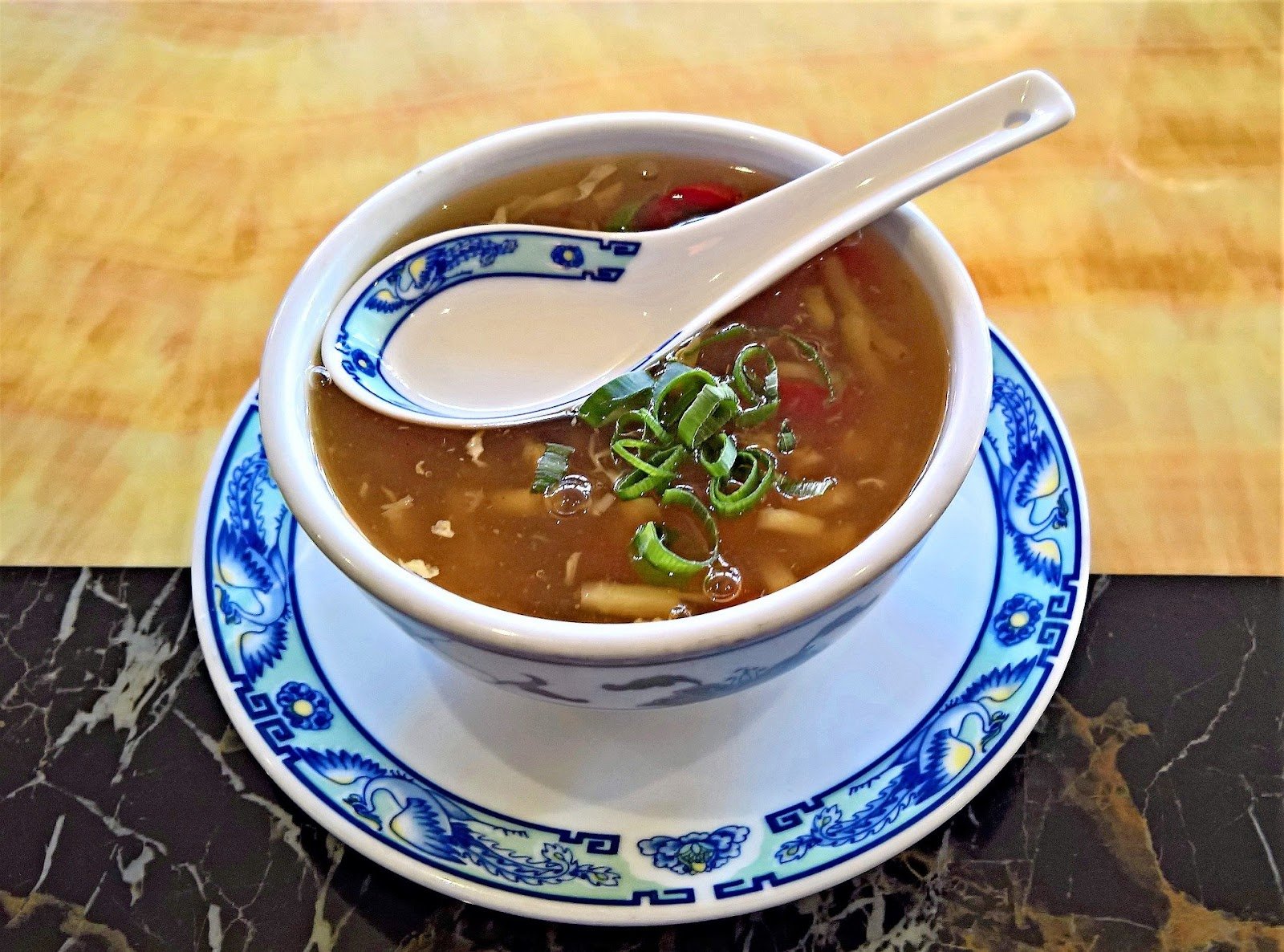
While clinical trials on goat blood are limited, general discussions often highlight its potential nutritional content. The exact nutritional value depends on factors like the animal’s age, cooking method, and added ingredients like oil and spices.
| Nutrient (Potential) | General Understanding / Caution |
|---|---|
| Iron | Often discussed for its iron content. However, for iron deficiency, medical consultation and tests are recommended before relying on dietary sources alone. |
| Protein | Considered a source of protein, contributing to muscle strength. The quantity should be considered within a balanced diet. |
| Hemoglobin (Folk Belief) | A traditional belief, but not a substitute for clinical treatment for blood-related issues. |
| Fat/Calories | Can increase if prepared with oily gravies. |
| Salt/Spices | High salt content can be a concern for individuals with high blood pressure or kidney issues. |
Cooked goat blood is not a ‘superfood’ miracle but rather an option on the menu that should be consumed with understanding and proper hygiene.
Potential Benefits of Cooked Goat Blood (Soft Claims)
1. Iron Content Discussion
The belief that goat blood can help with weakness due to its iron content is a common folk experience. However, iron deficiency anemia has various causes, and self-treating with a single dish is not advisable. Symptoms like fatigue, paleness, or shortness of breath warrant a medical check-up.
2. Easier to Chew (When Properly Cooked)
When cooked thoroughly, many find the texture to be soft and easy to consume, which can be beneficial for individuals with dental issues or the elderly. Undercooked blood, however, is neither soft nor safe.
3. Additional Protein Source
Cooked goat blood can be considered an additional source of protein. However, it should not be the sole source; a balanced diet including dals, eggs, yogurt, and vegetables is essential.
4. Traditional Taste and Cultural Practice
In certain communities and regions, this dish has been prepared for generations, making taste and tradition significant reasons for its consumption. It should not be forced upon individuals as a ‘cure’. Respect the preferences of those who do not consume it.
5. Dietary Variety
Incorporating offal dishes can add variety to meals. While variety is good, claims like ‘eating it daily doubles strength’ are often social media exaggerations, not medical facts. Adequate sleep, water intake, and physical activity are equally important.
Home Preparation: Hygiene and Cooking Precautions
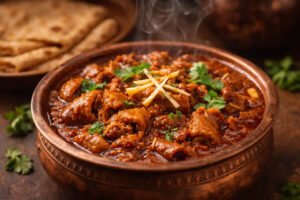
Hygiene is paramount when preparing this dish. If you prepare or consume it, ensure the ingredients are fresh, utensils are clean, and the blood is cooked thoroughly. Collect blood in clean containers, maintain coolness, and cook it promptly. Avoid leaving blood at lukewarm temperatures for extended periods, as this can increase risks. Remove any impurities or membranes before cooking. Use spices like ginger-garlic, turmeric, and mild chili. Avoid excessive red chili and heavy oil. Cook slowly on low heat until all rawness is gone.
Home Tip: Try a small quantity first. If you experience any stomach upset, discontinue consumption and consult a doctor if necessary. For children or the elderly, keep spices mild. Store leftovers covered in the refrigerator and reheat thoroughly before consuming within a day or two.
Risks, Misconceptions, and When to Be Cautious
- Raw/Undercooked Blood: Risk of infections, stomach upset, vomiting, and diarrhea. Do not consume it as a ‘cure’.
- Incomplete Cleaning: Unsanitary sources or stale products can lead to spoilage and bacterial contamination.
- Excessive Oil/Salt: Can contribute to high calorie intake and may affect individuals with high blood pressure or kidney conditions.
- False Anemia Treatment: Relying solely on this dish instead of medical diagnosis and treatment for anemia can be dangerous.
- Allergies/Existing Conditions: If you have chronic health issues, consult a doctor before trying new offal dishes.
- Cultural Pressure: Respect individual choices; forcing consumption is inappropriate.
Claims like ‘drinking blood cures anemia’ are common on social media but lack scientific backing. Lab tests, prescribed medication (if any), proper sleep, and a balanced diet are more reliable for health.
Who Should Avoid or Consult a Doctor First?
Pregnant women, young children, individuals with liver or kidney diseases, blood disorders, weakened immune systems, those who have recently undergone surgery, or are on long-term medication should consult a healthcare professional or nutritionist before consuming cooked goat blood. If you frequently experience stomach issues or digestive problems after consuming non-vegetarian food, it’s best to opt for lighter meals like curd rice or khichdi, and seek medical advice for persistent problems.
What to Look for When Buying from the Market
Opt for vendors with clean premises and proper storage facilities. If the color or smell seems off, it’s best to avoid it. Blood left out in warm weather poses a higher risk. Prompt cleaning and cooking upon returning home are essential. Be wary of ‘raw blood cures’ or products from unknown online sources, as they may be legally and health-wise questionable. Avoid stale products to save money; it’s not worth the health risk.
Frequently Asked Questions (FAQ)

Should I drink raw goat blood?
No. Raw or undercooked blood can be risky. This article discusses well-cooked, clean dishes and is not medical advice. Raw blood is not promoted here.
Does it cure anemia?
While there’s a folk belief about iron content, it’s not a substitute for medical diagnosis and treatment. Anemia has various causes; consult a doctor and get tested.
Is eating goat blood safe?
It’s a cultural food. Safety depends on hygiene, freshness, and thorough cooking. Consult a doctor if you have health conditions, are pregnant, or for children. Always prioritize safety and consult a healthcare provider for specific health concerns.
Who should avoid eating it?
Pregnant women, young children, individuals with liver/kidney issues, blood disorders, weakened immunity, or those on long-term medication should consult a doctor first. If you experience digestive upset, stop consumption.
Is this medical advice?
No. This is general information and a guide to precautions for a traditional food item. It does not make miraculous claims and is not a substitute for professional medical advice. Always consult your doctor for personal health decisions.






















Share Your Opinion
Comments are closed on this post.