Chicken heart benefits: nutrition without miracle claims
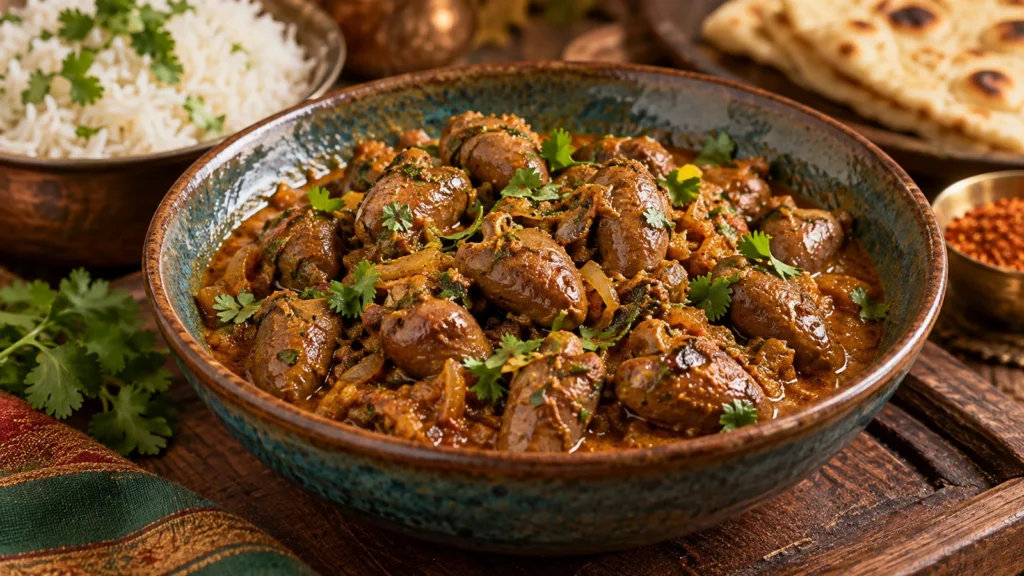
Chicken heart benefits are often confused with claims about chicken gizzards or liver. The heart is a separate muscular organ, eaten in curries, stir-fries and grilled dishes. It can contribute protein to a meal, but eating an animal heart does not automatically strengthen your own heart or treat a disease.
Freshness, thorough cooking and your medical needs matter more than a list of promised benefits. People with gout, kidney disease or a prescribed diet should check whether organ meat fits their plan before increasing their intake.
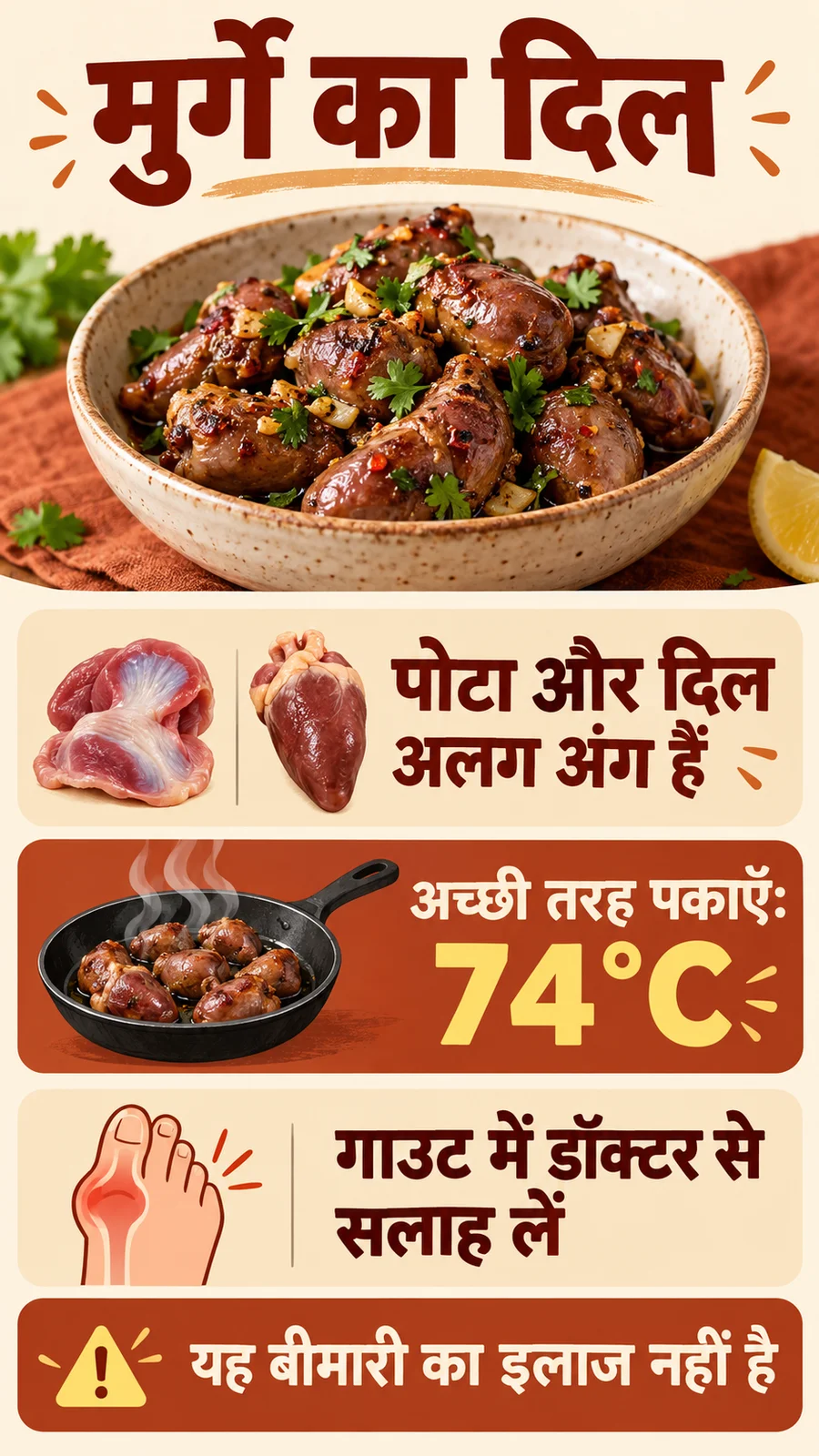
Chicken heart, gizzard and liver are different
The heart pumps blood. The gizzard is a muscular part of the digestive system that grinds food, and the liver is another organ altogether. These parts may be sold together as giblets, but their nutrient profiles cannot be used interchangeably.
A table for goat heart, chicken liver or gizzard is not a verified table for chicken heart. This article does not supply unconfirmed per-100-gram numbers. Raw and cooked values also differ because cooking changes water content and recipes add ingredients.
What nutritional benefit can a meal provide?
Chicken hearts provide animal protein, which helps maintain body tissues as part of an adequate diet. Organ foods may also supply iron and B vitamins, but precise quantities should come from a matching food-composition entry. A spicy curry has a different overall profile once oil, salt and gravy are included.
Protein-containing food is not a treatment for every cause of fatigue. Anaemia, inadequate sleep and illness can all need different management. Persistent weakness should be assessed rather than managed solely by adding an organ food.
FACT: A nutrient claim and a proven treatment claim are different. Eating a particular animal organ does not repair the corresponding human organ.
Side effects and gout precautions
Raw or undercooked poultry can cause foodborne infection. Large portions and recipes containing substantial oil or salt may also conflict with an individual diet. It is misleading to call every heart curry light or healthy simply because it contains protein.
Gout guidance recommends avoiding organ meat. If you have gout attacks or concerns about uric acid, ask your clinician about suitable food choices. Kidney disease also requires an individual plan; protein needs vary with the stage of disease and treatment.
People with a previous meat allergy, weakened immunity or pregnancy-related food concerns should take particular care with food safety. Breathing difficulty, facial swelling or collapse after food requires urgent medical assistance.
Handling and safe cooking
Buy from a reliable seller and refrigerate promptly. Keep raw poultry and its juices away from salads and ready-to-eat foods. Clean hands, knives and preparation surfaces. Rinsing raw chicken under the tap can spread germs through splashes and does not replace cooking.
USDA–FSIS advises cooking poultry, including giblets, to an internal temperature of 165°F, approximately 74°C. Use a food thermometer. Surface browning, smell and colour alone do not reliably establish safety.
Use or freeze raw poultry giblets within one to two days under suitable refrigerated storage. Do not leave them at room temperature while waiting to cook. Reheating is not a reliable remedy for food that has been stored unsafely.
How much should you eat?
There is no universal daily serving recommendation in this article. The right choice depends on your overall diet, age, health and recipe. More organ meat does not automatically mean more benefit. Keep dietary variety and any clinician-directed restrictions in mind.
Chicken hearts are optional. Lentils, chickpeas, soy foods, milk or yoghurt, eggs and other meats can also help meet protein needs. Preference, affordability and medical requirements can guide your choices.
Advice
If you enjoy chicken hearts and have no dietary restriction, choose fresh food and cook it thoroughly. Do not start eating them daily because a social post promises better blood levels or a stronger heart. Seek assessment for ongoing fatigue, breathlessness or chest pain rather than treating these symptoms with food.
FAQ
Are chicken heart and gizzard the same?
No. The heart pumps blood; the gizzard grinds food within the digestive system.
Can eating chicken hearts cure heart disease?
The sources do not establish that claim. They should not replace treatment or a prescribed diet.
Are chicken hearts suitable for gout?
Gout guidance advises avoiding organ meat. Ask your clinician about your individual plan.
What temperature should chicken hearts reach?
Poultry giblets should reach about 74°C internally, checked with a food thermometer.
Do you need to eat them every day?
No. Other foods can meet nutritional needs, and there is no universal daily dose.
Related reading
Chicken gizzard benefits and safe cooking and Goat kidney, gout and CKD precautions.
Sources and health disclaimer
USDA–FSIS: Food Thermometers; USDA–FSIS: Washing Food; NIH: Gout. General food information, not personalised medical advice. Consult a clinician or dietitian for disease, allergy or a special diet.