Lemon and sindoor at a crossroads: what should you do first?
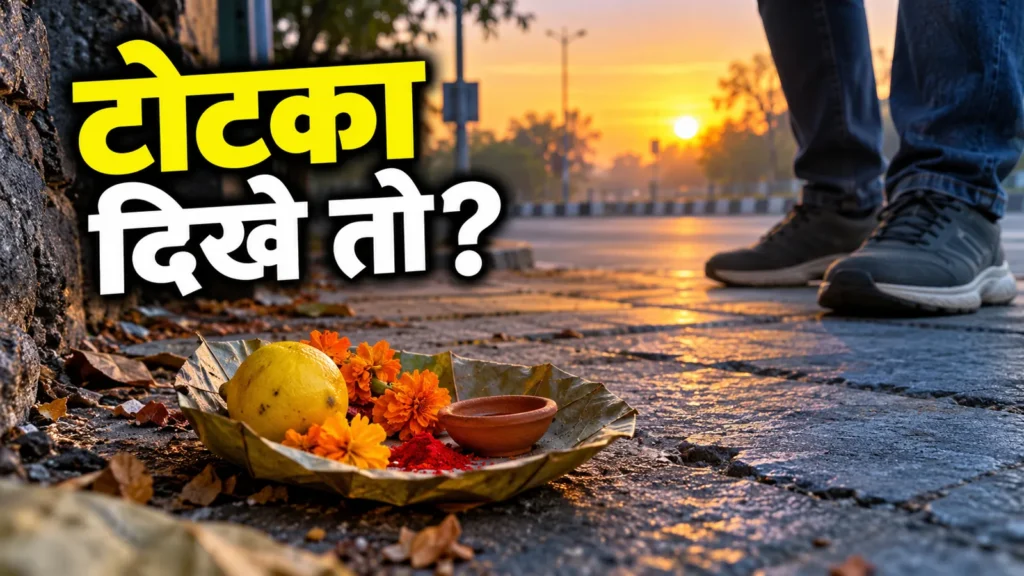
You notice a lemon, flowers, red powder and an earthen lamp beside the road. Someone calls it a totka, and you wonder whether stepping near it could bring bad luck. During Navratri, familiar warnings may make the scene feel more alarming. However, finding an object and establishing that it causes supernatural harm are separate things. Start with ordinary road safety.
Stay calm and continue along a safe route. You do not need to stop in traffic, swerve suddenly or pick up the objects to test them. Avoiding unnecessary contact with unknown material is sensible. It does not mean you must assume your luck or health has been affected.
Is every lemon, lamp or coconut a black-magic object?
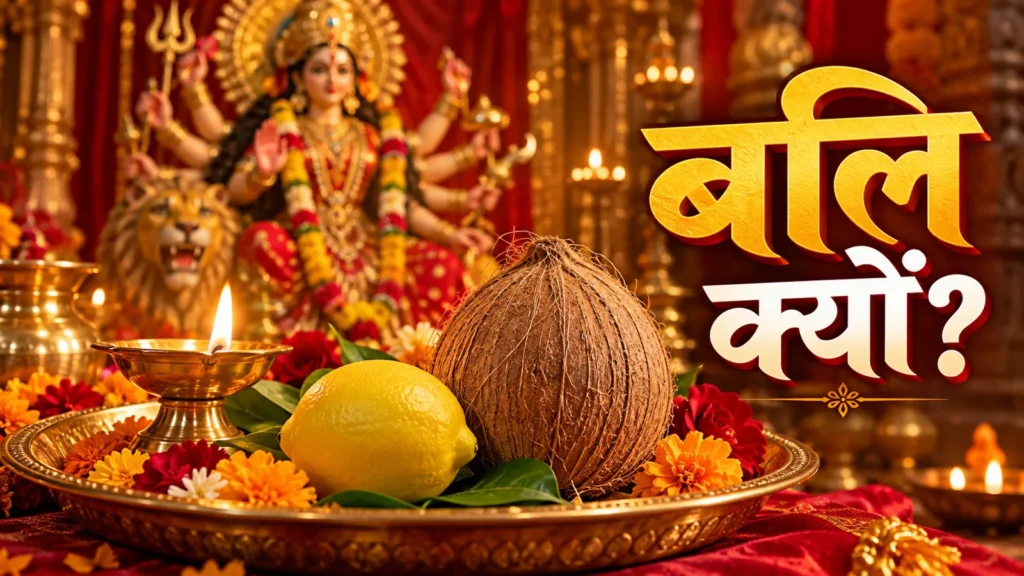
Similar objects can appear in different settings. Flowers and lamps may be worship materials, a lemon is also food, and a coconut can be an ordinary offering. A photograph cannot establish why someone left them there. It may be a local ritual, discarded material or another situation.
Separate what you observed from what you inferred. “There was a lemon and red powder on the pavement” describes a scene. “Someone attacked my family through magic” adds a claim about intention and cause. The first observation alone does not establish the second conclusion.
Is red powder definitely sindoor or blood?
Colour alone cannot identify a substance. It may be a pigment, kumkum or something else. Do not taste, sniff or rub it with your hands to investigate. You can use ordinary caution without knowing its religious name or deciding that it has special power.
Why do people leave totka materials at crossroads?
Some local beliefs connect leaving materials at crossroads with removing the evil eye, dealing with misfortune or making an offering. Interpretations can vary between communities and households. They should not be presented as a compulsory practice for everyone observing Navratri.
Hearing such an explanation does not establish that someone’s trouble entered an object and will transfer to the next passer-by. The sources checked for this article do not provide a basis for treating that transfer as established fact. Keep a cultural explanation separate from a guarantee about what will happen.
Do roadside objects become more dangerous during Navratri?
The festival does not automatically turn an ordinary object into a supernatural threat. India’s official Navratri account describes regional worship and celebrations. That does not identify every roadside arrangement as a definite part of Goddess worship or tantra.
Broken glass, slippery oil and poorly visible traffic can create real problems. Pay attention to lighting, your footing and approaching vehicles. A frightening story should not distract you from practical hazards that can actually be observed.
What if you step on a totka or touch the lemon?
First check for injury, irritation or material on your skin or shoes. Clean dirty footwear normally. If you touched unknown material, wash your hands with soap and water. Contact alone is not a reason to buy an expensive cleansing ritual or assume that misfortune is now inevitable.
For a small cut, rinse with clean water and apply a clean dressing. NHS guidance emphasises cleaning and covering minor wounds. A deep wound, embedded glass or bleeding that will not stop requires immediate medical help; do not remove an embedded object yourself.
Must you go back, apologise or perform another ritual?
It is inappropriate to present those steps as compulsory protection. A quiet personal prayer is your choice. Repeatedly returning, checking the road or completing new conditions to feel safe can become distressing. Once you are in a safe place, try to continue your ordinary routine.
Should you remove roadside worship materials?
Do not step into moving traffic to clean them up yourself. If objects block the route, a flame is burning or sharp items are present, notify the responsible staff, local cleaning service or authority. Seek appropriate local emergency assistance for immediate danger.
Even if you see only fruit and flowers, there is no need to take them home or eat them. You do not know how long they have been outside or what they have contacted. Keep children and pets away from the material while continuing safely.
If the arrangement belongs to a private property or temple, ask the responsible person. You do not need to disrupt an ongoing ceremony or start an argument. A public obstruction and a disagreement about religion can be addressed as separate issues.
For example, a plate beside a temple entrance may be part of an arrangement you do not understand. Asking staff is more useful than posting an accusation. A pile in the traffic lane, meanwhile, can be reported as a road hazard without deciding its spiritual meaning.
Fear of totka and connecting every later problem to it
Suppose you see a lemon in the morning and drop your phone in the evening. Both events happened on the same day, but that does not prove the first caused the second. Checking where the phone was placed and how it fell is a practical investigation. Linking every later setback to the roadside scene does not establish causation.
Intense fear can involve a racing heart or trembling. NHS information on phobias describes such physical reactions. They do not establish a ritual’s effect. If fear disrupts work, sleep or leaving home, seek advice from a qualified health professional.
Do not assume that every new physical symptom is simply anxiety either. Severe chest pain, fainting or breathing difficulty needs medical attention. An online article cannot examine you or diagnose the cause of your symptoms.
What should you tell a frightened child or relative?
Try: “It can look frightening, but seeing these things does not prove harm. We will take the safe route.” Avoid ridicule and avoid predicting disaster. Do not force a child to touch an unknown object to demonstrate bravery.
Advice: avoid rumours, accusations and pressure to pay
- Check traffic before stopping. Keep a safe distance and avoid unnecessary contact.
- Do not blame a neighbour or community based on a photograph. Identity and intention may be unknown.
- Pause if someone demands immediate payment to prevent disaster. Speak with someone you trust.
- Do not eat or burn unknown material, or allow children to play with it.
- Reduce frightening content if fear persists. Seek appropriate help rather than relying on a guaranteed ritual cure.
If you share a photograph to report an obstruction, describe the visible problem. Adding “black magic happened here” and identifying a person without evidence can spread rumours. A clearer message is: “Material is blocking this location; please arrange safe removal.”
You can respect someone else’s tradition while declining a frightening explanation. You also do not need to perform a roadside experiment to settle a spiritual debate. Ordinary caution, clear observations and relevant help are enough for deciding your next practical step.
FAQ: crossroads lemons, sindoor and totka
Will another person’s problems transfer to me if I touch a totka?
That transfer is not established fact. Use ordinary hygiene and check for actual injury or symptoms after contact.
Is stepping over a lemon definitely unlucky?
It is inappropriate to call it a certain sign of misfortune. Walking around an object can be ordinary safety, rather than a rule about luck.
Can I take a roadside coconut home?
Avoid taking or eating unknown roadside material. Its cleanliness and contents are uncertain.
Is leaving these objects required during Navratri?
It is not a universal requirement for every devotee. A local belief should not be turned into a rule for the whole festival.
What if fear continues after I stepped near it?
Talk to someone you trust. Seek qualified help if it affects sleep, work or going outside.
Related reading: Are ghosts real? and White pumpkin and symbolic bali.
Sources: Incredible India: Navratri; NHS: Phobias; NHS: Cuts and grazes.
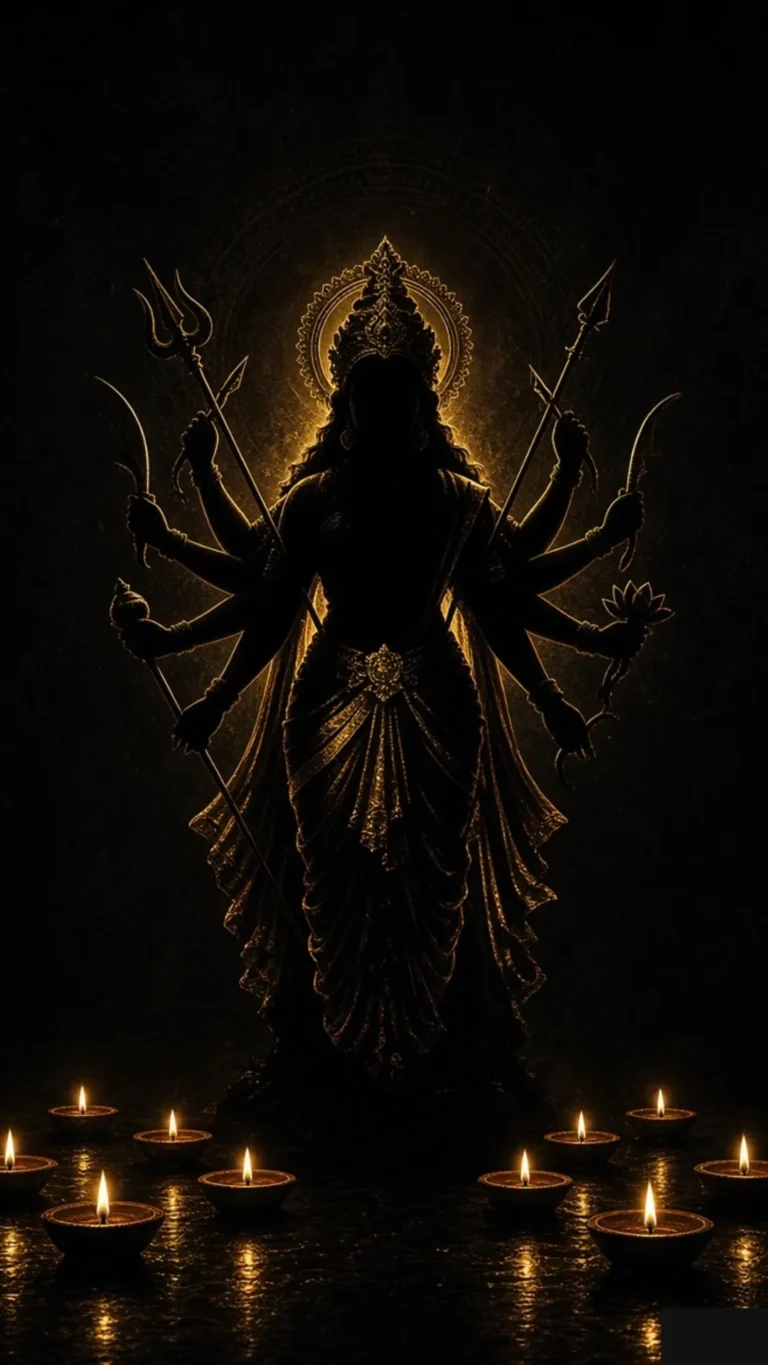
Disclaimer: This is general information and safety guidance. Local beliefs vary. It does not replace medical assessment or establish that an unknown object is safe. The featured image is symbolic AI artwork.