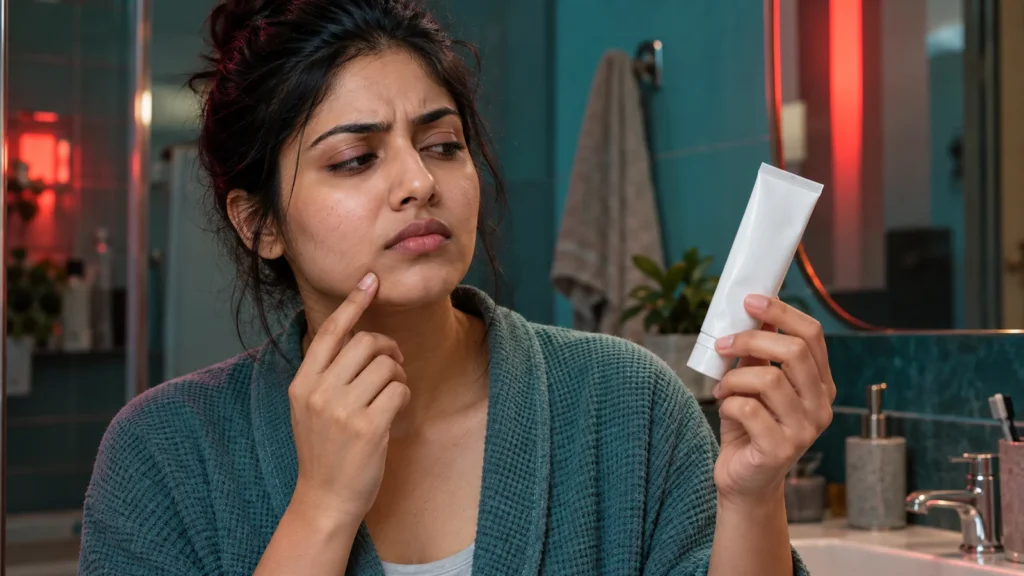
Why does a toothpaste hair-removal video look convincing?
The ingredients are already at home, the clip lasts a minute and the final face looks smooth. That combination makes a toothpaste hair-removal hack easy to believe. It also makes the important questions easy to miss. A convincing demonstration is not the same thing as a reliable method you should use on your own skin.
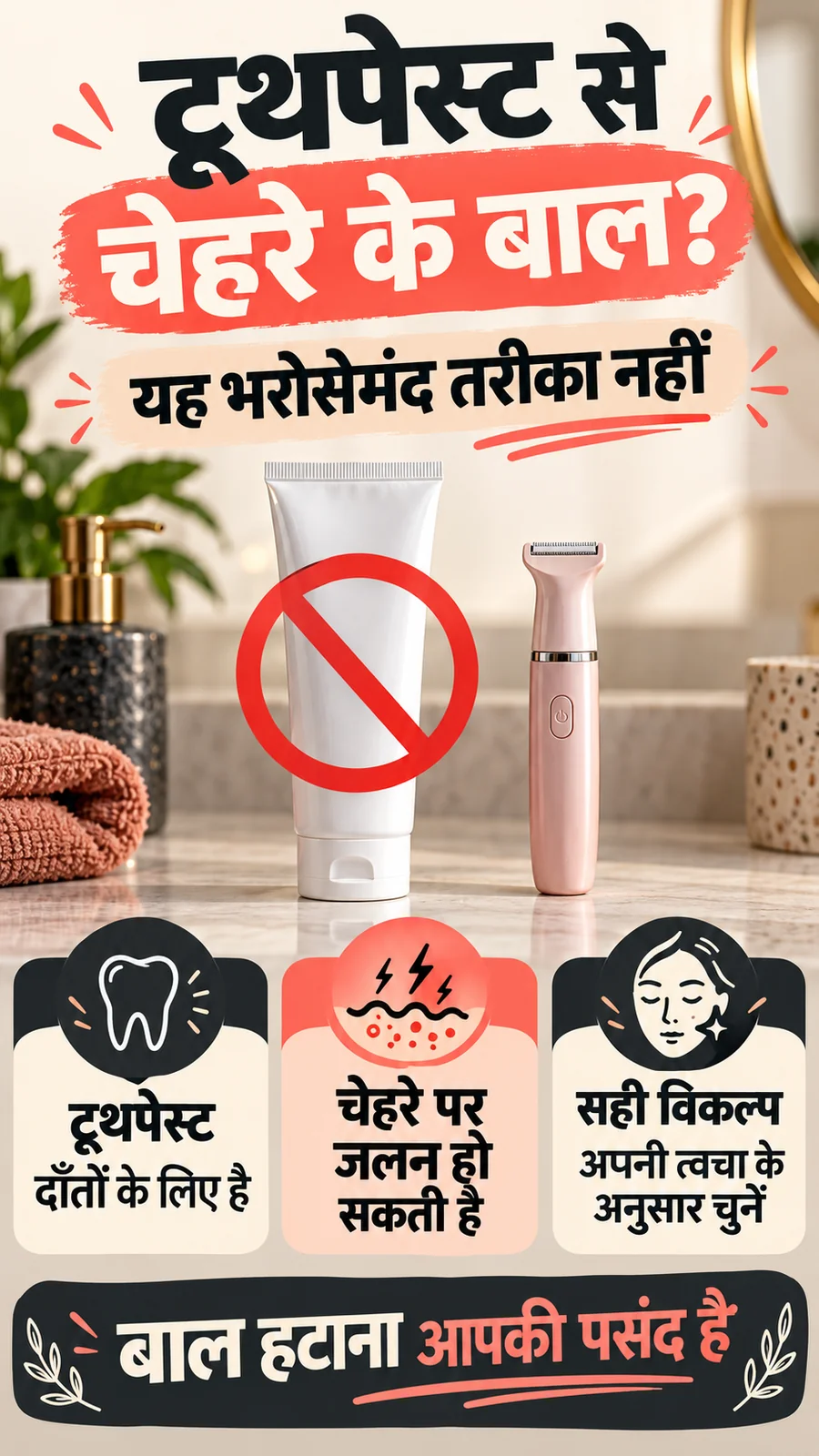
Do not treat toothpaste as an established facial hair-removal option. This article does not provide a mixture, an application time or a rubbing technique for trying the claim. A cheap experiment is not necessary simply because the product is within reach.
Removing facial hair is a personal grooming choice. Keeping it is a choice too. Fine hairs are not evidence that a face is dirty or neglected. If you want removal, start with your purpose and the condition of your skin, rather than accepting that every visible hair urgently needs a remedy.
FACT: fewer visible hairs do not prove the proposed method
A short clip leaves unanswered questions. Did the lighting change? Was another removal method used before filming? Is the final image smoothed? Are both photos equally close? Without those details, you cannot confidently assign the apparent result to the mixture being advertised.
Toothpaste is an oral-care product. AAD hair-removal guidance discusses recognised options such as shaving, waxing, threading, depilatories, laser and electrolysis. It does not establish toothpaste as a hair-removal choice. The distinction is between a claim circulating online and an option explained with its limitations.
A sensation or a change after applying something is also not proof of a lasting effect on a hair follicle. You do not need to test every unsupported idea yourself before declining it. Keeping a method out of your routine when its purpose and safety are unclear is a complete decision. It does not require buying a replacement immediately.
Reference: AAD: hair removal options
Skin irritation matters, even when the tube seems familiar
DermNet describes irritation and contact allergy from some toothpaste ingredients. Such reactions are uncommon relative to ordinary oral-care use. That does not establish the safety of using toothpaste as a facial hair-removal mask; the proposed use is different.
If you have applied it and develop burning, itching or redness, stop using it and rinse gently with water. Do not repeat the application to see whether a stronger reaction finally removes the hair. Seek medical advice if the problem persists or worsens, and urgent help for a severe reaction such as major swelling or breathing difficulty.
Avoid covering one reaction with a second unfamiliar home mixture. A simple account of what you used and when symptoms began is more useful when you need help. Keep the product name available. You do not have to identify the exact ingredient yourself before a clinician can consider the situation. The next useful step is care for the reaction, not proving the original video correct.
Reference: DermNet: toothpaste contact reactions
Shaving and trimming have a different job
Shaving cuts hair at the skin surface. AAD explains that its effect is temporary and that cuts, irritation or ingrown hairs can occur. It is not a way to permanently switch off growth beneath the skin.
Before using a device, read the directions for its intended area. A word such as facial on the package does not remove the need to understand the product. Consider existing discomfort, a rash or damaged skin before making removal an urgent part of your morning.
Clarify your goal. Do you want quick occasional grooming, less frequent maintenance or an explanation for a new growth pattern? These are different questions. A temporary option can be perfectly reasonable for a temporary goal, while disappointing if you silently expect permanent removal. Write down the goal before comparing other people's routines. Their preference may be useful to hear without being the correct plan for your own skin, schedule or budget.
Reference: AAD: shaving care
Threading, wax and depilatory products are not interchangeable
Threading is an option for limited areas, while waxing pulls hairs out. A facial depilatory should be labelled for that use and used exactly as directed. AAD advises a small-area trial and prompt rinsing if irritation occurs. Do not assume a body hair-removal cream is appropriate for the face.
Tell the person providing waxing about skin medicines you use. AAD warns about skin injury with certain medicines, including tretinoin or recent isotretinoin use. Do not stop a prescribed treatment yourself just to arrange a salon visit; ask the prescribing clinician about your options.
At a salon, price is only one question. Ask about hygiene, experience and what happens if your skin reacts. You can make those enquiries before booking. A consultation does not oblige you to proceed with every suggested service. Take the explanation home if you need time. A good decision should remain understandable after the excitement of a discount or transformation photo has passed.
Reference: AAD: waxing precautions
Procedures need a consultation, not a one-clip promise
Laser and electrolysis are different from routine home grooming. AAD notes that the provider's experience affects safety and results, and that hair can regrow on a woman's face after laser treatment. Be cautious about a promise that one appointment guarantees a permanently hair-free face.
Ask whether the proposed method suits your own skin and hair. How many visits may be needed? What does the quoted amount include? What care follows the appointment? Who should you contact about an unexpected problem? A photograph of a machine cannot answer these practical questions.
It is reasonable to defer a procedure if it does not fit your needs. Future maintenance, travel and time away from work also belong in the cost discussion. Choosing grooming because you want it is different from rushing into treatment because of comments about your appearance. Hair removal should not become a condition you must meet before feeling comfortable in public.
Reference: AAD: laser questions
New or rapidly changing growth deserves a different question
NHS guidance recommends assessment for women with thick, dark facial or body hair; hormonal changes can be one explanation. Sudden growth, especially with other changes such as a deeper voice, needs prompt medical advice. Ordinary fine facial hair alone does not establish a hormonal disorder.
Describe the timeline, medicines and any changes to periods when discussing the concern. Older photographs may help you explain the change, but you do not need an app-generated diagnosis before an appointment. Let the history and clinical assessment guide whether tests are useful.
Do not start hormone medicines or a supplement because a comment section names a likely cause. Ask what the clinician is trying to find out and how a suggested test would change the plan. Cosmetic removal can alter appearance without answering why a new pattern developed. Keep those jobs separate so temporary grooming does not keep postponing an important assessment.
Reference: NHS: hirsutism
Advice
For an ordinary upper-lip or chin grooming decision, write down the area, how much maintenance you can manage and any skin concerns or medicines. Use that information to ask about a suitable option. If growth is suddenly changing, give the medical conversation priority rather than treating removal as the whole answer.
Before buying a product, check the facial-use label, directions and warnings. A home patch trial of an unsupported recipe cannot turn it into a proven hair-removal method. You are not responsible for conducting an experiment on your own face to settle an online claim.
You can decline a friend's forwarded remedy without blaming them. A simple explanation is enough: the clip does not establish safety or a reliable result. Keep your routine built around clear purposes and choices you can reconsider. Ask about limitations before spending money, and leave room to stop and seek advice when something feels wrong.
FAQ
Does toothpaste facial hair removal work reliably?
Do not rely on it. Toothpaste is an oral-care product and is not an established option for removing facial hair.
Would leaving it on longer improve the result?
Do not try that. A longer application cannot solve the lack of evidence and may cause skin problems.
What if my skin burns after using it?
Stop and rinse gently with water. Seek advice for ongoing or worsening symptoms and urgent help for a severe reaction.
Does facial hair always mean a hormone problem?
No. Fine ordinary hair and a new pattern of thick growth are different. Discuss sudden changes with a clinician.
Which removal method is best?
There is no single answer for everyone. Consider the area, skin, medicines, maintenance and budget, along with each option’s limits.
Sources
- DermNet: toothpaste contact reactions
- AAD: hair removal options
- NHS: hirsutism
- AAD: new product testing
- AAD: shaving care
- AAD: waxing precautions
- AAD: laser questions
Health disclaimer: This article provides general information, not a personal diagnosis or treatment plan. Ask a qualified clinician before starting a medicine, supplement or skin procedure. Seek medical care for sudden or severe symptoms.