
What Happens After Death? Exploring Beliefs Across Religions, Philosophy, and Science
Death is an undeniable reality, a universal certainty for all living beings. Since the dawn of civilization, humanity has grappled with a profound and persistent question: What happens to us after we die? Is death merely the cessation of physical existence, or does life, in some form, continue? This enigma has captivated religious leaders, philosophers, scientists, and ordinary individuals for centuries. Let’s embark on an exploration of this mysterious question, seeking understanding from diverse viewpoints.
Religious Perspectives on the Afterlife

Across the globe, virtually every religion offers distinct beliefs and doctrines regarding death and the subsequent existence. These beliefs often provide a sense of purpose in life and a means to confront the fear of mortality.
1. Hinduism: The Cycle of Rebirth and Moksha
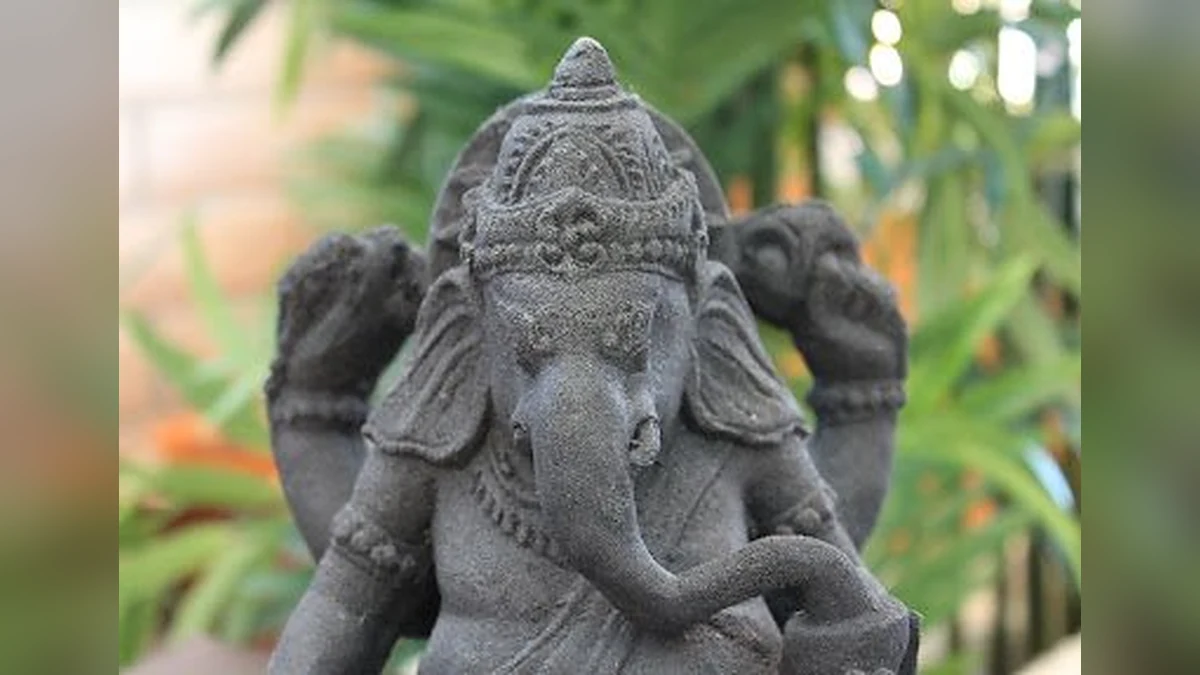
In Hinduism, the soul (Atman) is considered eternal, while the body is mortal. Death is viewed as the shedding of the physical form, not the end of the soul. The principle of reincarnation dictates that the soul transmigrates from one body to another. This cycle of rebirth continues until the soul achieves Moksha, liberation from the cycle of birth and death.
The law of Karma governs this process: an individual’s actions in this life determine their next birth. Good deeds are believed to lead towards heavenly realms, while negative actions may result in rebirth in lower forms or realms of suffering. Heaven (Swarga) and Hell (Naraka) are not permanent abodes but temporary states for experiencing the consequences of one’s karma. Moksha, the ultimate goal, is the soul’s union with the Supreme Being (Brahman), signifying release from the cycle of Samsara.
2. Islam: Jannah and Jahannam
Islam posits the concept of ‘Barzakh,’ an intermediate state where souls await the Day of Judgment (Qiyamah). On this day, Allah will meticulously account for all human deeds. Those who have lived righteously and submitted to Allah’s will will be granted eternal entry into Jannah (Paradise), a place of infinite bliss. Conversely, wrongdoers will face punishment in Jahannam (Hellfire).
The core tenet for attaining Jannah in Islam is the worship of the One God (Allah) and adherence to His divine guidance as revealed in the Quran and the teachings of Prophet Muhammad.
3. Christianity: Heaven and Hell Through Final Judgment
Christian theology anticipates a resurrection of the dead and a final judgment upon the second coming of Jesus Christ. Believers in Jesus Christ and followers of His teachings are promised eternal life in Heaven. For those who have sinned and not repented, eternal damnation in Hell awaits.
Salvation in Christianity is primarily understood through God’s grace and faith in Jesus Christ’s atoning sacrifice.
4. Buddhism: Nirvana and the Cycle of Rebirth
Buddhism also embraces the concept of rebirth, though it differs from the Hindu view by positing that there is no permanent, unchanging soul (Anatta). Instead, it is a stream of consciousness or karmic energy that perpetuates from one life to the next. Karma is the driving force behind this cycle, and life is characterized by suffering (Dukkha), which arises from desire and attachment.
Nirvana represents the cessation of suffering and the end of the rebirth cycle. It is a state of ultimate peace and liberation, attainable through the practice of the Noble Eightfold Path.
Philosophical Inquiries into Post-Mortem Existence
Beyond religious frameworks, philosophers have long contemplated the nature of death and the possibility of an afterlife.
Ancient Greek philosopher Plato argued for the immortality of the soul, positing that it is a distinct, eternal entity separate from the body, capable of existing independently after death. Existentialist thinkers, conversely, often assert that death is the absolute end of existence, emphasizing the importance of creating meaning within this singular life. Skeptics, meanwhile, refrain from making definitive claims about an afterlife due to the lack of empirical evidence, highlighting the limits of human knowledge.
The Scientific Stance on Death

Science operates on empirical evidence and observable phenomena. From a biological standpoint, death is defined as the irreversible cessation of all vital bodily functions, including the brain, heart, and respiratory system.
Consciousness is widely regarded by scientists as a product of brain activity. When the brain ceases to function, consciousness is understood to end. While phenomena like Near-Death Experiences (NDEs) are subjects of ongoing research, science currently lacks concrete evidence for the survival of consciousness or any form of existence beyond physical death. Research continues to explore the complex relationship between the brain and consciousness.
The Impact of Afterlife Beliefs on Present Life
Regardless of one’s beliefs, the concept of an afterlife profoundly influences how individuals perceive and live their current lives. For many, the prospect of an afterlife provides a moral compass, encouraging ethical behavior and a purposeful existence. Religious beliefs can offer solace in times of grief and reduce the fear of death.
The principle of ‘what goes around comes around’ motivates individuals to perform good deeds and cultivate compassion. Ultimately, the question of what happens after death may remain an enduring mystery, with each person finding their own answers through faith, philosophy, or personal reflection. The most significant aspect, however, is how we choose to live our lives today—with love, purpose, and a positive impact on the world around us.
Frequently Asked Questions About the Afterlife
What is the main difference between reincarnation and resurrection?
Reincarnation, as seen in Hinduism and Buddhism, involves the soul or consciousness being reborn into a new physical body after death. Resurrection, a concept in Christianity and Islam, refers to the body being brought back to life, often for a final judgment.
Can science prove or disprove the existence of an afterlife?
Currently, science cannot definitively prove or disprove the existence of an afterlife. Science relies on empirical evidence, and phenomena related to death and consciousness beyond physical existence are not yet measurable or verifiable through scientific methods. Research into NDEs is ongoing but has not yielded conclusive results.
How do different religions view the concept of heaven and hell?
While most religions have concepts akin to heaven and hell, their interpretations vary. In Islam and Christianity, they are often seen as eternal destinations based on faith and deeds. In Hinduism, Swarga and Naraka are temporary states for experiencing karmic consequences before rebirth. Buddhism focuses on Nirvana as liberation from suffering, rather than a specific heavenly realm.
What is the scientific perspective on consciousness after death?
The prevailing scientific view is that consciousness is a product of brain activity. When the brain ceases to function, consciousness is believed to end. There is no scientific consensus or evidence to support the continuation of consciousness independent of a functioning brain.
How can beliefs about the afterlife influence our current lives?
Beliefs about the afterlife can provide a moral framework, encouraging individuals to live ethically, perform good deeds, and seek spiritual fulfillment. They can also offer comfort and meaning, helping people cope with loss and the fear of death by providing a sense of continuity or purpose beyond earthly existence.





















Share Your Opinion
Comments are closed on this post.