 Vista
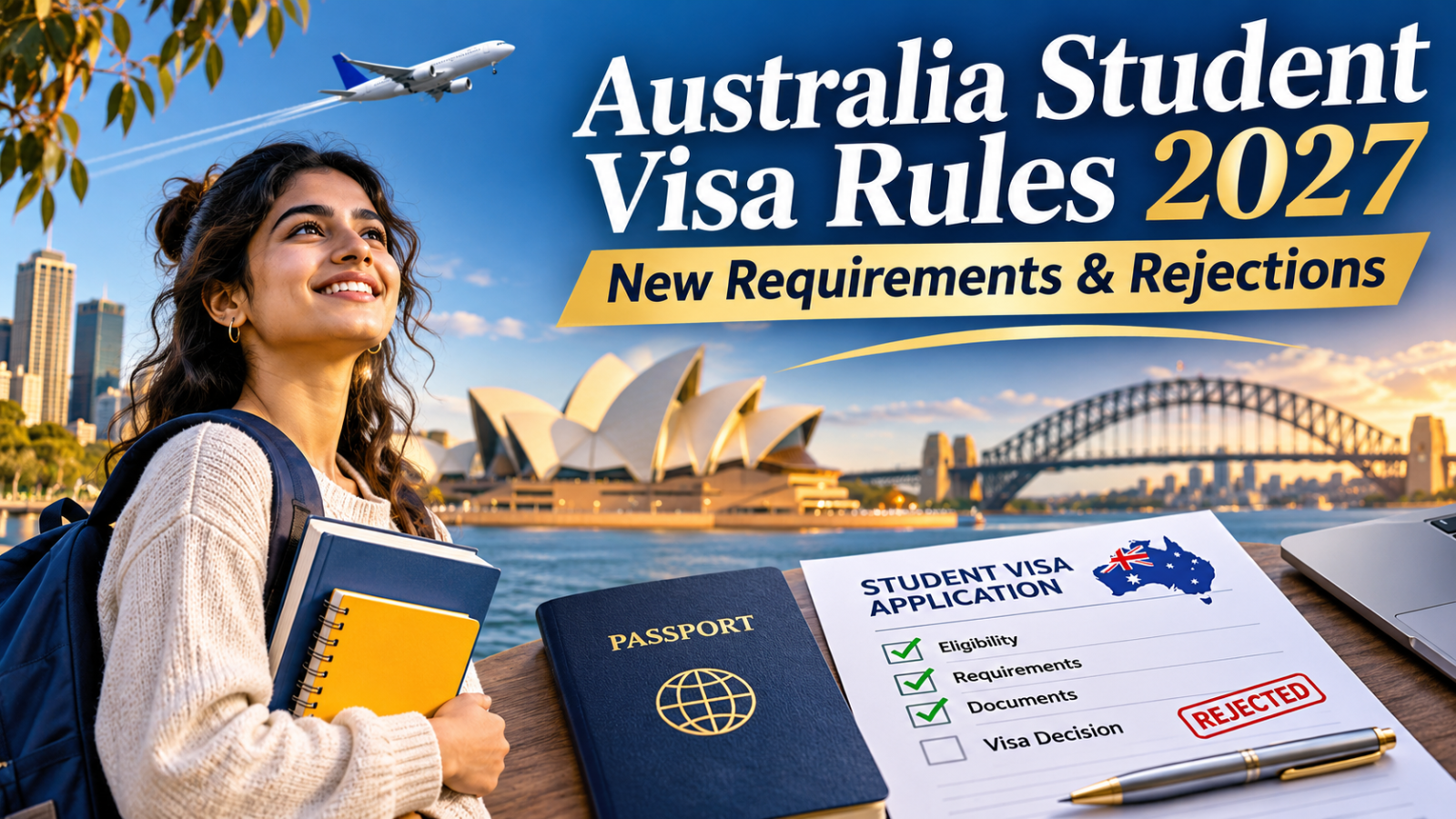
Quick answer: From 2 October 2026, new rules in Australia change who can apply for, and be granted, a Student visa (Subclass 500) or Student Guardian visa (Subclass 590) while already in Australia, and whether family members can be included in an application. Visas already granted are not affected. Doctoral students and some family-member cases are exempt. The base visa fee for most Subclass 500 applications is from A$2,500 on 1 July 2026 according to press reports. Always confirm current amounts and rules on the Department of Home Affairs website before you apply.
Information only. This is not migration advice. Rules change often. Check the Department of Home Affairs and use a registered migration agent for your own case.
What Changed on 2 October 2026
The Department of Home Affairs and Study Australia confirm that, from 2 October 2026, new rules affect (1) who can apply for and be granted a Subclass 500 or 590 visa while in Australia, and (2) whether family members can be included. Existing visa holders are not affected. The package was announced by Minister Tony Burke on 17 September 2026 as part of efforts to bring net overseas migration to 225,000 in 2027/28.
| Change | Date | Status |
|---|---|---|
| Limits on onshore applications and on including family members | From 2 Oct 2026 | Confirmed (Home Affairs, Study Australia) |
| Existing visas unaffected | From 2 Oct 2026 | Confirmed |
| Exemptions for doctoral students and some family cases | From 2 Oct 2026 | Reported by Study Australia |
| 12-month provider transfer restriction (interim measure) | From 2 Oct 2026 | Reported by migration advisers |
| New student transfer visa stream | From 1 July 2027 | Reported; check details when released |
| Visa application fee A$2,500 | From 1 Jul 2026 | Reported (press); verify on Home Affairs |
Onshore vs Offshore: What the Words Mean
Two terms appear in almost every article on this topic. Offshore means you apply while outside Australia, for example from India. Onshore means you apply while physically in Australia, for example to switch from a visitor or graduate visa to a student visa. The October 2026 changes mainly tighten the onshore route and the inclusion of family members. For a student applying from India with a Confirmation of Enrolment, the basic offshore pathway still exists. What changes is how much flexibility you have afterwards.
| Situation | Likely effect of the new rules |
|---|---|
| Applying from India for a first student visa | Core process continues; fees and evidence matter more |
| Already in Australia on a student visa | Existing visa unaffected |
| In Australia on another visa and planning to switch to student | Onshore application limits may apply; check exemptions |
| Wanting to bring a spouse or children | Family inclusion is restricted; exemptions exist for some cases |
| Doctoral student | Reported as exempt |
Who Is Most Affected?
- Offshore applicants (applying from India): the core process is the same, but family inclusion and later onshore changes are tighter.
- Students already in Australia on other visas who planned to switch to a student visa.
- Students wanting to change education provider early in their course.
- Families planning to bring a spouse or children.
Core Requirements Still Used in 2026-27
Figures below come from education-sector and migration-adviser summaries and may be outdated by the time you read this. The Home Affairs pages we could open did not list every figure, so treat these as “reported” and verify.
| Requirement | Reported detail |
|---|---|
| Confirmation of Enrolment (CoE) | Needed from a registered provider before applying |
| Genuine Student requirement | Replaced the older Genuine Temporary Entrant test; you explain your course choice, background, career goals and compliance |
| Living costs (single applicant) | A$29,710 for 12 months (reported); more for partner and children |
| English | Commonly reported as IELTS 6.0 overall for many courses; varies by course and provider |
| Health and character | Medical checks and police certificates as required |
| Work rights | Reported as 48 hours per fortnight in term time for most students |
The Genuine Student Requirement Explained
Instead of a simple checklist, Australia asks applicants to show that they are a genuine student. In practice this is a written statement and a set of supporting facts. Case officers read it to judge whether your plan is believable and consistent. This is general guidance based on how the requirement is commonly described. Official wording on the Home Affairs site is what counts.
| Topic officers commonly look at | What strong answers usually show |
|---|---|
| Why this course | A clear link to your past study or work |
| Why this provider and country | Specific reasons, not copied marketing text |
| Career plan | How the qualification helps your future in a realistic way |
| Circumstances at home | Ties and reasons that make your plan believable |
| Study history and gaps | Honest explanations for any breaks |
| Finances | Funds that are traceable and consistent with your story |
Use your own words. A template statement copied from a website or shared widely can look identical to other applications and may hurt you.
What About Indian Students and “Evidence Level 3”?
Under Australia’s Simplified Student Visa Framework, countries and providers are assigned evidence levels. Reports based on statements to the Indian Parliament and Australian media say India moved from Evidence Level 2 to Evidence Level 3 on 8 January 2026, with Nepal, Bangladesh and Bhutan. Level 3 means higher documentary scrutiny, with full financial and English evidence usually expected up front. It does not mean automatic refusal. Home Affairs does not publish a simple public list, so confirm your level with a registered agent or the department.
Step-by-Step Checklist
- Choose a course and provider, and receive your CoE.
- Check the current English requirement for that course.
- Prepare traceable financial evidence, not last-minute deposits.
- Write a clear, honest Genuine Student statement in your own words.
- Arrange health insurance (OSHC) as required.
- Pay the current fee and lodge online.
- Plan provider changes before you apply, because a transfer restriction applies.
Planning Your Budget Realistically
Visa cost is only one part of the money you need. Students should plan for several categories at once. The amounts below are not given here because they change by provider and city. Use official and provider pages for current figures.
| Cost category | Planning note |
|---|---|
| Tuition | Listed on your CoE and provider fee schedule |
| Visa application fee | Check Home Affairs; reported at A$2,500 for most applicants |
| Living costs | Use the official figure for your situation as a minimum |
| Overseas student health cover | Required for the length of the visa |
| Travel | Flights and initial arrival costs |
| Medical and police checks | Costs vary by location |
| English test | If your course requires one |
Do not count on part-time work to meet the visa funds requirement. Work rights exist, but they are not a substitute for showing funds.
Common Mistakes
- Relying on an old blog’s fee or funds amount.
- Copying a template Genuine Student statement.
- Assuming you can bring family and add them later.
- Planning to switch providers in the first year.
- Trusting agents who guarantee a visa. No one can.
Confirmed vs Not Confirmed
| Claim | Status |
|---|---|
| New onshore and family rules from 2 Oct 2026 | Confirmed |
| Existing visas not affected | Confirmed |
| Exact funds, IELTS and work-hour numbers for 2027 | Reported by third parties; verify on Home Affairs |
| All Indian applicants will be refused | False. Evidence Level 3 means more evidence, not refusal |
| Student transfer visa from July 2027 | Reported; details not yet confirmed |
Frequently Asked Questions
What changed on 2 October 2026?
Rules on who can apply for or be granted a Subclass 500 or 590 visa while in Australia, and on including family members, were tightened.
Does it affect my current student visa?
No. Existing visas are unaffected.
How much is the student visa fee?
Press reports say A$2,500 for most Subclass 500 applications from 1 July 2026. Confirm on Home Affairs.
How much money must I show?
Reported at A$29,710 for 12 months of living costs for a single applicant, plus tuition and travel, with extra for family. Verify before applying.
Is India at the highest risk level?
Reports say India has been at Evidence Level 3 since 8 January 2026, which means higher scrutiny.
Can I change universities?
An interim 12-month provider transfer restriction was reported from 2 October 2026. Plan carefully.
Can I bring my spouse and children?
It depends on the new rules and exemptions. Check Home Affairs for your exact case.
Should I use an agent?
An agent is optional. If you use one, choose a registered migration agent, ask for a written fee agreement and never accept a guarantee of approval.
Conclusion
The big confirmed change is the tighter rule on onshore applications and family inclusion from 2 October 2026. For most offshore applicants from India, the practical work is still strong documents, a genuine study plan and current figures from the official site. See our broader visa rule changes roundup for other countries.
Sources
- Department of Home Affairs, Australia, student visa update (page updated 14 October 2026)
- Study Australia, notes on 2 October 2026 changes
- ICEF Monitor, EIG Law, IDP, Business Standard and ApplyBoard summaries
Study Australia: October 2026 changes





















Share Your Opinion
Comments are closed on this post.