Alcohol withdrawal can be dangerous. If you depend on alcohol physically, seek medical advice before stopping or cutting down sharply. If you have severe shaking, confusion, hallucinations or a seizure after reducing or stopping alcohol, seek emergency medical care. See NHS alcohol-use disorder guidance.
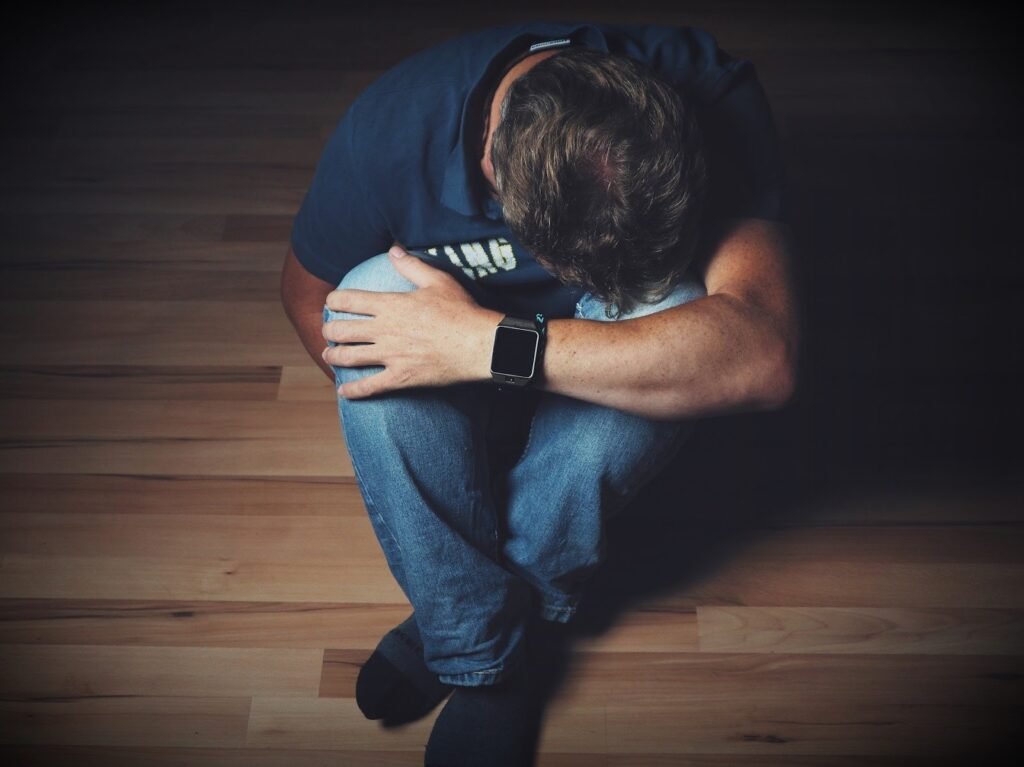
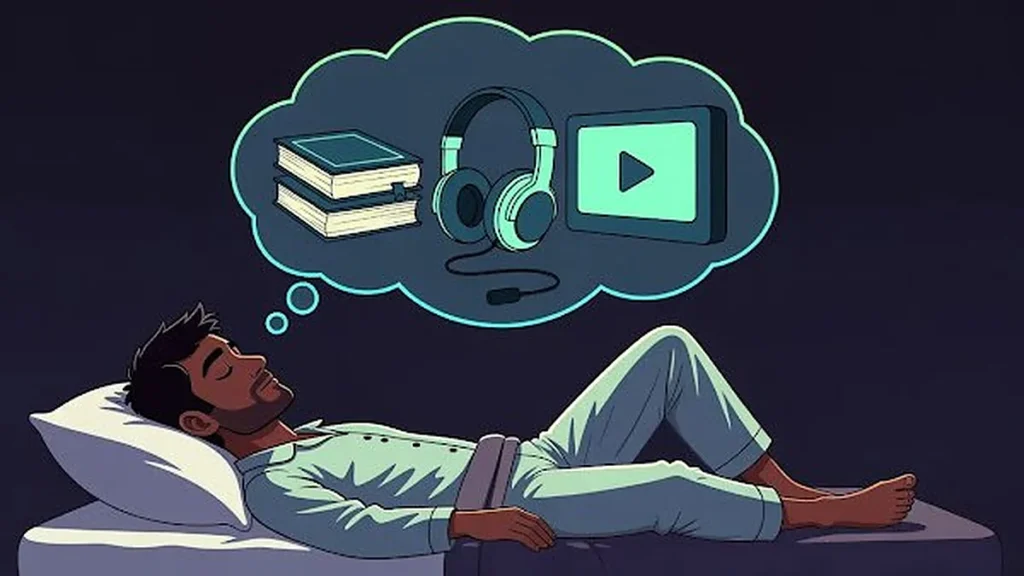
Quitting alcohol is a commendable step toward a healthier life, impacting not just your physical well-being but also your mental and emotional state. However, this journey often comes with challenges, and one of the most common is difficulty sleeping, or insomnia. If you find yourself tossing and turning, staring at the ceiling, and thinking, ‘I wish I hadn’t quit, at least I could sleep,’ you’re not alone. Disrupted sleep patterns after quitting alcohol are normal, but they are manageable and improvable. This article explores seven effective, science-backed methods to help you achieve deep, restful sleep after stopping alcohol consumption.
Why is Sleep Difficult After Quitting Alcohol?
Alcohol acts as a central nervous system depressant, which can initially make you feel sleepy. However, it significantly compromises sleep quality. When you stop drinking, your body and mind work to re-establish balance, a process known as withdrawal. Insomnia is a prominent symptom of this withdrawal. The imbalance in neurotransmitters is a key factor: alcohol increases calming neurotransmitters like GABA and suppresses excitatory ones like glutamate. Upon cessation, this balance is disrupted, leading to an overstimulated brain that struggles to fall asleep. Furthermore, the initial days of quitting can bring heightened anxiety, stress, and restlessness, all of which interfere with sleep. Alcohol also disrupts REM (Rapid Eye Movement) sleep, crucial for deep, restorative rest, and it takes time for the body to re-establish this pattern.
7 Effective Ways to Improve Sleep After Quitting Alcohol
1. Practice Good Sleep Hygiene
Sleep hygiene involves creating a conducive environment and establishing routines for sleep. It’s foundational for improving sleep after quitting alcohol.
- Maintain a Consistent Sleep Schedule: Go to bed and wake up around the same time every day, even on weekends. This helps regulate your body’s internal clock (circadian rhythm).
- Optimize Your Sleep Environment: Ensure your bedroom is dark, quiet, and slightly cool.
- Limit Screen Time Before Bed: Avoid smartphones, tablets, and computer screens for at least 1-2 hours before sleeping. The blue light emitted by these devices can interfere with melatonin production, the sleep hormone.
2. Incorporate Regular Exercise
Regular physical activity can reduce stress and improve sleep quality. Aim for exercise during the day or early evening. Avoid intense workouts close to bedtime, as they can be too stimulating. Moderate activities like walking, yoga, swimming, or cycling are highly beneficial.
3. Pay Attention to Diet and Beverages
What you consume directly impacts your sleep. Avoid caffeine (coffee, tea, energy drinks) and nicotine (tobacco) in the evening, as they are stimulants. Steer clear of heavy, spicy, or fatty meals close to bedtime; aim to finish dinner at least 2-3 hours before sleep. Stay hydrated throughout the day, but limit fluid intake right before bed to prevent nighttime awakenings for bathroom visits.
4. Adopt Stress Management and Relaxation Techniques
Increased stress after quitting alcohol can exacerbate sleep difficulties. Relaxation techniques can help:
- Deep Breathing Exercises: Practice deep breathing for 10-15 minutes before bed to calm your nervous system.
- Meditation: Mindfulness meditation is effective for reducing anxiety and quieting the mind.
- Progressive Muscle Relaxation (PMR): This involves tensing and releasing different muscle groups to reduce physical tension.
- Warm Baths: A warm bath before bed can relax your body and promote sleep.
5. Avoid or Limit Naps
If you’re struggling with nighttime sleep, the urge to nap during the day can be strong. However, this can worsen nighttime insomnia. If necessary, keep naps short (20-30 minutes) and avoid them after 3 PM.
6. Herbal Remedies and Supplements (With Caution)
Some natural remedies and supplements may aid sleep, but always use them under medical guidance. Chamomile tea has calming properties. Magnesium deficiency is sometimes linked to insomnia, but consult a doctor before supplementing. Melatonin, a sleep hormone, can be helpful in low doses for short-term use but isn’t a long-term solution. Valerian root is an herb traditionally used to promote sleep. Important Note: Always consult your doctor before using any supplement or herbal remedy, especially if you are taking other medications or have underlying health conditions.
7. When to Seek Professional Help
If your insomnia persists despite trying these methods, or if it significantly impacts your daily life, don’t hesitate to seek professional help. A doctor or mental health professional can assess your situation and guide you toward appropriate treatments, which may include medication, Cognitive Behavioral Therapy for Insomnia (CBT-I), or other therapies. CBT-I is a highly effective non-medicinal treatment that helps change negative thoughts and behaviors related to sleep.
Conclusion: Patience and Consistency are Key
Achieving good sleep after quitting alcohol is a process that requires time and patience. Your body and mind are undergoing significant changes. Incorporate the methods described above into your routine consistently. Small changes can lead to significant improvements over time. Remember, this is a crucial part of your recovery, and you can overcome this challenge. Focus on your progress, encourage yourself, and never hesitate to ask for help if needed.
Frequently Asked Questions
What are the main reasons for trouble sleeping after quitting alcohol?
Trouble sleeping after quitting alcohol is primarily due to the body and brain re-adjusting after the disruption caused by alcohol. This involves neurotransmitter imbalance, increased anxiety and stress, and a disrupted sleep cycle, particularly REM sleep.
How can I improve my sleep hygiene when quitting alcohol?
To improve sleep hygiene, maintain a consistent sleep schedule, ensure your bedroom is dark, quiet, and cool, and avoid electronic screens for at least an hour before bed. These practices help regulate your body’s natural sleep-wake cycle.
Is exercise helpful for sleep after alcohol withdrawal?
Yes, regular exercise can be very helpful. It aids in stress reduction and improves overall sleep quality. However, it’s best to exercise earlier in the day or in the early evening, avoiding intense workouts close to bedtime.
Are there any natural remedies that can help with sleep after quitting alcohol?
Some natural remedies like chamomile tea may offer mild calming effects. Supplements like magnesium or melatonin might be considered, but it is crucial to consult a healthcare professional before using them to ensure safety and appropriateness for your individual situation.
When should I consider seeking professional help for sleep problems after quitting alcohol?
You should seek professional help if your sleep problems persist despite implementing lifestyle changes and self-help strategies, or if insomnia is severely affecting your daily functioning, mood, or overall health. A doctor can diagnose underlying issues and recommend treatments like CBT-I.