What is Sharad Purnima and Why is it Special?
The night of Sharad Purnima, which falls on the full moon day of the Ashwin month’s bright half, is unlike any other. According to tradition, on this single night of the year, the moon is believed to be complete with all sixteen ‘kalas’ (phases or aspects), showering the Earth with its coolest and most radiant moonlight. In Indian culture, it’s not just a celestial event but a festival associated with health, prosperity, and the divine nectar of immortality.
The Mystery of 16 Kalas and a Scientific Perspective
Mythologically, the moon is said to be closest to Earth during Sharad Purnima. With the monsoon clouds having cleared, the sky is exceptionally clear and transparent. This clarity allows the moon’s rays to feel more intense and pure than on other nights. Ayurveda also supports the practice of consuming kheer (rice pudding) left under the open sky on this night. The belief is that the medicinal coolness of the moonlight helps pacify ‘Pitta dosha’ (an Ayurvedic imbalance related to heat and metabolism).
From a scientific standpoint, the perception of the moon being ‘fuller’ or ‘brighter’ can be influenced by atmospheric conditions. When the sky is clear after the monsoon, the light scattering is minimal, making the moon appear exceptionally brilliant. The concept of ’16 kalas’ is a traditional way of describing the moon’s perceived perfection and fullness on this auspicious night.
Significance of Sharad Purnima Moon Photos
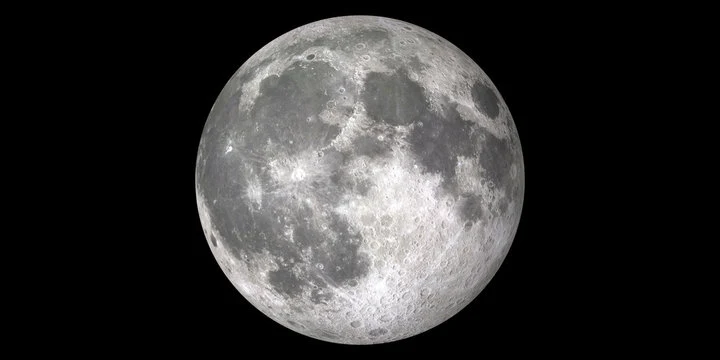
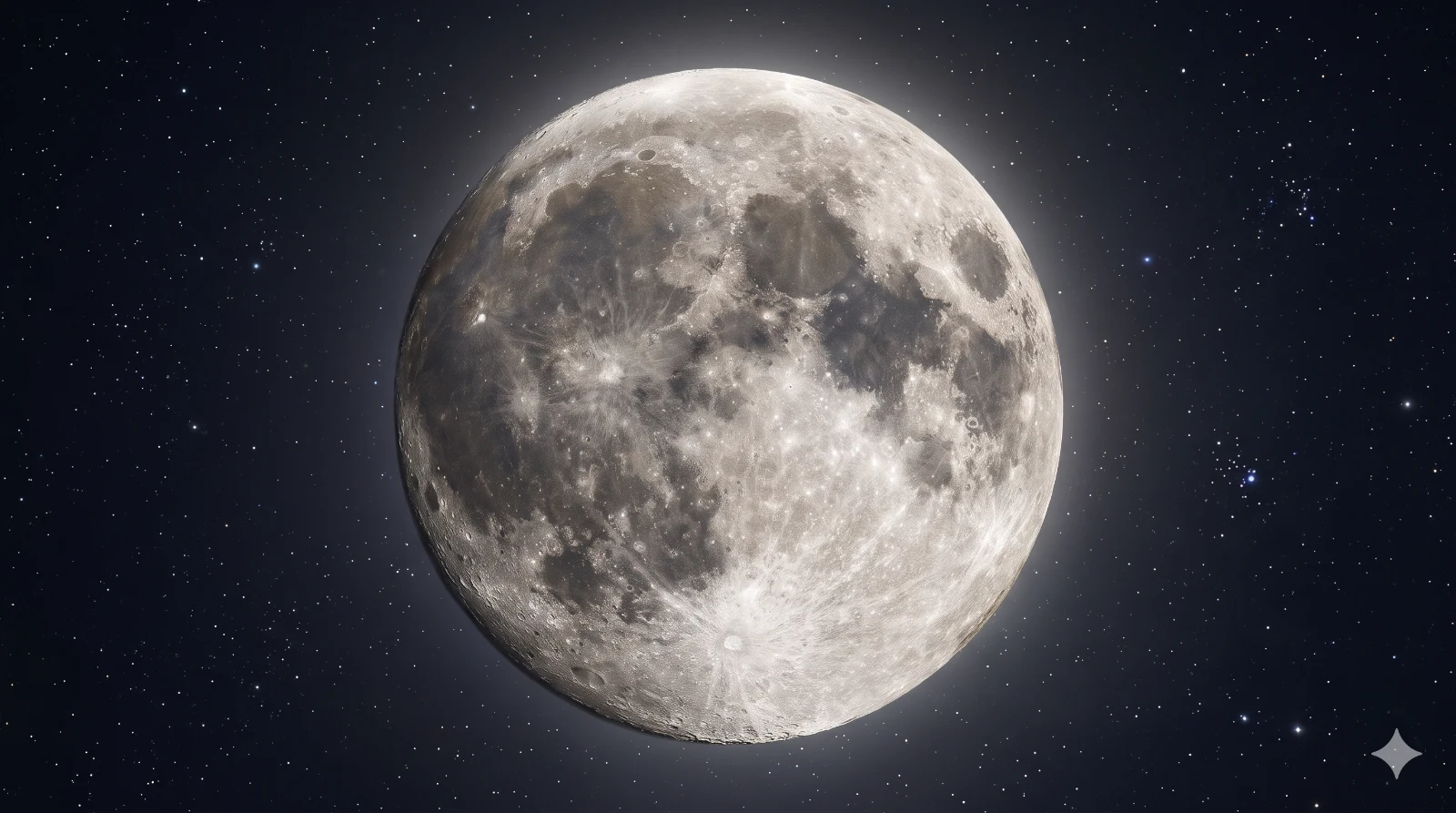
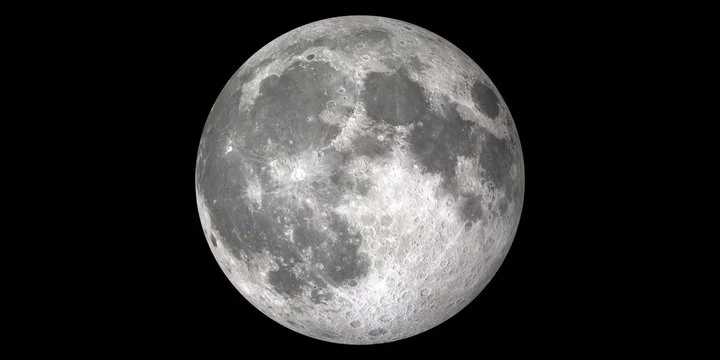
The photographs of the Sharad Purnima moon often capture its intricate details, showcasing its craters, ‘maria’ (the dark, smooth plains), and the subtle textures of its surface. These high-definition images, often taken through telescopic and deep-sky astrophotography, serve multiple purposes:
- Wallpapers and Lock Screens: For those who appreciate a deep, serene, and natural background on their phones or desktops, these high-quality images offer a visually stunning choice.
- Family and Religious Greetings: These pictures are perfect for sending wishes to loved ones during Sharad Purnima, Kojagiri Lakshmi Puja, or Satyanarayan Katha occasions.
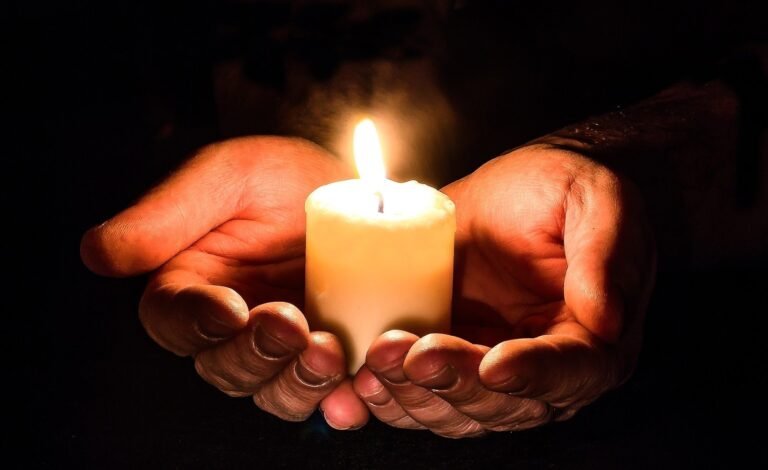
- Meditation and Concentration: The clear, unblemished image of a full moon can have a calming effect, aiding in practices like ‘Chandra Darshan’ (moon gazing) and ‘Trataka’ (candle gazing) for enhanced focus.
Simply sitting on a terrace and gazing at the pure moonlight for a while can bring immediate peace and tranquility, washing away the day’s fatigue.
Cultural and Traditional Practices
Sharad Purnima is celebrated with various customs across India:
- Kojagiri Vrat: In many parts of India, especially West Bengal and Odisha, it is observed as Kojagiri Purnima or Kojagari Lakshmi Puja, dedicated to Goddess Lakshmi. Devotees stay awake all night (Kojagaran means ‘who is awake’) to welcome the goddess, believing she visits and blesses those who are alert.
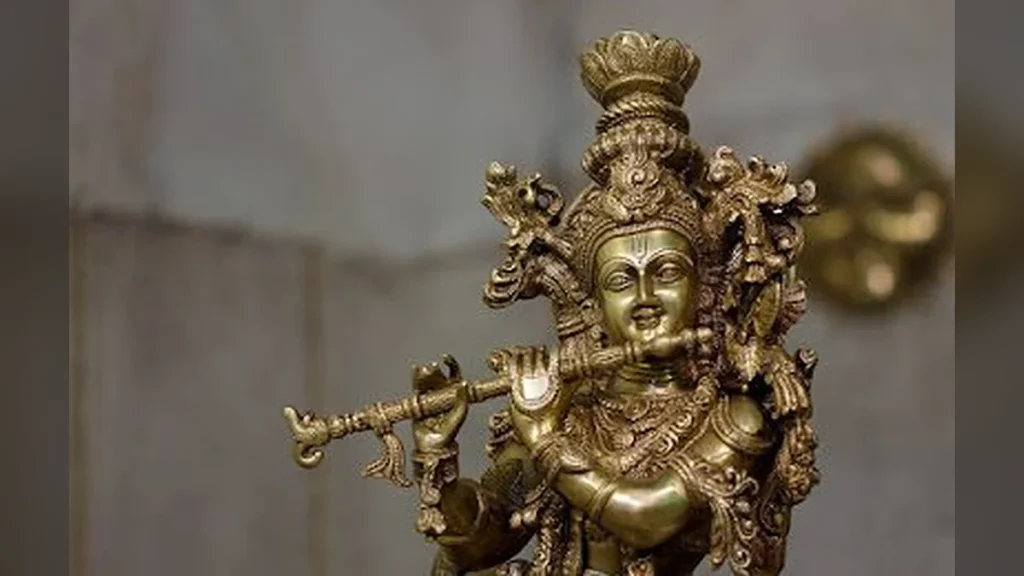
- Ras Leela: In North India, particularly in Braj, it is believed that Lord Krishna performed the ‘Ras Leela’ with the Gopis on this night, making it a sacred occasion for devotees of Krishna.
- Ayurvedic Practices: As mentioned, consuming food prepared under moonlight is a key Ayurvedic tradition, believed to enhance health and well-being.
Frequently Asked Questions (FAQs)
What is the main significance of Sharad Purnima?
Sharad Purnima is significant as the night the moon is believed to be in its fullest glory with all 16 ‘kalas’, showering cool, radiant moonlight. It’s associated with health, prosperity, and spiritual awakening.
Why is moonlight considered beneficial on Sharad Purnima?
According to Ayurveda, the moonlight on Sharad Purnima is believed to possess medicinal properties that can pacify ‘Pitta dosha’ and promote healing. Consuming food exposed to this moonlight is thought to be particularly beneficial.
What are the traditions associated with Sharad Purnima?
Key traditions include staying awake to welcome Goddess Lakshmi (Kojagiri Vrat), performing the Ras Leela in Krishna temples, and consuming food prepared under the full moon’s light.
Can I use Sharad Purnima moon photos for religious purposes?
Yes, these photos can be used to send blessings and good wishes to family and friends during Sharad Purnima and related pujas like Kojagiri Lakshmi Puja.
What is the scientific explanation for the moon’s appearance on Sharad Purnima?
Scientifically, the moon’s appearance is due to clear atmospheric conditions post-monsoon, allowing its light to reach Earth with minimal obstruction, making it seem exceptionally bright and clear. The ’16 kalas’ concept is a traditional description of this perceived perfection.
Embracing the Radiance
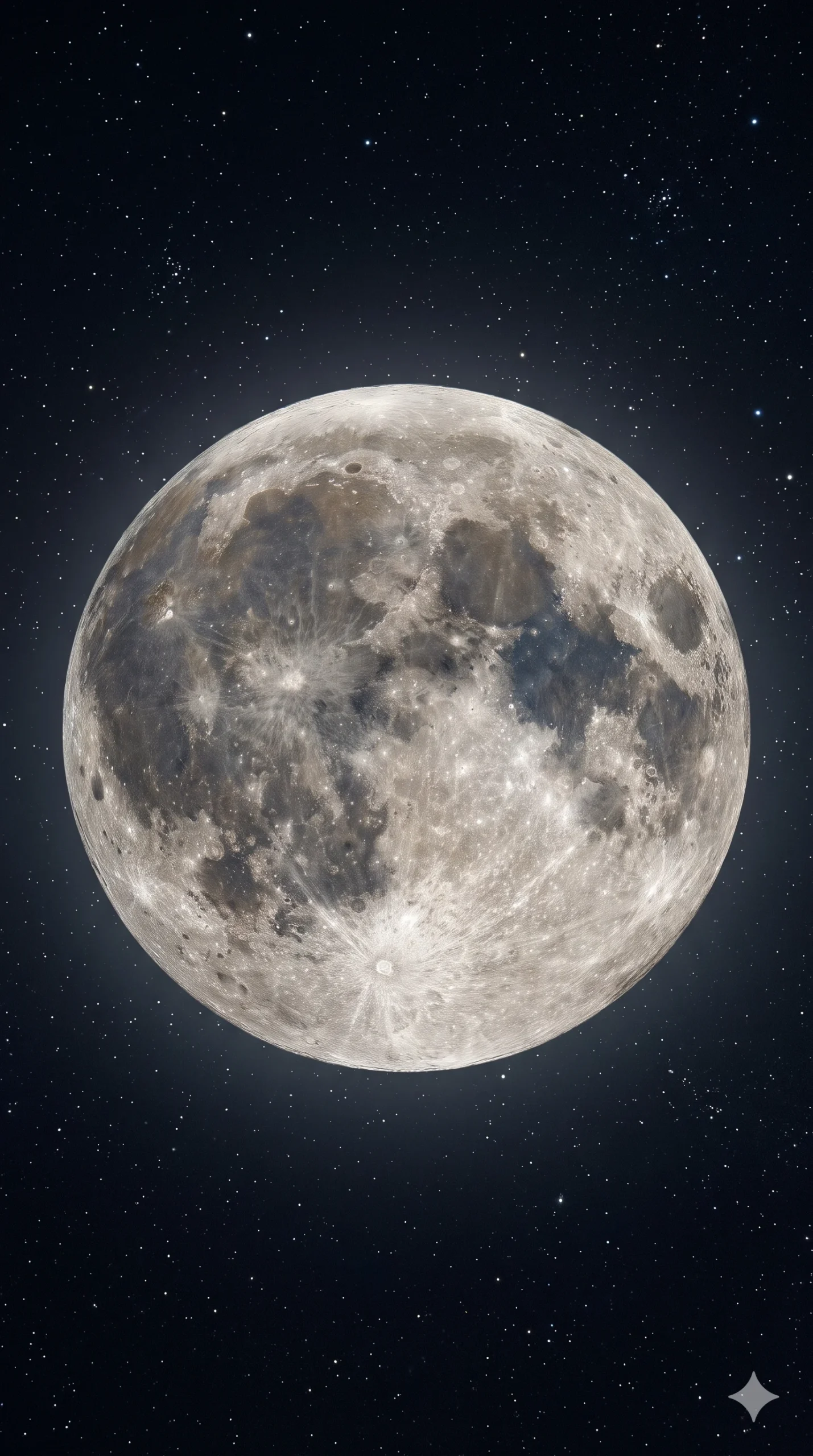
Sharad Purnima offers a beautiful blend of scientific phenomena and deep-rooted cultural beliefs. Whether you are admiring the moon’s celestial beauty, participating in traditional rituals, or simply enjoying the serene moonlight, this night holds a special place in the hearts of many. The captivating images of the Sharad Purnima moon serve as a reminder of nature’s grandeur and the enduring traditions that connect us to the cosmos.