What is Ekadashi?
The word ‘Ekadashi’ originates from ‘Ekadash,’ meaning ‘eleven.’ In the Hindu lunar calendar, it falls on the eleventh day of both the waxing (Shukla Paksha) and waning (Krishna Paksha) phases of the moon each month. Typically, there are 24 Ekadashis in a year. However, in a leap year (Adhik Maas or Malmas), two additional Ekadashis are observed, bringing the total to 26. Each Ekadashi has a unique name and significance, but all are primarily dedicated to the worship of Lord Vishnu.
The Importance of Ekadashi Vrat
The significance of the Ekadashi Vrat extends beyond religious beliefs, encompassing numerous scientific and physical benefits.
1. Spiritual Significance
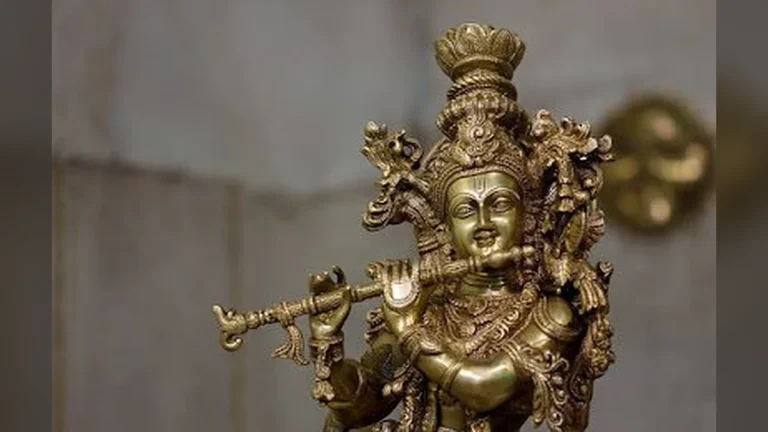
- Lord Vishnu’s Grace: Ekadashi is dedicated to Lord Vishnu. Observing this fast and performing prayers is believed to please the deity, bestowing blessings of prosperity, well-being, and spiritual liberation (Moksha) upon devotees.
- Absolution from Sins: It is believed that observing the Ekadashi Vrat helps in atoning for sins, both intentional and unintentional, and frees individuals from the negative consequences of their actions.
- Purity of Mind and Concentration: During the fast, controlling one’s senses and adopting a sattvic (pure) lifestyle purifies the mind. This enhances meditation and concentration, leading to spiritual growth.
- Attainment of Moksha: Many scriptures describe the Ekadashi Vrat as a significant means to achieve Moksha, the liberation from the cycle of birth and death.
- Symbol of Devotion: This fast is a testament to unwavering faith and devotion towards the divine, inspiring individuals to follow the path of righteousness.
2. Scientific and Physical Significance
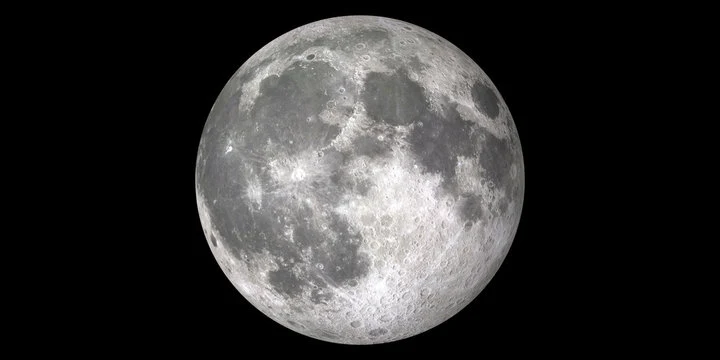
- Body Detoxification: According to Ayurveda, the moon’s influence on the body’s water content is heightened during Ekadashi. Fasting helps in expelling toxins from the body and allows internal organs to rest and rejuvenate.
- Digestive System Rest: Regular fasting provides the digestive system with a much-needed break, improving its efficiency and potentially alleviating issues like gas, acidity, and constipation.
- Metabolism Improvement: Fasting can help regulate the body’s metabolism, contributing to better weight management and improved energy levels.
- Mental Peace and Stress Relief: Temporarily detaching from worldly distractions and engaging in introspection during the fast brings mental peace, helping to reduce stress and anxiety.
- Self-Control and Willpower: Fasting teaches us to control our desires, strengthening willpower and fostering self-discipline.
3. Social and Cultural Significance
- Community Spirit: Often observed by families and communities together, Ekadashi Vrat strengthens social bonds.
- Preservation of Traditions: This observance helps keep ancient cultural and religious traditions alive, inspiring future generations to stay connected to their roots.
Methodology of Ekadashi Vrat
The Ekadashi Vrat is observed with specific guidelines:
Day Before (Dashami Tithi)
- Consume sattvic food.
- Avoid eating after sunset.
- Practice celibacy and maintain pure thoughts.
On Ekadashi Day
- Morning Ablutions: Wake up before sunrise, bathe, and wear clean clothes.
- Vow (Sankalp): Take a vow for the fast, holding water and rice in your hand.
- Worship of Lord Vishnu: Install an idol or image of Lord Vishnu at home. Bathe the deity with Panchamrita (milk, yogurt, ghee, honey, Ganga water). Offer sandalwood, turmeric, kumkum, rice, tulsi leaves, flowers, fruits, and food (bhog). Perform Aarti (worship with lamps).
- Mantra Chanting: Chant ‘Om Namo Bhagavate Vasudevaya’ 108 times. Reciting Vishnu Sahasranama is also beneficial.
- Vrat Katha: Recite or listen to the specific Ekadashi Vrat Katha for the day.
- Fasting Type: Observe the fast according to your physical capacity – Nirjala (without water), consuming only water, or Falāhāra (fruits, milk, yogurt). Consumption of grains is strictly prohibited.
- Night Vigil: If possible, stay awake through the night, engaging in devotional singing and chanting.
On Dwadashi Day (Breaking the Fast)
- Parana Muhurta: The fast should be broken during an auspicious time on Dwadashi Tithi, as indicated by the almanac.
- Brahmin Meal/Donation: Before breaking the fast, offer food or donations to a Brahmin.
- Sattvic Meal: Begin by consuming a tulsi leaf and water, followed by a sattvic meal. Consumption of rice and urad dal is generally avoided.
What to Do and Not Do on Ekadashi
Do’s:
- Worship Lord Vishnu and Goddess Lakshmi.
- Chant ‘Om Namo Bhagavate Vasudevaya’.
- Perform acts of charity and feed the needy.
- Remain calm and focus your mind on devotion.
- Offer water to the Tulsi plant, but do not pluck its leaves.
Don’ts:
- Do not consume rice, lentils (especially urad dal), grains, onions, garlic, non-vegetarian food, or tamasic (impure) food.
- Do not cut hair or nails.
- Do not lie, get angry, or insult anyone.
- Avoid any form of physical intimacy.
- Do not cut plants or trees.
- Refrain from gambling, speculation, or any form of addiction.
Major Ekadashis and Their Specific Significance
Each Ekadashi observed each month has a unique name and importance. Some prominent ones include:
- Nirjala Ekadashi: Observed in the Shukla Paksha of Jyeshtha month, this fast is undertaken without consuming water and is believed to yield the benefits of all 24 Ekadashis.
- Devashayani Ekadashi: The Ekadashi in the Shukla Paksha of Ashadha month, marking the beginning of Lord Vishnu’s four-month-long slumber (Yoganidra).
- Devutthana Ekadashi: The Ekadashi in the Shukla Paksha of Kartik month, signifying Lord Vishnu’s awakening from Yoganidra, after which auspicious activities resume.
- Mokshada Ekadashi: Observed in the Shukla Paksha of Margashirsha month, this Ekadashi is believed to grant liberation (Moksha).
- Putrada Ekadashi: The Ekadashi in the Shukla Paksha of Pausha month, observed by those seeking the boon of children.
Conclusion
The Ekadashi Vrat is more than just a religious tradition; it is a holistic lifestyle that strengthens individuals physically, mentally, and spiritually. It offers an opportunity to connect with nature, learn self-control, and deepen one’s devotion. Observing this fast not only accrues merit but also infuses one with positive energy. If you seek peace, health, and spiritual growth in your life, observing the Ekadashi Vrat is highly recommended.