
The Spiritual and Scientific Significance of Prayer Before and After Meals
In many cultures, food is more than just sustenance; it’s considered a sacred gift from nature. This reverence for food is deeply embedded in traditions worldwide, leading to the practice of offering prayers before and after meals. But why is this tradition so enduring? Is it merely an age-old custom, or does it hold profound spiritual and scientific benefits? This article delves into the reasons behind mealtime prayers, their advantages, and how you can incorporate them into your daily life.
The Importance of Prayer Before Eating
Offering a prayer before a meal is not just about acknowledging a higher power; it carries several significant meanings:
1. Cultivating Gratitude
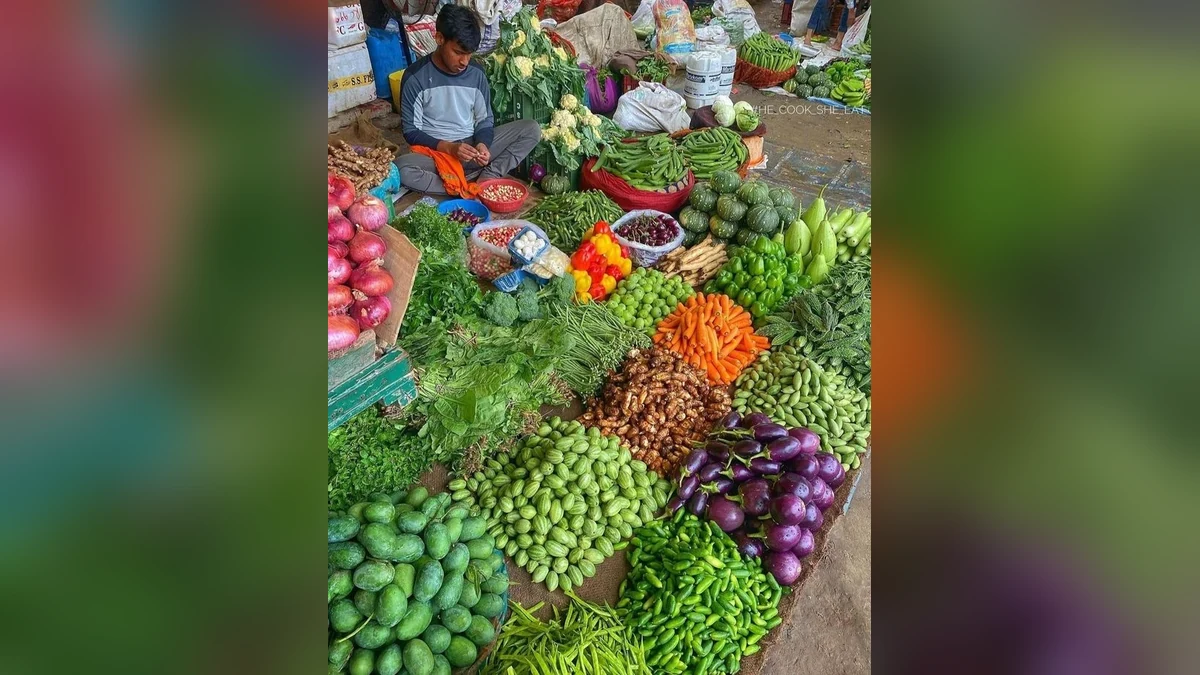
The journey of food to our plates is complex, involving the hard work of farmers, the essential contributions of sun, water, and soil, and the care of those who prepare it. A pre-meal prayer provides an opportunity to express gratitude for all these elements and individuals. It reminds us that our food is a result of collective effort and nature’s blessings.
2. Purifying the Food
It is believed that praying before consuming food helps purify it, neutralizing any potential negative energies. This spiritual cleansing is thought to make the food more beneficial, not just physically but also mentally and spiritually.
3. Enhancing Focus and Mindfulness
In our fast-paced lives, meals are often accompanied by distractions like television, phones, or work. A pre-meal prayer encourages a pause, allowing us to focus on the food. This practice promotes mindful eating, where we can fully appreciate the taste, aroma, and texture of our meal, which is also crucial for proper digestion.
4. Promoting Health and Positive Energy
When we approach our food with gratitude and positive thoughts, our bodies absorb nutrients more effectively. Scientific research suggests that positive emotions can indeed improve digestion. A prayer can transform a meal into a source of positive energy for both body and mind.
How to Pray Before Eating
There are no strict rules; you can adapt this practice to your beliefs and comfort:
- Simple Gratitude: Pause for a moment and silently or softly say, “Thank you for this food.”
- Traditional Mantras: Many recite verses like the Annapurna Stuti or specific Sanskrit shlokas. A common mantra is: “Brahmaarpanam Brahma Havir Brahmagnau Brahmana Hutam. Brahm Vakya Tena Gantavyam Brahm Karma Samadhina.” This translates to the idea that offering, oblation, fire, and the act of offering are all divine, and the recipient of this divine act is Brahman.
- Remembering Your Deity: Invoke your chosen deity and offer the food to them.
The Importance of Prayer After Eating
Just as prayer before a meal is significant, expressing thanks after eating is equally important:
1. Fostering Contentment and Gratitude
After a meal, we often feel satisfied. This post-meal prayer allows us to express gratitude for that satisfaction. It serves as a reminder of the abundance we have received, especially when considering those who may not have enough food, fostering humility and contentment.
2. Balancing Digestion and Energy
Praying after a meal can calm the mind, creating a conducive environment for digestion. It helps the body assimilate the energy from the food positively. Ayurvedic principles also advocate for a calm state of mind post-meal.
3. Strengthening Spiritual Connection
This practice reminds us of our connection to the divine as the source of all nourishment. Acknowledging this connection reinforces our spiritual bond.
How to Pray After Eating
Simple ways to offer post-meal prayers include:
- Simple Thanks: “Thank you for this nourishment and energy.”
- Divine Remembrance: “O Divine, thank you for providing this meal. May I use this energy for good deeds.”
- Brief Meditation: Close your eyes for a moment and reflect on the completion of the meal and the energy it has provided.
The Debate: Formal Worship vs. Inner Prayer After Meals
There’s often a discussion about whether formal worship should be performed immediately after eating. Let’s consider a balanced perspective:
Formal ‘puja’ (worship) often involves specific rituals, cleanliness, and a high degree of concentration. After a meal, some people may feel a sense of lethargy, which could potentially hinder deep concentration during formal worship. This is why some suggest avoiding elaborate rituals right after eating.
However, ‘prayer’ is an internal expression of gratitude, remembrance, and devotion. It can be offered at any time and in any state. The prayers before and after meals fall into this category – they are heartfelt expressions of thanks that don’t require strict adherence to external rules.
So, if the question is about formal ‘puja’, it might be advisable to wait a bit if you feel sluggish. But if it’s about ‘prayer’ and expressing gratitude, doing so after a meal is not only appropriate but highly beneficial. The sincerity of your intention and emotion is what truly matters.
Integrating Mealtime Prayers into a Modern Lifestyle
In our busy schedules, it’s easy to feel we don’t have time for these practices. However, they can be easily incorporated:
- A Few Seconds of Silence: Take just 5-10 seconds before and after eating for a silent, mental thank you.
- As a Family: If dining with family, you can collectively say a short prayer or a phrase of gratitude.
- Increase Awareness: Pay attention to the taste and nutritional value of each bite. This awareness is a form of prayer in itself.
- Consistency is Key: It might feel unusual at first, but with practice, it becomes a habit, and you’ll begin to notice its positive effects.
A Simple Piece of Advice
Life moves incredibly fast, and we often eat while preoccupied. Remember, the food we consume nourishes our body and mind. So, whenever you eat, pause for just a second or two. Take a deep breath and silently say, “Thank you for this food,” or “May this food give me strength, and may I use it wisely.” Do the same after eating. This practice not only helps you appreciate your food but can also improve digestion and bring a sense of positivity. It’s not a grand ritual, but a simple mindful practice that can enhance your life. Give it a try!
Frequently Asked Questions
Why is it important to pray before eating?
Praying before eating cultivates gratitude for the food and its sources, purifies the meal spiritually, enhances mindfulness, and promotes positive energy absorption, contributing to better physical and mental well-being.
What should I say when praying before a meal?
You can express simple gratitude like “Thank you for this food,” recite a traditional mantra, or remember your chosen deity. The key is sincerity and appreciation.
Does prayer after eating have benefits?
Yes, prayer after eating fosters contentment, expresses gratitude for nourishment, calms the mind to aid digestion, and strengthens one’s spiritual connection by acknowledging the divine source of sustenance.
Is it necessary to perform formal worship after eating?
While formal worship might be better performed when feeling alert, an internal prayer of gratitude after a meal is highly beneficial and appropriate. The intention and feeling behind the prayer are most important.
How can I incorporate mealtime prayers into a busy schedule?
You can integrate this practice by taking a few seconds of silence for a mental thank you, praying with family, or simply increasing your awareness of the food you are eating. Consistency is more important than duration.



















Share Your Opinion
Comments are closed on this post.