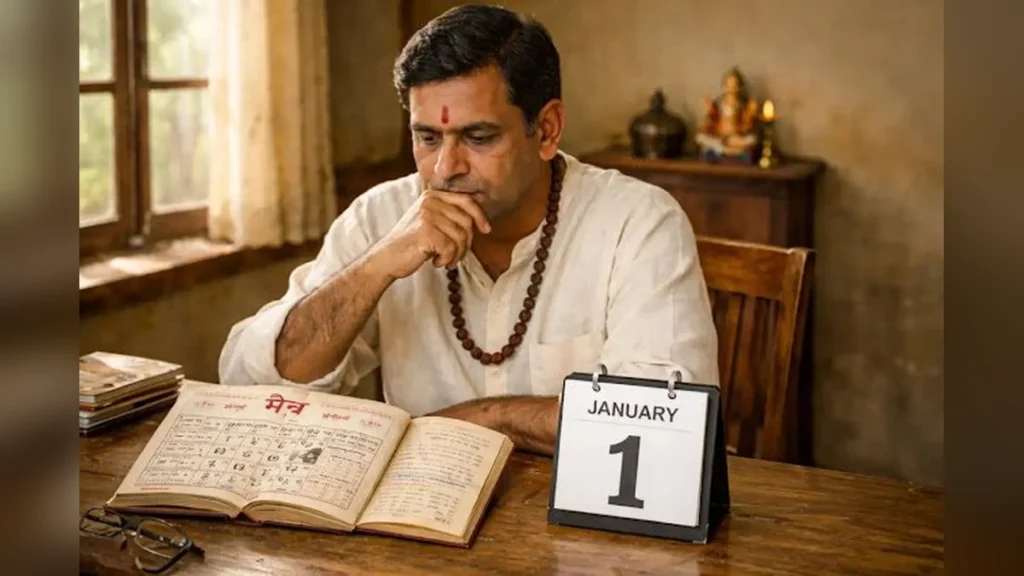
The Surprising History of New Year’s Day
As the clock strikes midnight on December 31st, millions around the world usher in a new year with celebrations, resolutions, and a sense of fresh beginnings. But have you ever paused to wonder why we specifically celebrate New Year on January 1st? The truth is, this date for New Year’s Day is a relatively recent development in human history, shaped by ancient calendars, political reforms, and astronomical observations.
Ancient New Year Celebrations: A Different Time

For much of ancient history, the concept of a fixed New Year’s Day on January 1st simply didn’t exist. Many early civilizations, including the Romans in their earliest days, aligned their New Year with natural cycles, most commonly the spring equinox. This period, around March 21st, marked the beginning of spring, a time of renewal and rebirth in nature. It was a logical time to begin a new year, symbolizing growth and new life after the dormancy of winter.
Some cultures also celebrated their New Year around April 1st. The reasoning was straightforward: when nature itself was bursting with new life, it felt like the most appropriate time to mark a new beginning. The idea of celebrating in the dead of winter seemed counterintuitive to many.
Julius Caesar’s Calendar Reform: The January Shift
The significant shift towards January 1st as New Year’s Day began with the Roman dictator Julius Caesar. Around 46 B.C., Caesar, advised by astronomers, introduced the Julian calendar. This reform aimed to create a more accurate and consistent calendar system that better aligned with the solar year.
Key changes introduced by the Julian calendar included:
- The addition of January and February to the existing ten months.
- The official designation of January 1st as the start of the year.
The month of January was named in honor of Janus, the Roman god of beginnings, endings, and transitions. Janus was depicted with two faces, one looking to the past and the other to the future, making it a fitting symbol for the start of a new year. Despite this reform, it took centuries for January 1st to be universally adopted. Many communities continued to celebrate the New Year in March or other traditional times.
The Gregorian Calendar and Universal Adoption
While the Julian calendar was a significant improvement, it still had minor inaccuracies. By the 16th century, the calendar had drifted enough to cause noticeable discrepancies with the seasons. To correct this, Pope Gregory XIII introduced the Gregorian calendar in 1582. This calendar, which is the one most of the world follows today, refined the leap year rule and further solidified January 1st as the universally recognized New Year’s Day.
The adoption of the Gregorian calendar was a gradual process, with different countries and regions switching over at various times. However, by the 18th and 19th centuries, January 1st had become the standard date for celebrating the New Year across much of the Western world and subsequently, globally.
The April Fool’s Connection?
A popular, though not definitively proven, theory links the tradition of April Fools’ Day to the calendar change. The idea is that when the New Year was shifted to January 1st, some people were slow to adopt the change and continued to celebrate on April 1st. Those who had adopted the new date supposedly began to play pranks on those still celebrating on April 1st, leading to the tradition of April Fools’ Day. While the exact origins of April Fools’ Day are debated, this theory offers an intriguing historical connection.
New Year in India: A Rich Tapestry of Traditions
In India, the celebration of New Year is a vibrant and diverse affair, reflecting the country’s rich cultural and religious heritage. Unlike the singular focus on January 1st, India observes New Year’s Day on multiple occasions throughout the year, each tied to specific cultural and religious calendars:
- Gudi Padwa: Celebrated in Maharashtra, typically in March or April, marking the beginning of the Marathi New Year.
- Ugadi: Observed in Karnataka, Andhra Pradesh, and Telangana, also in March or April, signifying the start of the Telugu and Kannada New Year.
- Baisakhi: A harvest festival celebrated in Punjab around April 13th or 14th, marking the Punjabi New Year.
- Navratri/Chaitra Shukla Pratipada: Many North Indian communities celebrate the New Year during this period in March or April.
These festivals are celebrated with unique customs, rituals, and feasts, highlighting the multifaceted nature of New Year celebrations in India. While January 1st is also acknowledged and celebrated, particularly in urban areas and by younger generations influenced by global trends, these traditional New Year festivals hold deep cultural significance.
Conclusion: A Date, A Feeling, A New Beginning
The journey of New Year’s Day from ancient spring festivals to the fixed date of January 1st is a fascinating tale of history, astronomy, and cultural evolution. While the Gregorian calendar provides a globally recognized date, the spirit of a new beginning is universal. Whether you celebrate on January 1st, Gudi Padwa, Baisakhi, or any other day that signifies a fresh start for you, the most important aspect is the intention to embrace change, set new goals, and look forward with hope and optimism. The real New Year is when you decide to make a fresh start.
Frequently Asked Questions
When did the New Year start being celebrated on January 1st?
The shift towards January 1st as New Year’s Day began with Julius Caesar’s calendar reform in 46 B.C. However, it took centuries for this date to become universally adopted, with the Gregorian calendar in 1582 further solidifying it.
Why did ancient cultures celebrate New Year in March?
Many ancient cultures, including early Romans, celebrated their New Year around the spring equinox (March 21st) because it symbolized renewal and rebirth in nature, a more logical time for a new beginning than the middle of winter.
Who changed the calendar to start the year on January 1st?
Julius Caesar introduced the Julian calendar around 46 B.C., which officially designated January 1st as the start of the year. This was later refined and confirmed by Pope Gregory XIII with the Gregorian calendar in 1582.
Does India celebrate New Year on January 1st?
While January 1st is recognized and celebrated in India, the country also observes New Year on multiple traditional dates throughout the year, such as Gudi Padwa, Ugadi, and Baisakhi, reflecting its diverse cultural and religious calendars.
What is the significance of January 1st for New Year?
January 1st became the globally recognized New Year’s Day due to the Julian and later the Gregorian calendar reforms. It is named after Janus, the Roman god of beginnings, symbolizing a transition from the old year to the new.