Nestled in the serene landscapes of Jharkhand, where the whispering forests meet the roaring waters of sacred rivers, lies one of India’s most profound spiritual destinations. The Chhinnamasta Temple Rajrappa, located in the Ramgarh district, is not merely a place of worship; it is a powerful epicenter of faith, ancient history, and deep spiritual energy. Dedicated to Goddess Chhinnamasta, the sixth of the ten Mahavidyas (wisdom goddesses) in Shaktism, this temple draws lakhs of devotees, spiritual seekers, and travelers every year who wish to experience its unique, mystical atmosphere.
The temple is beautifully situated at the holy confluence of the Damodar and Bhairavi (locally known as Bhera) rivers. This natural setting adds a layer of tranquil beauty to the otherwise intense spiritual vibrations of the shrine. For centuries, Rajrappa has been revered as a prime seat of Tantric sadhana, attracting mystics and scholars from all corners of the subcontinent. To truly appreciate the Chhinnamasta Temple Rajrappa, one must look past modern internet sensationalism and understand the profound historical, cultural, and symbolic layers that define this sacred space.
Whether you are planning a pilgrimage to seek the blessings of the Divine Mother or a traveler eager to explore the rich heritage of Jharkhand, this comprehensive guide offers a respectful, detailed, and practical roadmap. We explore the temple’s origins, decode the deep spiritual symbolism of the deity, and provide essential travel tips for your journey.
The Sacred Confluence: Origin, History, and Cultural Roots
The history of the Chhinnamasta Temple Rajrappa is deeply intertwined with the ancient spiritual geography of Eastern India. While the exact date of the original temple’s construction remains lost to antiquity, historical texts and local traditions suggest that this site has been a center of Shakti worship for over a thousand years. The temple is situated on a small hillock, overlooking the dramatic meeting point of the Damodar and Bhairavi rivers. In Hindu tradition, the confluence of rivers (Sangam) is considered highly auspicious, acting as a natural conduit for cosmic energy.
Historically, the region of Rajrappa was part of dense, inaccessible forests, making it an ideal location for esoteric spiritual practices. It became a major hub for Tantric practitioners, particularly of the Vajrayana Buddhist and Hindu Shakta traditions, who sought solitude to perform intense meditation. Over the centuries, local rulers and devotees contributed to the upkeep and reconstruction of the temple complex, transforming it from a secluded forest shrine into a well-known pilgrimage site.
In terms of administrative history, the temple falls within the Ramgarh district of Jharkhand. The local communities, including tribal and non-tribal populations, have coexisted here for generations, sharing a deep-seated reverence for the Goddess. Today, the temple stands as a symbol of cultural synthesis, where ancient scriptural traditions blend seamlessly with local folklore and community faith.
Decoding the Iconography: Symbolism vs. Sensationalism
To the uninitiated, the visual representation of Goddess Chhinnamasta can be startling. The deity is depicted holding her own severed head in one hand, while three streams of blood spurt from her neck. One stream is drunk by her own severed head, while the other two streams are consumed by her two female attendants, Dakini and Varnini. She is often depicted standing upon the copulating couple, Kamadeva (the god of love) and Rati (the goddess of desire).
While modern internet claims sometimes sensationalize this imagery as “frightening” or associate it with dark folklore, classical Hindu philosophy views this iconography with deep reverence (Shraddha) and intellectual sophistication. The symbolism can be understood through three distinct layers:
- The Severed Head (Ego Transcendence): In Shakta philosophy, the head represents the human ego, intellect, and worldly attachments. By severing her own head, the Goddess symbolizes the ultimate sacrifice of the ego, which is necessary to achieve self-realization and spiritual liberation (Moksha).
- The Three Streams of Blood (The Flow of Prana): The three streams of blood represent the cosmic life force (Prana) flowing through the three primary subtle energy channels (Nadis) of the human body: Ida, Pingala, and Sushumna. The act of feeding herself and her attendants symbolizes the eternal cycle of creation, preservation, and destruction—showing that life is sustained through self-sacrifice and the redistribution of cosmic energy.
- Standing on Kamadeva and Rati (Overcoming Desire): Rather than representing violence, standing atop Kamadeva and Rati symbolizes the control over worldly desires, lust, and sensory attachments. It represents the sublimation of sexual energy into spiritual energy (Kundalini Shakti), leading to higher consciousness.
FACT BOX: Myth vs. Reality of Chhinnamasta Temple
- Myth: The temple is a place of dark, harmful black magic.
Reality: The temple is a highly revered Shakta pilgrimage site. Tantra practiced here historically focuses on self-realization, spiritual discipline, and cosmic energy, not harming others.- Myth: The iconography of the Goddess represents anger and destruction.
Reality: Symbolically, she represents self-sacrifice, the nurturing of life, and the ultimate victory of spiritual consciousness over the human ego.- Myth: It is one of the official 51 primary Shaktipithas.
Reality: While highly sacred and considered an exceptionally potent “Siddha Peetha” (place of spiritual attainment), it is traditionally classified as an auxiliary or sub-Shaktipitha.- Myth: Only esoteric Tantric practitioners are allowed to visit.
Reality: The temple is open to all devotees, families, and tourists who approach the deity with respect and devotion.
Rituals, Festivals, and Spiritual Practices
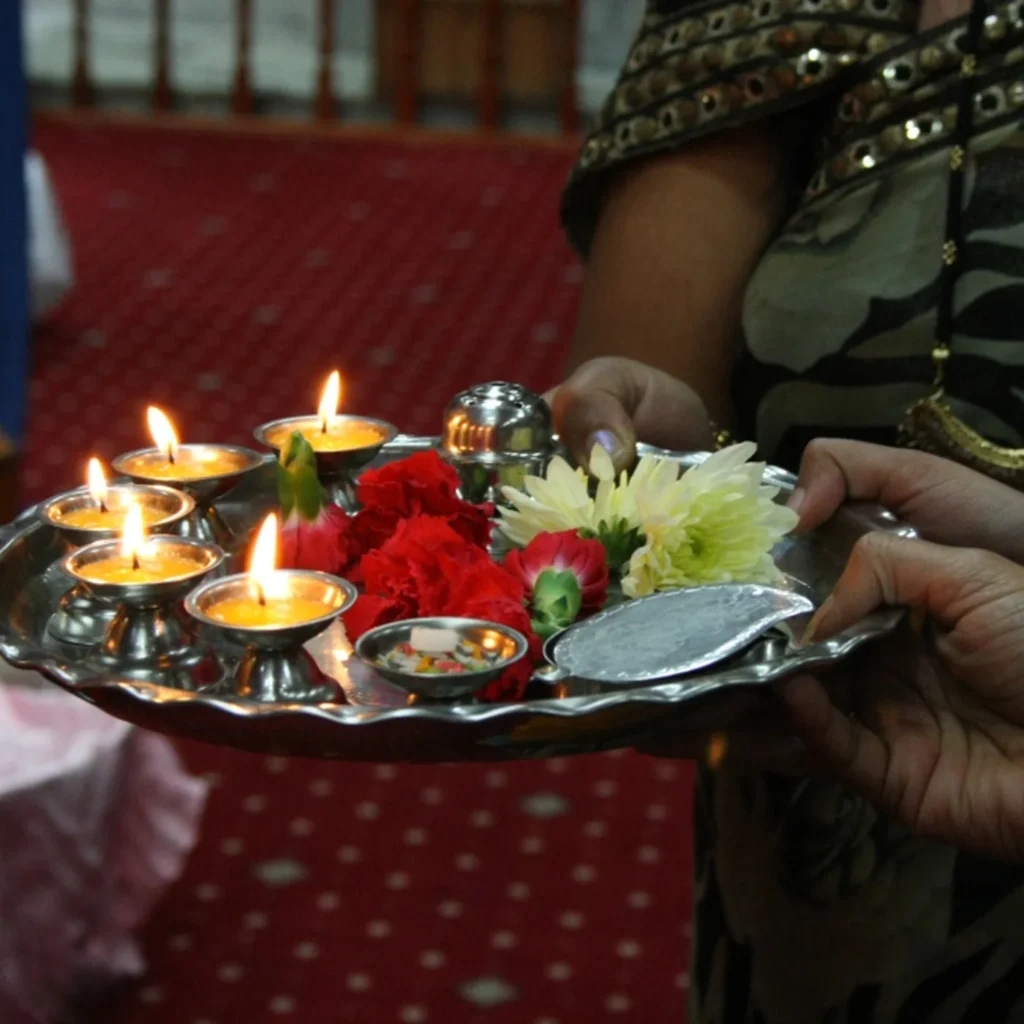
The daily rituals at the Chhinnamasta Temple Rajrappa are conducted with strict adherence to Vedic and Tantric traditions. Devotees offer red flowers, coconuts, sweets, and red drapes (Chunri) to the Goddess, as red is considered highly auspicious in Shakti worship. While animal sacrifice was historically a common practice in many ancient Shakta temples, today, symbolic offerings’such as breaking coconuts or offering symbolic fruits’are widely practiced and encouraged.
The temple complex comes alive during major Hindu festivals, particularly:
- Navratri (Chaitra and Sharad): During these nine holy nights, the temple is beautifully decorated, and thousands of pilgrims queue for hours to catch a glimpse of the deity. Special prayers, Havans (fire rituals), and cultural fairs are organized.
- Kali Puja and Diwali: Given the temple’s strong connection to Tantric traditions, the night of Kali Puja is considered exceptionally powerful. Special midnight rituals and prayers are conducted, attracting spiritual seekers from across the country.
- Makar Sankranti: Thousands of devotees gather at the confluence of the Damodar and Bhairavi rivers to take a holy dip before offering prayers at the temple, believing it cleanses the mind and body.
Practical Travel Guide for Visitors
If you are planning a journey to the Chhinnamasta Temple Rajrappa, here is everything you need to know to ensure a smooth, respectful, and memorable visit.
How to Reach Rajrappa
Rajrappa is well-connected by road, rail, and air to major cities in Jharkhand and neighboring states:
- By Air: The nearest airport is the Birsa Munda Airport (IXR) in Ranchi, located approximately 70 to 80 kilometers away. From the airport, you can easily hire a private taxi or take a state transport bus to reach Rajrappa.
- By Rail: The closest major railway stations are Ramgarh Cantt (about 28 km away) and Ranchi Junction (about 70 km away). Both stations are well-connected to major Indian cities. Taxis and local buses are readily available outside the stations.
- By Road: Rajrappa is easily accessible via National Highways NH-23 and NH-33. Regular bus services operate from Ranchi, Hazaribagh, Bokaro, and Jamshedpur.
Best Time to Visit
The ideal time to visit Rajrappa is during the cooler months, from October to March. The weather during this period is pleasant and comfortable for sightseeing and temple queues. Summers (April to June) can be extremely hot, with temperatures often crossing 40°C. The monsoon season (July to September) brings heavy rainfall, which causes the water levels of the Damodar and Bhairavi rivers to rise significantly, making river bathing unsafe.
Where to Stay
While there are basic dharamshalas (pilgrim guesthouses) and budget lodgings available near the temple complex in Rajrappa, visitors seeking better amenities and comfortable hotels are advised to stay in Ramgarh (28 km away) or Ranchi (70 km away), both of which offer a wide range of accommodation options to suit all budgets.
Respectful Visitor Guidelines
- Dress Code: Dress modestly and respectfully. Avoid revealing clothing, as this is a highly revered religious site.
- River Safety: If you choose to take a holy dip at the confluence of the Damodar and Bhairavi rivers, exercise extreme caution. Follow local safety signs and avoid going deep into the water, especially during or immediately after the monsoons.
- Avoid Scams: Be cautious of unauthorized local guides or individuals promising “instant blessings” or “special rituals” for large sums of money. Stick to the official temple priests and standard donation counters.
- Photography: Photography inside the inner sanctum (Garbhagriha) of the temple is strictly prohibited to maintain the sanctity of the deity. You may take photos of the temple exterior and the beautiful surrounding landscape.
Conclusion: A Journey of Faith and Inner Peace
A visit to the Chhinnamasta Temple Rajrappa is more than just a travel itinerary; it is an encounter with the deep-rooted spiritual heritage of India. The dramatic meeting of the two rivers, the ancient stone walls of the temple, and the profound, ego-shattering symbolism of Goddess Chhinnamasta all come together to create an atmosphere of introspection and peace. By approaching this sacred site with respect, open-mindedness, and devotion, visitors can look past the sensationalized myths and experience the true, nurturing energy of the Divine Mother.
FAQ
1. What is the significance of Chhinnamasta Temple Rajrappa?
The temple is dedicated to Goddess Chhinnamasta, one of the ten Mahavidyas. It is highly significant as an ancient center of Tantric worship and Shaktism, located at the sacred confluence of the Damodar and Bhairavi rivers in Jharkhand.
2. Why does Goddess Chhinnamasta hold her own severed head?
In Hindu philosophy, the severed head symbolizes the destruction of the human ego and worldly attachments. The three streams of blood flowing from her neck represent the flow of cosmic life force (Prana) that sustains the universe, showing that life is maintained through self-sacrifice.
3. Is the Chhinnamasta Temple safe for family visits?
Yes, absolutely. While the temple has historical roots in esoteric Tantric practices, today it is a peaceful, highly visited pilgrimage site suitable for families, tourists, and devotees of all ages.
4. Are there any entry fees or special timings for the temple?
There is no entry fee to visit the temple. The temple generally opens early in the morning (around 5:00 AM) and closes after the evening Aarti (around 8:00 PM). Timings may vary slightly during festivals like Navratri.
5. Can I take a bath in the rivers near the temple?
Yes, many devotees take a holy bath at the confluence of the Damodar and Bhairavi rivers before entering the temple. However, always check local water conditions and stay near the designated safe bathing areas, especially during the rainy season.
Disclaimer: This article is intended solely for informational, cultural, historical, and travel analysis purposes. It does not constitute medical, legal, or occult advice. No spiritual or ritual outcomes are guaranteed. Readers are advised to verify travel details, local guidelines, and safety conditions locally before planning their trip. For any personal health or mental well-being concerns, please consult a qualified professional.