
Understanding Taste Addiction in Children
It’s a common scenario: a child’s face lights up at the mention of pizza or burgers, but dims at the sight of simple dal and rice. This isn’t merely picky eating; it’s often a sophisticated form of taste addiction. The modern food landscape, saturated with highly processed snacks and fast foods, bombards children’s developing palates with intense flavours. These foods are typically loaded with excessive salt, sugar, and fat, which can effectively ‘hijack’ a child’s taste buds. Once accustomed to these powerful flavour profiles, the subtle, natural tastes of home-cooked meals can seem bland and unappealing. This creates a biological trap where the brain, accustomed to high-stimulus foods, loses its sensitivity to the nuanced flavours of natural ingredients. Consequently, home food gets labelled as ‘boring’. It’s crucial to understand that a child’s taste is not innate but is shaped by their environment and dietary experiences.
The Bitter Truth About Processed Foods and Their Health Impact
Market-bought foods often contain preservatives and artificial colours that not only enhance taste but can also be detrimental to a child’s health. Children who consistently avoid home-cooked meals are frequently at risk of nutritional deficiencies. Lack of essential iron, calcium, and vital vitamins can directly impact their physical development, concentration, and overall well-being. Regular consumption of fast food can also lead to early onset of childhood obesity and digestive issues, serious concerns that should not be overlooked. Wholesome, home-prepared meals provide essential nutrients and strengthen a child’s immune system. While natural alternatives exist, introducing children to nutrient-rich wild vegetables or other less common, nutritious foods can be a way to expand their palate, but this requires careful preparation and education.
The Link Between Home Environment and Eating Habits
Children learn by imitation. If parents frequently opt for outside food, children are likely to mirror these habits. To encourage a child to eat home-cooked meals, parents must prioritise them themselves. Family meals eaten together at the dining table foster a positive attitude towards food. Mealtime should not be a chore or a punishment, but an enjoyable activity. Involving children in simple kitchen tasks can create a stronger connection to the food they help prepare. This process requires patience. Instead of forcing children to eat, educate them about their food choices, explaining which foods provide energy and which are primarily for taste.
Should Junk Food Be Banned Entirely?
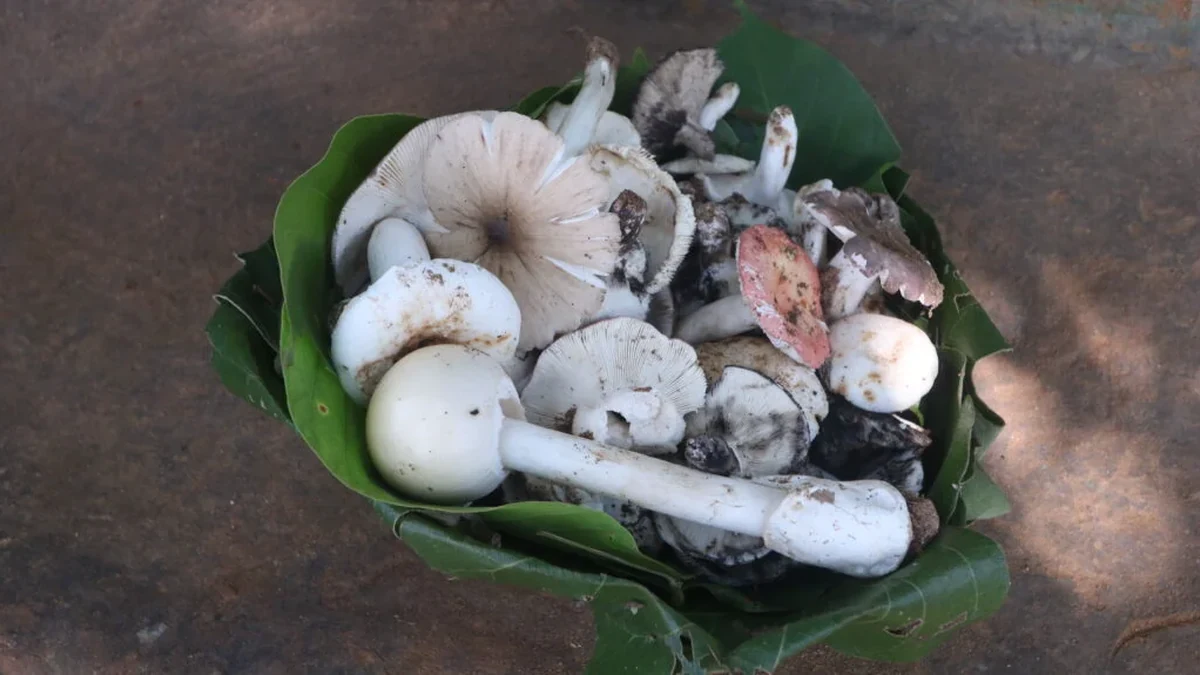
Abruptly banning junk food can sometimes backfire, leading children to view it as forbidden and seek it out secretly. A more balanced approach, like the 80/20 rule, is often effective: 80% of the time, offer nutritious home-cooked meals, and for the remaining 20%, allow a small, occasional treat. This treat should not be used as a reward but as a normal option. As children become accustomed to the taste of home-cooked food, their cravings for junk food naturally diminish. Healthier homemade versions of popular items, such as homemade pizza or snacks made from oats, can serve as excellent alternatives. Encouraging children to try new things is vital. Discussing the benefits of various natural foods can also pique their interest. For instance, understanding the nutritional value of certain mushrooms can be a good step towards appreciating diverse, healthy ingredients.
The Role of Proper Nutrition in a Child’s Development
Growing children require a balanced intake of protein, complex carbohydrates, and healthy fats, which home-cooked meals typically provide. This includes dals, green vegetables, fruits, and whole grains – all essential for brain development. When children refuse home food, their energy levels can drop, leading to irritability and difficulty concentrating. The only way to combat this nutritional deficiency-induced lethargy is to gradually reintroduce them to home-cooked meals. Just as inspiration can be found in stories of individuals who achieve great things through simple, focused efforts, small changes in a child’s diet can significantly shape their future health.
Solutions: How to Change Your Child’s Eating Habits
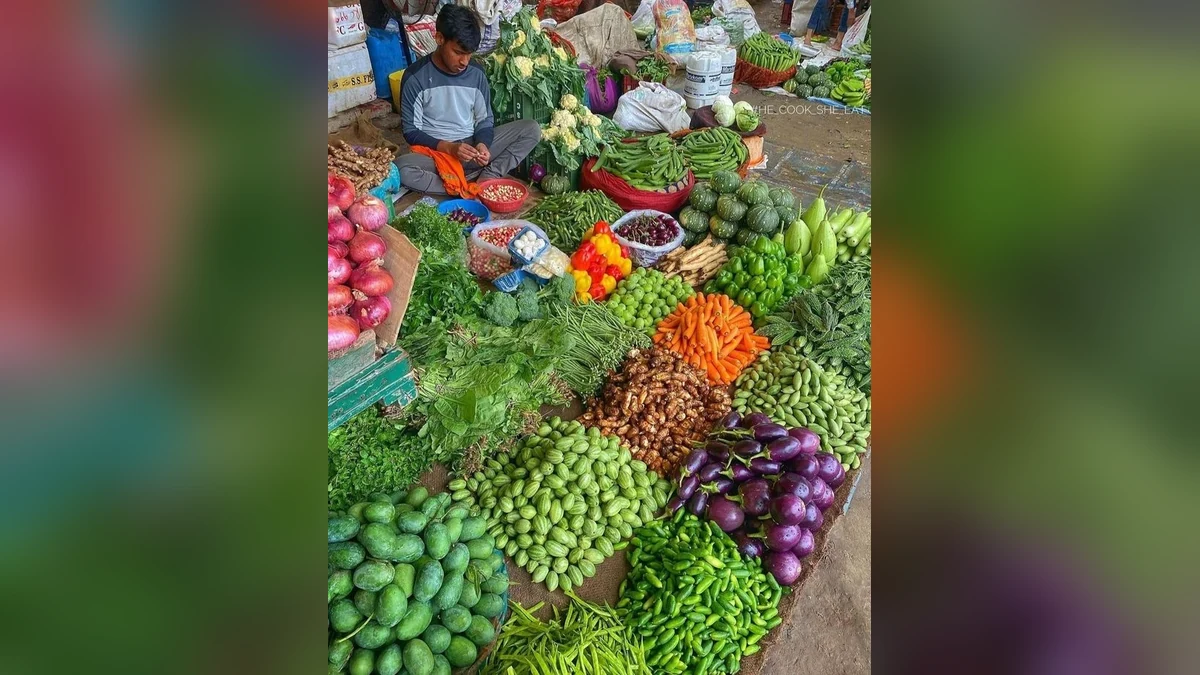
Firstly, reduce the stock of junk food at home. If chips and sugary drinks aren’t readily available, children are less likely to demand them. Instead, keep fruits, nuts, and homemade snacks visible. Presentation matters; children are drawn to colourful food. Cutting vegetables into fun shapes or arranging salads attractively can make them more appealing. Secondly, establish fixed meal times. A hungry child will be more receptive to home-cooked food. Frequent snacking can kill their appetite for main meals, leading to fussiness. A balance of discipline and love is key to a lasting solution. Finally, communicate with your child. Ask about their food preferences and try to incorporate them into home-cooked meals. This journey takes time, but the reward is a child’s lifelong health.
Frequently Asked Questions
Is it okay to force-feed a child?
No, force-feeding can make a child develop an aversion to food and turn mealtime into a stressful experience. It’s better to let them get hungry and make eating enjoyable.
My child refuses to eat vegetables, what should I do?
Try incorporating vegetables subtly into their favourite dishes, such as grating them into parathas or blending them into soups. Gradually increase the quantity as they get accustomed to the taste.
Should outside food be completely avoided?
Complete avoidance can sometimes make children irritable. Adopting the 80/20 rule, where 80% of meals are home-cooked and 20% are occasional outside treats, can be more effective.
My child only asks for junk food, how can I stop this?
Keep junk food out of the house. When it’s not an option, children will gradually accept home-cooked meals. Offer healthy snack alternatives.
What is the ‘taste addiction’ mentioned in the article?
Taste addiction refers to a child becoming accustomed to the intense flavours of salt, sugar, and fat in processed and fast foods, making them perceive home-cooked meals as bland and less appealing. This is due to how hyper-palatable elements in processed foods can stimulate the brain’s reward system, similar to addictive substances, making natural flavours seem dull in comparison.



















Share Your Opinion
Comments are closed on this post.