Charota bhaji benefits start with knowing the plant
Charota or chakoda greens are part of familiar seasonal meals in some Indian households. Searching for their benefits raises a question that comes before nutrition: which plant is actually in the bundle? Local names, attractive photos and traditional health claims can create confidence without establishing identity. This guide separates documented food use, research findings and confusion with related species.
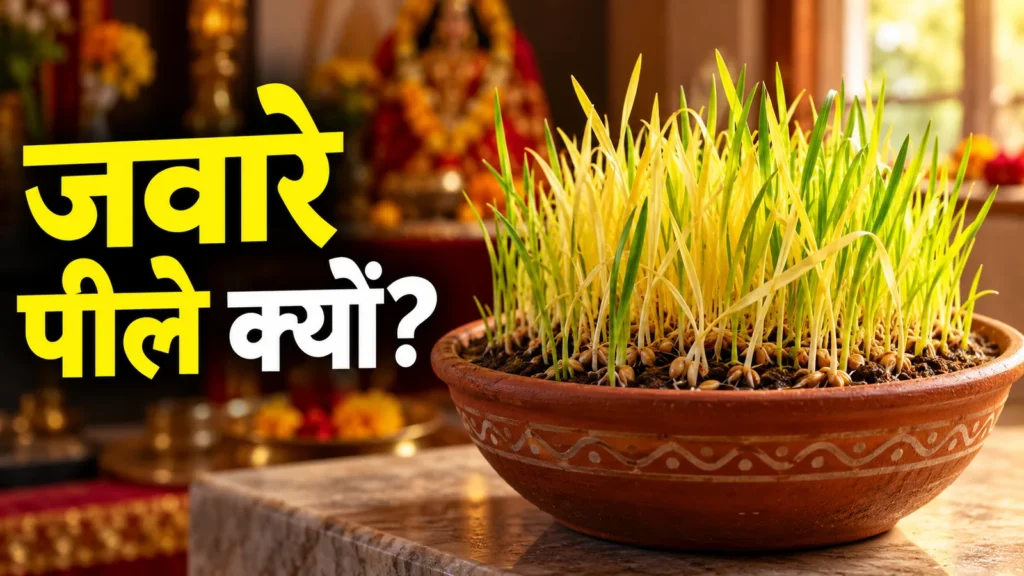
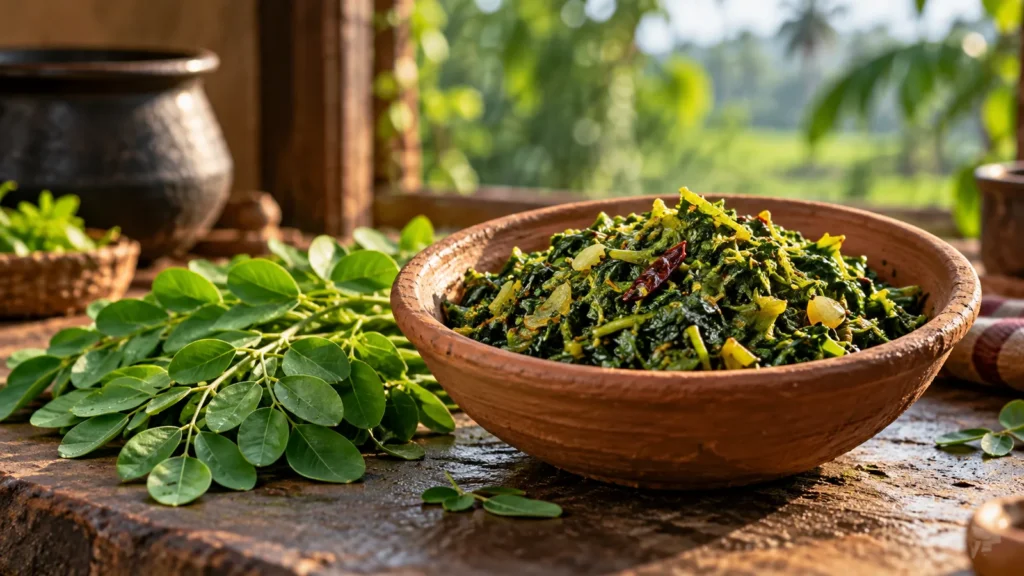
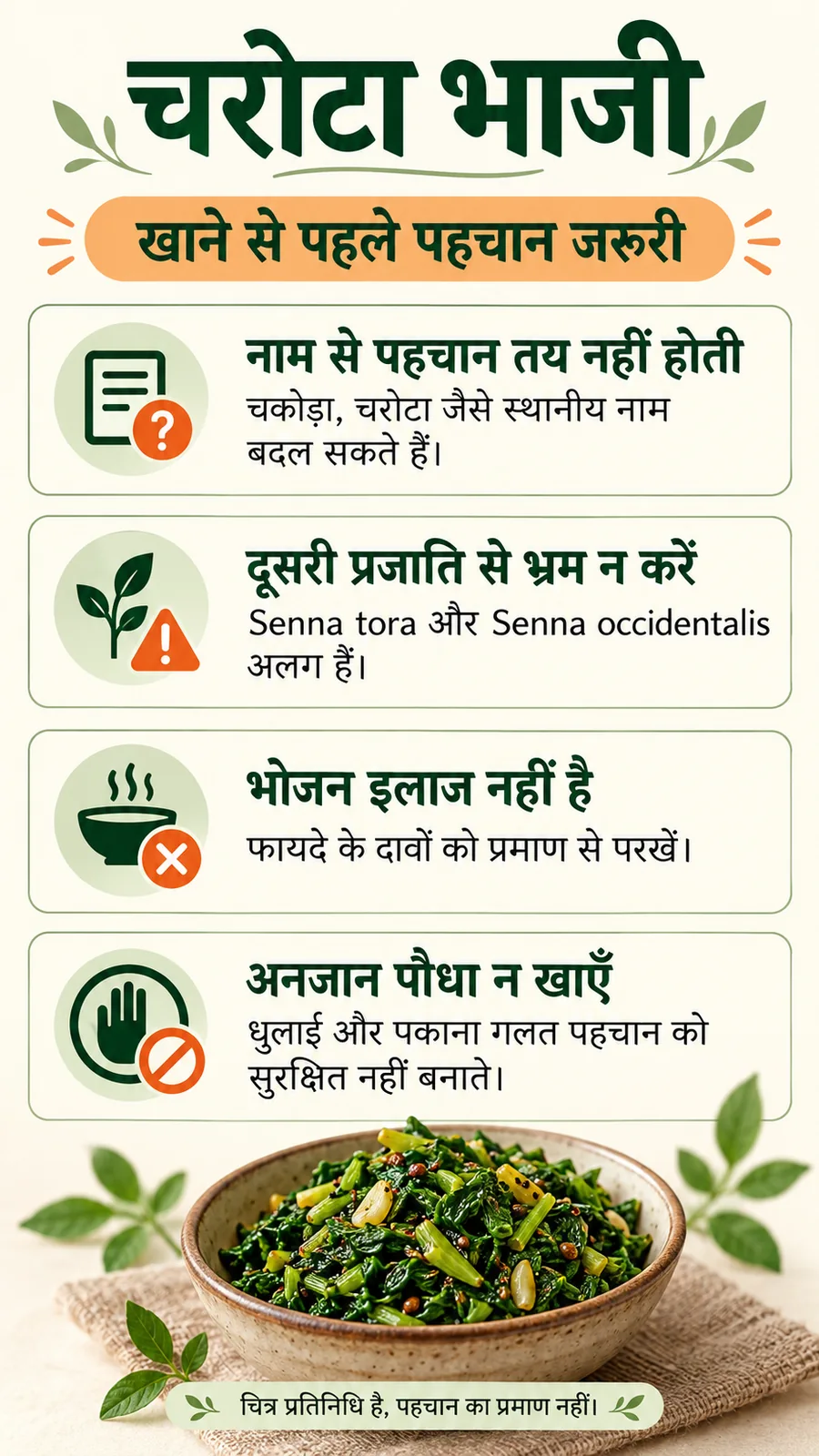
The plant discussed here is Senna tora, also called Cassia tora in older literature. This is educational information, not a field identification guide or permission to collect unfamiliar plants. The AI illustration is representative and must not be used to decide whether a plant is edible.
What do charota, chakoda and Cassia tora mean?
Regional food names can differ. A familiar label does not reliably identify every plant sold under it in another market or discussed on another website. Ask a reliable food supplier about the actual greens and their source. If identity remains uncertain, choose a familiar vegetable instead of experimenting.
The NParks botanical record describes compound leaves, yellow flowers and pods for Senna tora. These broad features are not enough for safe identification because related plants may share them. Proper identification considers the entire plant and more specific botanical features.
A family food tradition deserves respect, but it applies to the plant and preparation that the family actually knows. It cannot establish that a mixed bundle from a new source contains the same species. An online picture comparison cannot close that gap. Keep the local name, scientific identity and intended plant part separate when discussing the food.
What research says about charota nutrition
An original study of Cassia tora leaves from different locations in Rajasthan documented their use as a local saag and examined nutritional components. Composition varied between samples. The findings help explain why regionally used greens are of nutritional interest, without making every serving identical.
A dried laboratory sample is not automatically equivalent to fresh leaves or a bowl of cooked greens. Water content and preparation change the comparison. This article therefore does not provide an unsupported protein, iron or calorie figure per household serving. It also avoids ranking charota as stronger than every familiar vegetable.
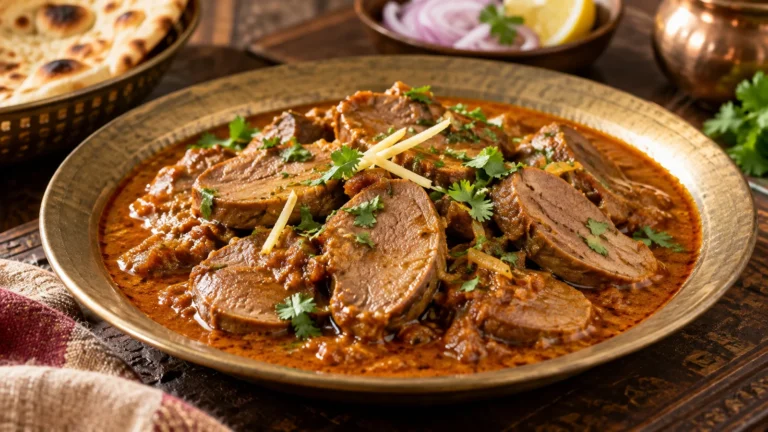
Consider the finished dish and the overall meal. A leafy preparation can add variety, while the amount of oil, salt and other ingredients still matters. A plant name does not make every fried or heavily salted recipe a health treatment. Food composition findings alone also cannot show that one dish replaces a balanced diet.
Food benefits are different from proven treatment
A 2023 study examined antioxidant, anti-inflammatory and antibacterial activities of a Senna tora leaf extract in experimental settings. It was not a clinical trial showing that cooked charota cures illness in people. The extract and testing conditions differ from an ordinary plate of saag.
Claims that eating the greens cures ringworm, diabetes, infection or liver disease need clinical evidence relevant to that claim. A result in a laboratory can support further research; it does not supply a treatment dose or a reason to stop medicine. Do not turn an extract study into instructions for homemade juice, a concentrated decoction or skin treatment.
FACT: Documented traditional use, measured nutrients and a proven treatment are separate forms of information. A finding about a leaf does not automatically apply to the seeds, roots, another preparation or another species.
Why Senna tora and Senna occidentalis must be separated
Check the scientific name when an article says that “chakoda” causes severe poisoning. Senna occidentalis is a different species. Published human case reports describe serious illness associated with its ingestion, involving the liver and other organs. Those reports are important, but they must be attached to the correct plant.
Copying these reports into a list of established harms from cooked Senna tora is inaccurate. The reverse shortcut is also unsafe: separating the species does not prove that every part, amount or preparation of Senna tora is suitable for everyone. Identity, plant part and preparation still need to be clear.
The reviewed evidence does not establish a universal rule that young leaves are always safe while every mature leaf is predictably lethal. Leaf age cannot correct a species identification error. This article does not recommend raw seeds, roots or concentrated herbal preparations.
Buying and preparing known food greens
Use a trustworthy food source and confirm the greens before preparing them. Remove spoiled material and reject a bundle with uncertain identity. Washing cannot reveal whether mixed leaves belong to the correct species. Do not assume that a plant growing nearby is the same one used in a familiar recipe.
For correctly identified food greens, start with clean hands and utensils and wash under clean running water. Avoid soap, detergent or bleach on produce. Keep the greens separate from raw meat and equipment used for it. These are general produce hygiene measures, not a method for making unknown wild plants edible.
Thorough cooking can reduce harmful bacterial contamination. It does not guarantee removal of every plant toxin or make the wrong species safe. No universal two-boil or fixed-minute detoxification method is established here. A credible food tradition for the correctly identified material remains necessary.
The reviewed sources do not provide a reliable universal serving size for pregnancy, children, regular large quantities or specific illnesses. Avoid uncertain food or medicinal experiments in these situations. If a medical diet applies, ask for advice relevant to your condition instead of copying a dose from an online benefits list.
When to seek medical help
After uncertain plant ingestion, persistent vomiting, unusual drowsiness, marked weakness, seizures, loss of consciousness or breathing difficulty need urgent medical attention. Do not wait to identify the plant or try a home remedy before seeking help. Suspected ingestion by a child deserves particular attention.
Tell the medical team what was eaten and when. Keep available packaging or a useful photograph. In India, the AIIMS National Poisons Information Centre lists 1800 116 117 for poison information. Do not delay hospital care for serious symptoms while waiting for telephone guidance.
Frequently asked questions
1. Are charota or chakoda leaves eaten?
Research documents local saag use of Cassia tora / Senna tora leaves. This does not confirm that every plant sold under a similar local name is suitable for eating.
2. What are charota bhaji benefits?
The greens have documented food use and are studied for nutritional components. That does not establish a cure, a universal nutrient chart or a treatment dose.
3. Are chakoda and kasaundi the same plant?
Local labels can be confusing. Confirm the scientific identity rather than assuming equivalence. Senna tora and Senna occidentalis are different species.
4. Does boiling make every wild green safe?
No. Washing and cooking cannot correct wrong identification. This guide provides no household method for detoxifying an unknown plant.
5. Can seeds or leaf juice treat skin disease?
Laboratory findings and traditional claims do not establish a safe, effective home treatment. Seek a proper diagnosis and treatment for a skin condition.
Advice
Begin with identity, not a benefits list. Keep established food use separate from medicinal claims and avoid extrapolating from a leaf to seeds or concentrated extracts. If the source or species is uncertain, using a familiar vegetable is a practical choice. Representative artwork should never decide what goes into the cooking pot.
Read more about sweet potato leaves and safe preparation and mahua flowers, fruit and seeds.
For the digestion question, also read can humans eat grass?.
Sources and evidence limits
NParks: Senna tora • Original Rajasthan leaf study • 2023 leaf-extract research.
Senna occidentalis case report • FDA produce safety • AIIMS poison information. Results are kept specific to the species and experimental context.
Disclaimer: General educational and nutrition information, not personal medical advice or a plant identification service. Do not eat unidentified plants. Seek qualified medical help for illness or suspected poisoning.