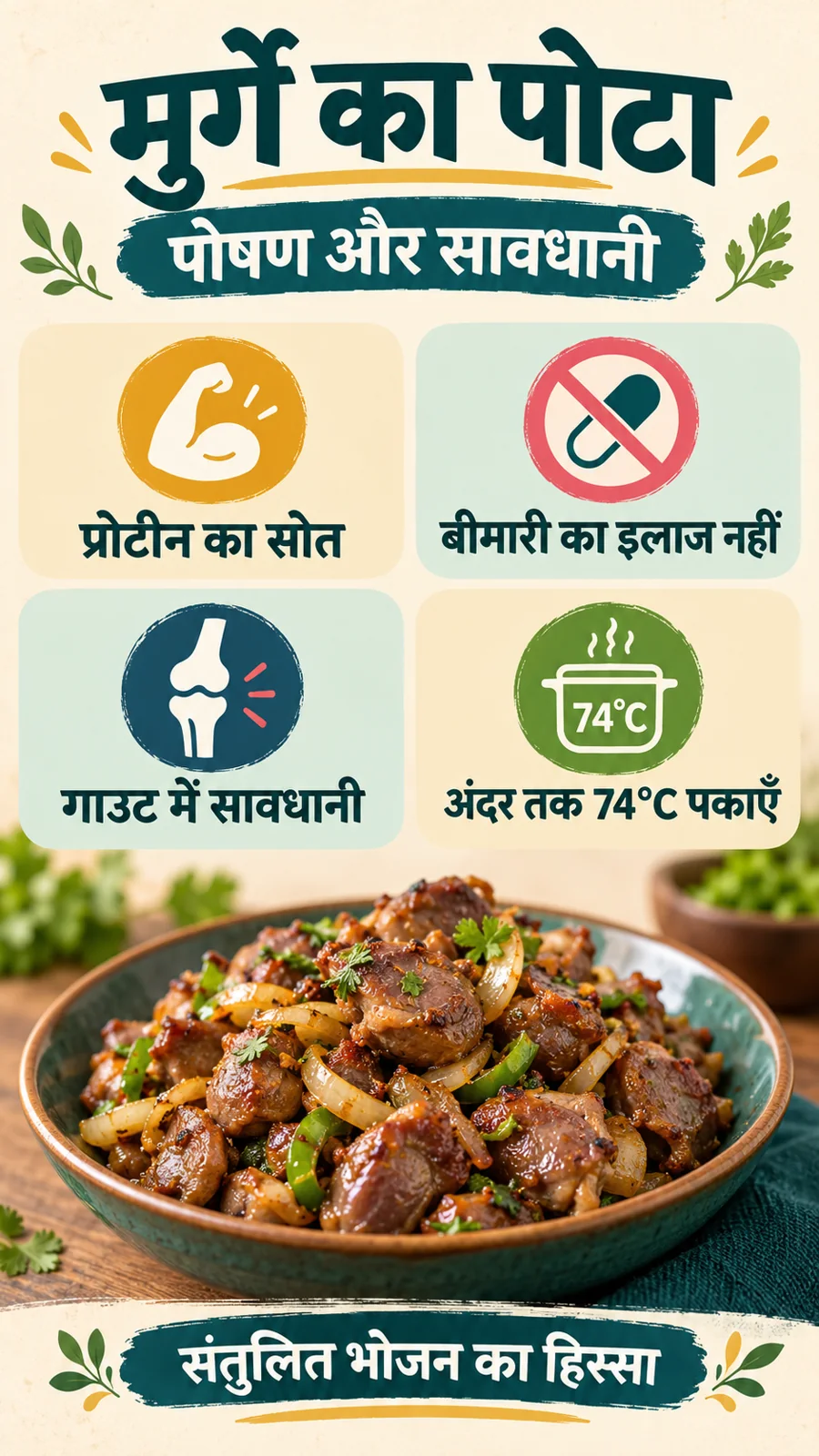
Chicken gizzard benefits come from its role as food, not as a medicine. Gizzards can contribute protein and other nutrients to a varied diet. They do not guarantee relief from fatigue, treat every type of anaemia, or replace prescribed treatment. This guide explains what a gizzard is, the main precautions and how to cook poultry giblets safely.
What is a chicken gizzard?
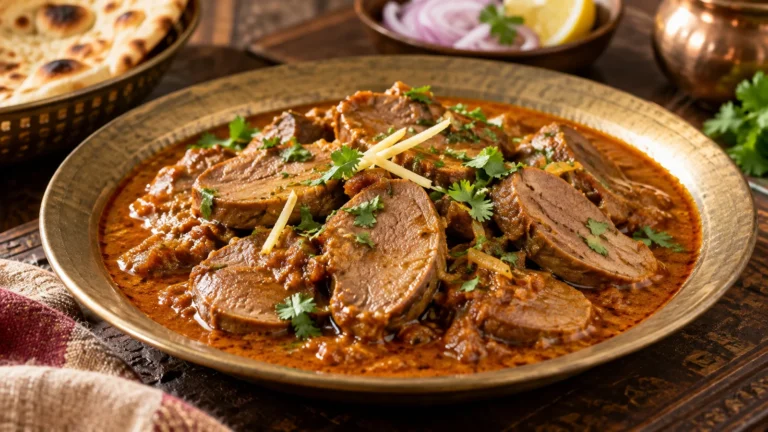
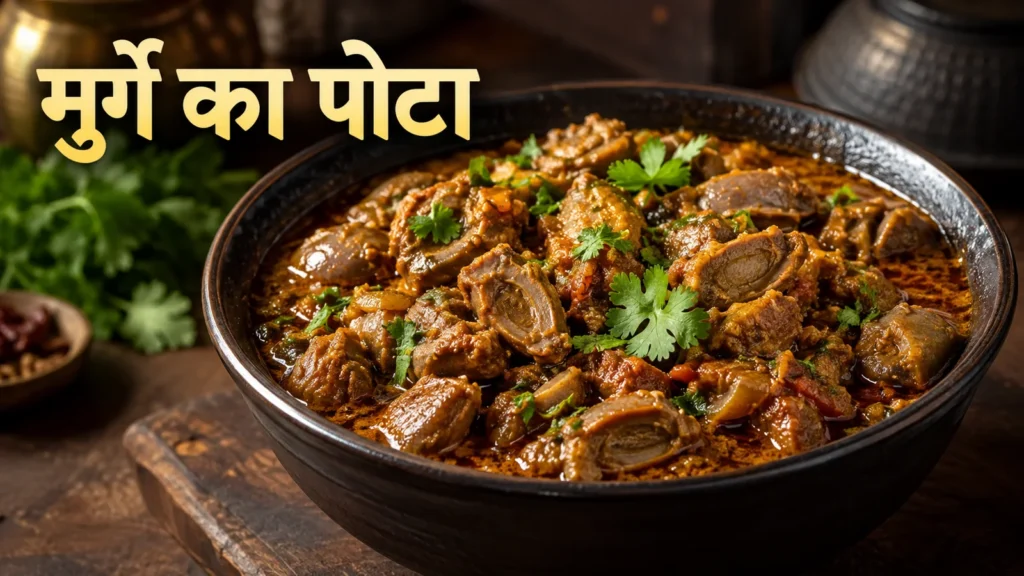
The gizzard is a muscular part of a chicken’s digestive tract that helps grind food. It is different from the liver. In Indian markets, it may be sold as pota or as part of a pota-kaleji mixture. Giblets may include the heart, liver and gizzard, so ask which parts are included before buying.
Chicken gizzard benefits and nutrition
As an animal muscle food, gizzard can add protein to a meal. Protein supports the maintenance and repair of body tissues. Animal foods can also contribute iron and B vitamins, but eating gizzards alone will not meet all nutritional needs. Include vegetables, pulses and other foods in a varied diet.
The nutritional value of a serving depends on its weight, cooking method, added oil and salt, and whether liver is mixed in. Raw and cooked values per 100 grams are not interchangeable. This article avoids an unverified nutrient table and does not promise a fixed amount of protein in every plate.
Does eating gizzard improve haemoglobin or strength?
Iron-containing food can contribute to iron intake, but tiredness is not always caused by iron deficiency. Anaemia has several possible causes. Eating pota-kaleji without investigating the cause is not a reliable treatment. Do not stop prescribed iron supplements because you start eating organ meat.
Having nutrients and treating disease are different claims. Statements that gizzards instantly remove weakness or boost everyone’s immunity are not justified. A balanced diet matters more than treating one food as a cure.
Side effects and precautions
Raw or undercooked chicken and its organs can carry disease-causing bacteria. Poor storage, raw juices contaminating salad, and insufficient cooking increase the risk of foodborne illness. Fresh-looking meat or a pleasant smell does not prove safety.
People with gout or uric-acid stones may need to avoid or limit offal under an individual diet plan. NHS dietary guidance identifies offal as a high-purine food. The advice depends on the condition and treatment; a general article cannot give personal clearance.
Follow any prescribed diet for kidney disease, cholesterol management or other conditions. A deep-fried dish and a dish made with little oil are not nutritionally equivalent. Chicken allergy can also make gizzards unsuitable. There is no need to eat large amounts of organ meat every day.
Preparing and cooking gizzards safely
Buy food-grade, cleaned gizzards from a trustworthy food seller. Have any remaining contents or incomplete preparation dealt with properly. Do not rely on vigorous washing under a tap to remove bacteria: splashes can contaminate the sink, utensils and other food. USDA advises against washing raw poultry as a food-safety measure.
Keep raw and cooked food separate and use separate boards and utensils. Wash hands with soap. Soaking in lemon, salt or vinegar does not replace adequate cooking. Making the meat tender and reaching a safe internal temperature are different requirements.
USDA recommends an internal temperature of at least 165°F, approximately 74°C, for poultry giblets. Check the thickest part with a food thermometer. Do not rely only on colour or a fixed number of cooking minutes.
USDA guidance says raw chicken giblets normally keep for 1–2 days in the refrigerator at 40°F (about 4°C) or below. Keep them chilled and avoid leaving them at room temperature for prolonged periods. Reboiling suspect food is not a dependable way to make it safe.
Practical advice
Eat gizzard for taste and nourishment rather than as medicine. Choose a safe source, moderate added oil and salt, and cook thoroughly. Persistent fatigue, joint pain or suspected anaemia needs appropriate assessment. Pregnant people, young children, older adults and people with weakened immunity should avoid undercooked meat.
Frequently asked questions
Are gizzard and liver the same?
No. Pota is the gizzard and kaleji is the liver. Their anatomy and nutritional composition differ.
Can I eat chicken gizzard every day?
Daily consumption is unnecessary. The amount and frequency should fit your overall diet and health; there is no single suitable quantity for everyone.
Can gizzard affect uric acid?
Offal is a concern in gout and uric-acid stone diet plans because of purines. Ask your clinician or dietitian for advice that fits your condition.
Does washing or applying lemon make gizzard safe?
No. Clean handling matters, but washing or lemon does not replace thorough cooking. Splashing raw poultry water can spread contamination.
What temperature should chicken gizzard reach?
USDA recommends at least 165°F, about 74°C, internally for poultry giblets. Check with a food thermometer.
Related reading and sources
Read the Hindi guides on goat lungs benefits and the asthma-treatment myth and goat pachauni. Different organs should not be treated as nutritionally identical.
USDA: safe temperature chart; USDA: washing raw meat; USDA: chicken and giblet storage; NHS: purines and offal.
General educational information, not personal medical advice. Follow your clinician’s advice for illness, allergies or prescribed diets. Reviewed 9 October 2026. Images are illustrative AI-generated artwork.