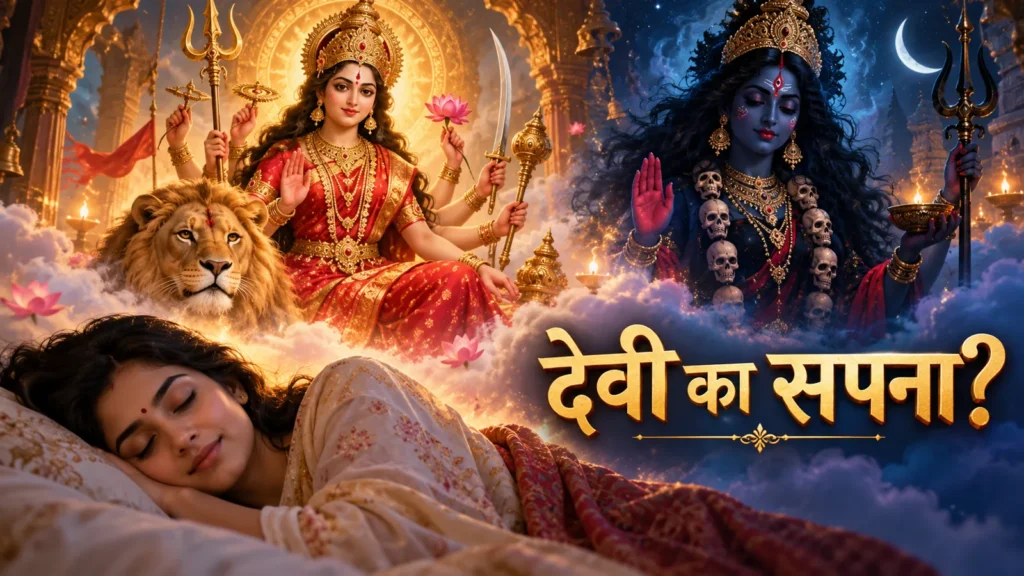
Seeing Durga or Kali in a dream during Navratri
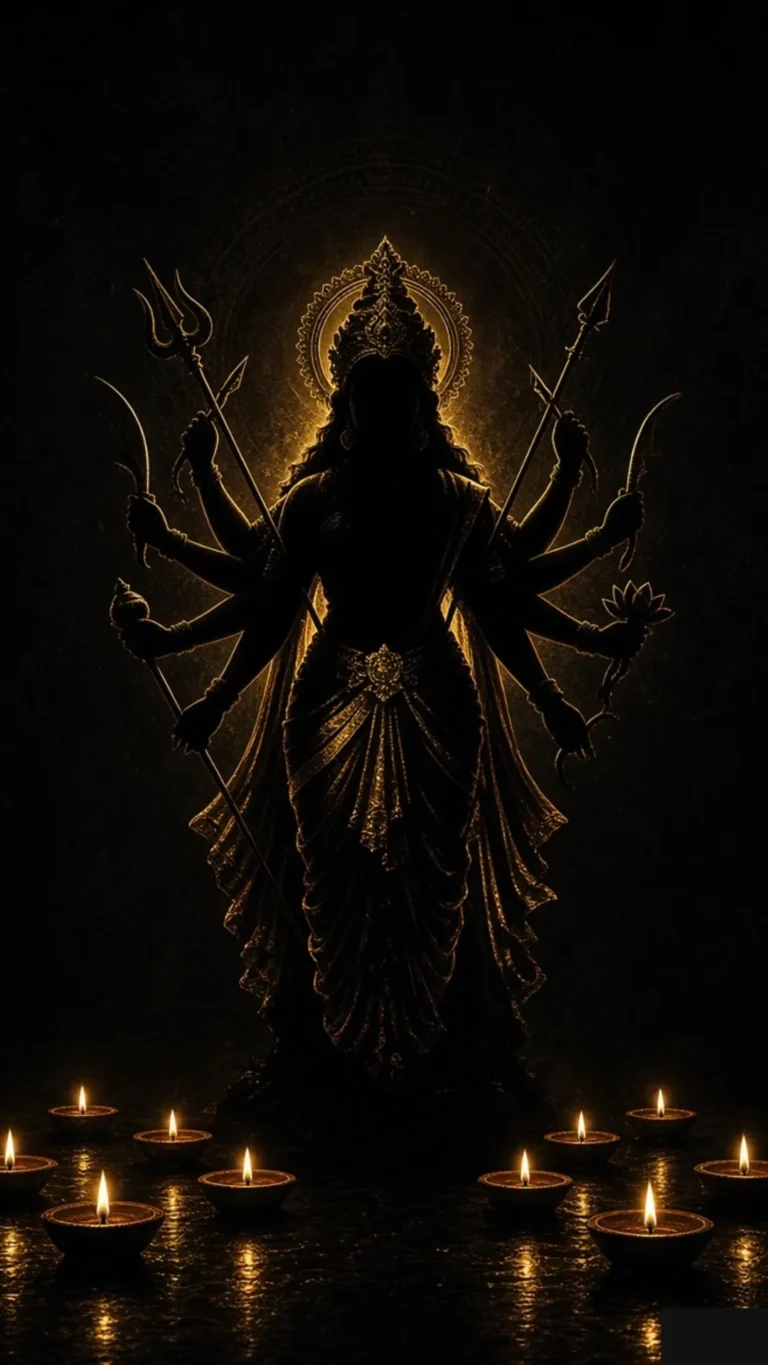
You wake after dreaming about Goddess Durga and feel comforted. Someone else sees Kali in a dream and feels frightened. Then come the searches: “Is dreaming of Durga auspicious?” and “Does seeing Kali mean something bad will happen?” These questions are understandable, but an online interpretation is not automatically reliable.
A dream can have personal or religious meaning without predicting a job, an illness, money or a disaster. Seeing a goddess does not by itself prove divine approval, displeasure or a medical condition. You can respect your experience while avoiding major decisions based on fear or a promised outcome.
Dreaming of Goddess Durga: belief versus evidence
Some families understand a goddess dream as a comforting expression of devotion. That is a cultural or personal interpretation. Claiming that the same dream guarantees a specific future event is a different statement, requiring evidence. “All your wishes will now come true” should not be treated as an established result.
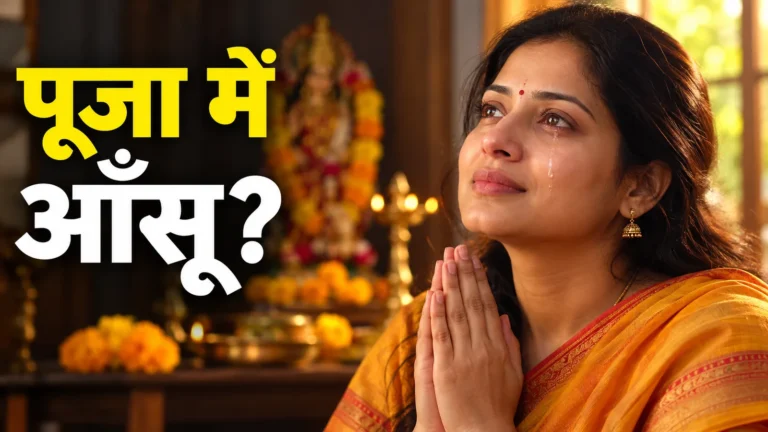
If the dream brought peace, you may pray or discuss it with someone you trust. You do not need to dismiss a meaningful experience. Equally, not having a goddess dream does not measure the strength of your faith. There is no requirement that every devotee must have one during Navratri.
Should you be afraid after seeing Kali in a dream?
People respond differently to religious imagery. Kali’s form may feel protective to one person and unfamiliar or frightening to another. Memories and emotions may influence the dream. A colour, expression or weapon in a dream does not establish that danger is approaching or that someone has harmed you.
If you wake frightened, look around your room and remind yourself that you have awakened from a dream. Avoid repeatedly watching videos predicting disaster within a fixed number of hours. Do not accuse someone of black magic or pay for a guaranteed remedy because of a dream interpretation.
Dreams about a lion, a temple or an aarti
During Navratri, images of goddesses, lions, temples and worship may be especially noticeable in daily life. Recent experiences offer one possible explanation for related dream content. This is a reasonable possibility rather than a certain explanation of every dream, and it is worth considering before assigning a supernatural cause.
A lion might represent courage to you, while a temple might feel reassuring. Another person may make different associations. Such personal meanings do not establish universal predictions. A dream about a lion does not guarantee victory over enemies, and a temple dream does not guarantee that money is coming.
Does a broken goddess idol in a dream mean bad luck?
A broken idol dream can feel upsetting, particularly if you have heard stories about bad omens. However, the dream does not establish that your family will suffer or that a deity is angry. Dream imagery is not the same as an actual event at your place of worship.
Do not borrow money, arrange an expensive ritual or blame a family member simply because someone gives the dream a frightening interpretation. If ordinary prayer feels comforting, that is your choice. When a person insists that only their paid remedy can prevent harm, pause and discuss the pressure with someone trustworthy.
Why might religious images appear in dreams?
The brain remains active during sleep. Scientific information describes how daytime events and emotions may enter dreams. Researchers have not settled the complete purpose of dreaming. A dictionary that assigns a fixed prediction to every image is not equivalent to a scientific assessment of your dream.
Prayer, conversations and festival images may currently be important to you. That provides a possible context for dreams involving a goddess. Devotees do not all dream alike, and people do not remember every dream. Forgetting details does not independently establish an auspicious or inauspicious sign.
Do early-morning dreams predict the future?
A dream that resembles a later event can be memorable. Many dreams that do not match subsequent events receive less attention. This uneven remembering can make a prediction seem stronger than it is. There is no solid scientific evidence that dreams reliably reveal future events.
If you want to examine an apparent prediction, write down the dream and date before the event occurs. Do not alter the description afterwards to make it fit. A vague expectation such as “good news is coming” can match many events. Avoid using it to guide treatment, financial or relationship decisions.
What if frightening dreams keep returning?
An occasional nightmare and a persistent sleep problem are different situations. Tiredness, stress and some medicines can contribute to nightmares. A webpage cannot determine the cause in an individual. Discuss medication concerns with a doctor rather than stopping or changing prescribed treatment yourself.
Seek medical advice when nightmares recur, make you afraid to sleep or interfere with daytime life. Injury or dangerous actions during sleep also need assessment. A dream differs from seeing things or hearing voices while fully awake; tell a doctor about waking experiences too rather than interpreting everything as the same phenomenon.
FACT: A meaningful dream and a reliable prediction are different things. You can feel grateful for a comforting dream without expecting a promised reward. You can also feel frightened after a vivid dream without concluding that danger is real. The useful question is how you are feeling now and whether you need support, rather than what an online stranger says must happen next.
Advice: find reassurance without accepting frightening claims
If a dream stays with you, briefly note what happened, how it felt and what was significant that day. You do not need to search for a prediction behind every detail. If someone offers a frightening meaning, you can calmly explain that an interpretation is not certain news about the future.
Try to keep a regular sleep routine and avoid frightening material before bed. If a child shares a goddess dream, listen without mockery or stories about impending harm. Reassure them that a vivid dream can feel real while still being a dream, and ask for professional help if sleep difficulties continue.
FAQ: common questions about goddess dreams
Is a goddess dream always auspicious?
Some people consider it auspicious, but that is a belief rather than a guarantee of a particular result. It may still have personal emotional meaning.
Should I tell someone about a Kali dream?
There is no evidence that telling or withholding it changes the future. Talking to someone trustworthy may help if you feel unsettled.
Does a broken idol dream require a special ritual?
There is no established evidence that a special ritual is necessary to prevent harm from a dream. Personal worship and spending under pressure are different choices.
Are recurring goddess dreams a sign of illness?
The subject of a dream alone does not identify illness. A clinician considers distress, sleep disruption and effects on daily life when deciding what assessment is needed.
Can I stop medicine after a reassuring dream?
No. Do not change prescribed treatment on the basis of a dream. Discuss health decisions with your clinician.
Health disclaimer: This article offers general information, not a diagnosis or treatment. Consult a clinician for persistent nightmares, disrupted sleep or unusual waking experiences. A religious interpretation should not delay necessary care.
Sources: NINDS: Understanding Sleep; University of California, Santa Cruz: Dreams FAQ; NHS: Nightmares; NHS: Waking perceptual experiences.