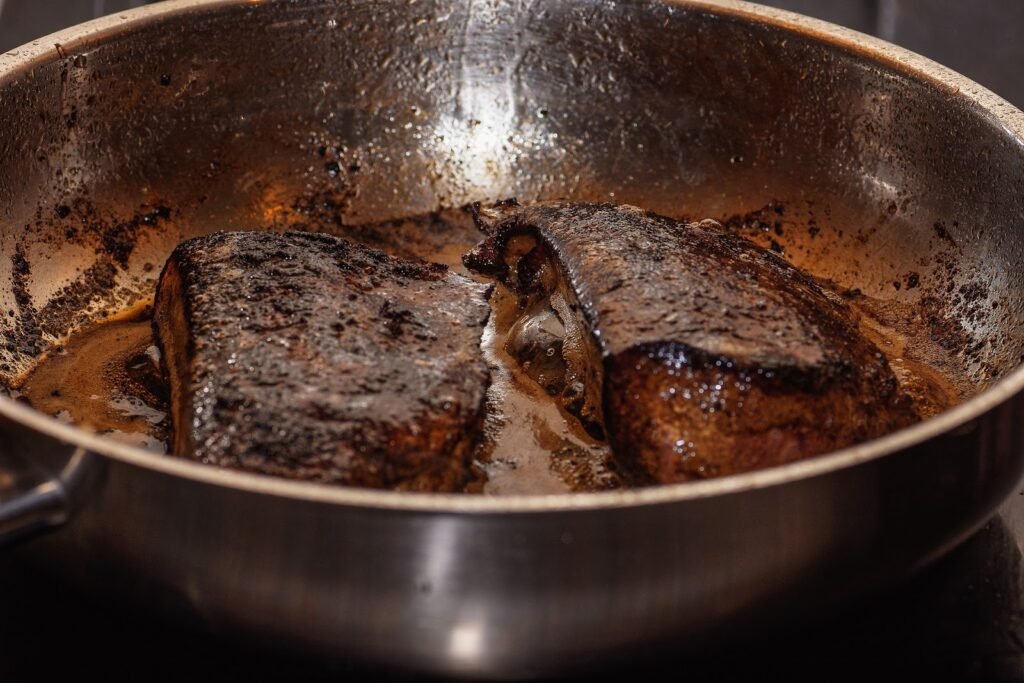
What are the benefits of eating mutton liver?
Mutton liver, or ‘bakre ki kaleji’ in Hindi, is a highly nutritious organ meat that is savoured by many for its rich taste and health benefits. It’s a powerhouse of essential vitamins and minerals, including protein, potassium, magnesium, phosphorus, and iron. Consuming mutton liver can offer several advantages for your health.
Boosts Hemoglobin and Fights Anemia
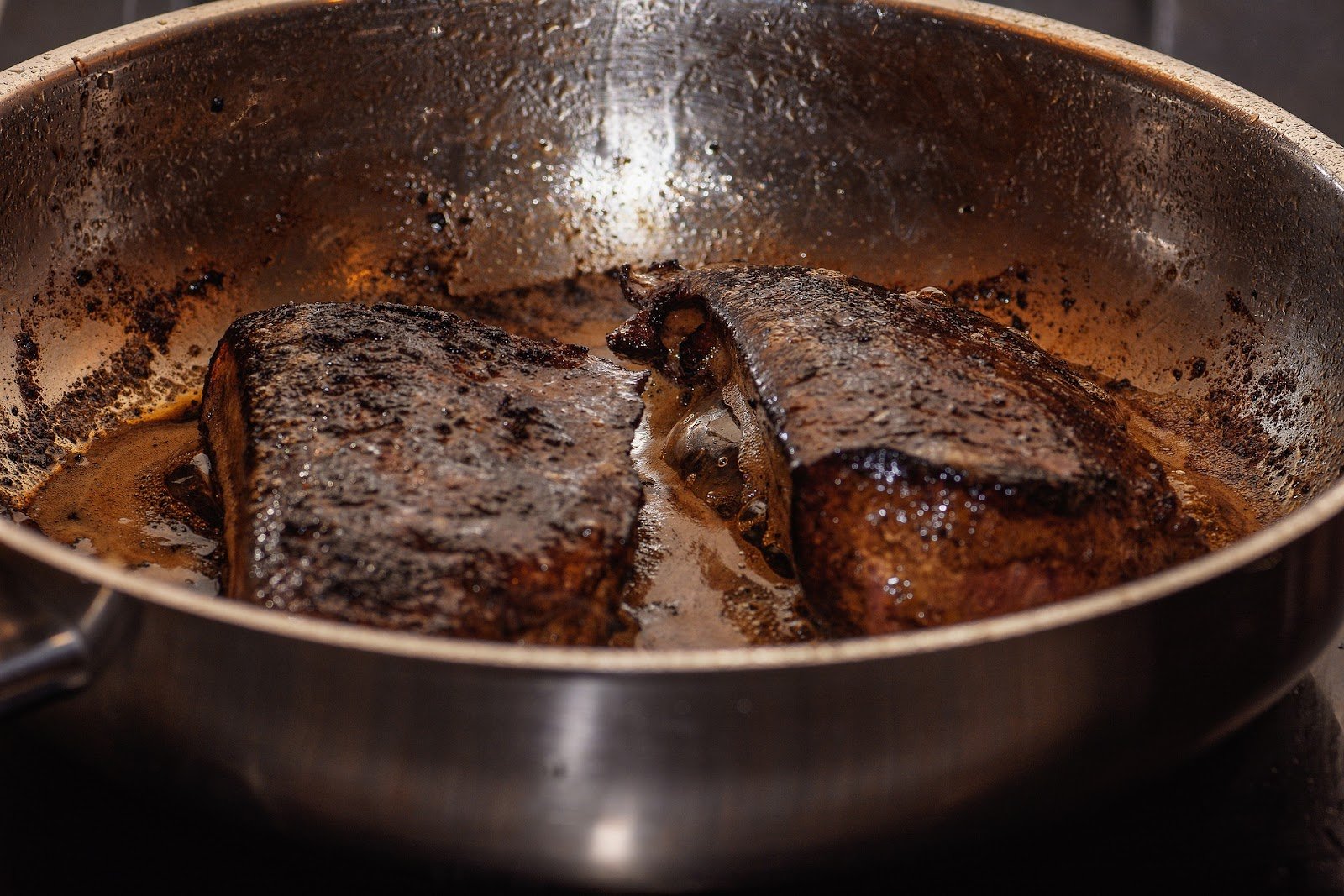
For individuals experiencing low hemoglobin levels or iron deficiency anemia, mutton liver is an excellent dietary addition. It is rich in heme iron, a form that is easily absorbed by the body, and also contains vitamin B12 and folate, which are crucial for red blood cell production. Regular consumption can help increase your red blood cell count, thereby improving your body’s ability to carry oxygen and combatting the fatigue associated with anemia.
Enhances Immunity and Overall Health
Mutton liver is a good source of various vitamins and minerals that play a vital role in strengthening the immune system. Vitamin A, present in significant amounts, is essential for maintaining healthy immune function and protecting against infections. The liver also contains selenium, a mineral that acts as an antioxidant and supports thyroid health, contributing to overall well-being.
Rich Source of Protein for Muscle Growth

Protein is fundamental for building and repairing tissues, including muscles. Mutton liver is an excellent source of high-quality protein, making it beneficial for athletes, bodybuilders, or anyone looking to increase their muscle mass. Including it in your diet can support muscle development and recovery after physical activity.
Supports Brain Health and Vision
The nutrients found in mutton liver are also beneficial for cognitive function and eye health. Vitamin B12 is essential for nerve function and can help improve memory and concentration. Additionally, the high vitamin A content is crucial for maintaining good eyesight and can help prevent age-related macular degeneration and improve night vision.
Beneficial for Bone Health

Mutton liver contains essential minerals like calcium and phosphorus, which are vital for maintaining strong and healthy bones. These nutrients contribute to bone density and can help prevent conditions like osteoporosis. Regular consumption, as part of a balanced diet, can support skeletal health and reduce the risk of bone-related pain.
Nutritional Profile of Mutton Liver
Mutton liver is particularly rich in Vitamin A, Vitamin B12, folate, and iron. These nutrients make it a valuable food for addressing anemia, supporting vision, and boosting the immune system. Minerals like selenium also contribute to its health benefits, particularly in supporting normal thyroid function.
Considerations for Chicken Liver
Chicken liver shares many nutritional benefits with mutton liver, being a good source of iron, protein, Vitamin B12, folate, and Vitamin A. It can also be beneficial for those with anemia. However, it’s important to be mindful of its high Vitamin A content. Pregnant women should consult a doctor before consuming it regularly or in large quantities. Individuals with high cholesterol should also consume it in moderation.
Precautions and Potential Downsides
While mutton liver is nutritious, moderation is key. Due to its very high Vitamin A content, excessive daily consumption can lead to Vitamin A toxicity. Pregnant women should seek medical advice before making it a regular part of their diet. Mutton liver is also high in purines, which can increase uric acid levels. People with gout or high uric acid should consume it sparingly or avoid it. Always ensure liver is fresh and cooked thoroughly. This information is for general awareness; consult a doctor or dietitian for specific health advice.
Frequently Asked Questions
Is it good to eat mutton liver daily?
No, it is not recommended to eat mutton liver daily due to its very high Vitamin A content, which can be toxic if consumed in excess. It’s best to consume it in moderation, perhaps once or twice a week.
Can mutton liver help with low blood count?
Yes, mutton liver is rich in iron, vitamin B12, and folate, which are essential for producing red blood cells. It can be very beneficial for individuals with a low blood count or anemia.
Are there any side effects of eating mutton liver?
The primary concern is the high Vitamin A content, which can cause toxicity if consumed excessively. It is also high in purines, which can be problematic for individuals with gout or high uric acid levels. Always ensure it is cooked thoroughly to avoid foodborne illnesses.
Is mutton liver good for bodybuilding?
Yes, mutton liver is an excellent source of high-quality protein, which is crucial for muscle growth and repair. It also provides essential vitamins and minerals that support overall health and recovery for bodybuilders.
What is the best way to cook mutton liver?
Mutton liver can be cooked in various ways, such as frying, sautéing, or adding it to curries and stews. It’s important to cook it thoroughly until it is no longer pink inside to ensure it is safe to eat. Avoid overcooking, which can make it tough.