 Vista
What are Kodo Millets (Kutki)?
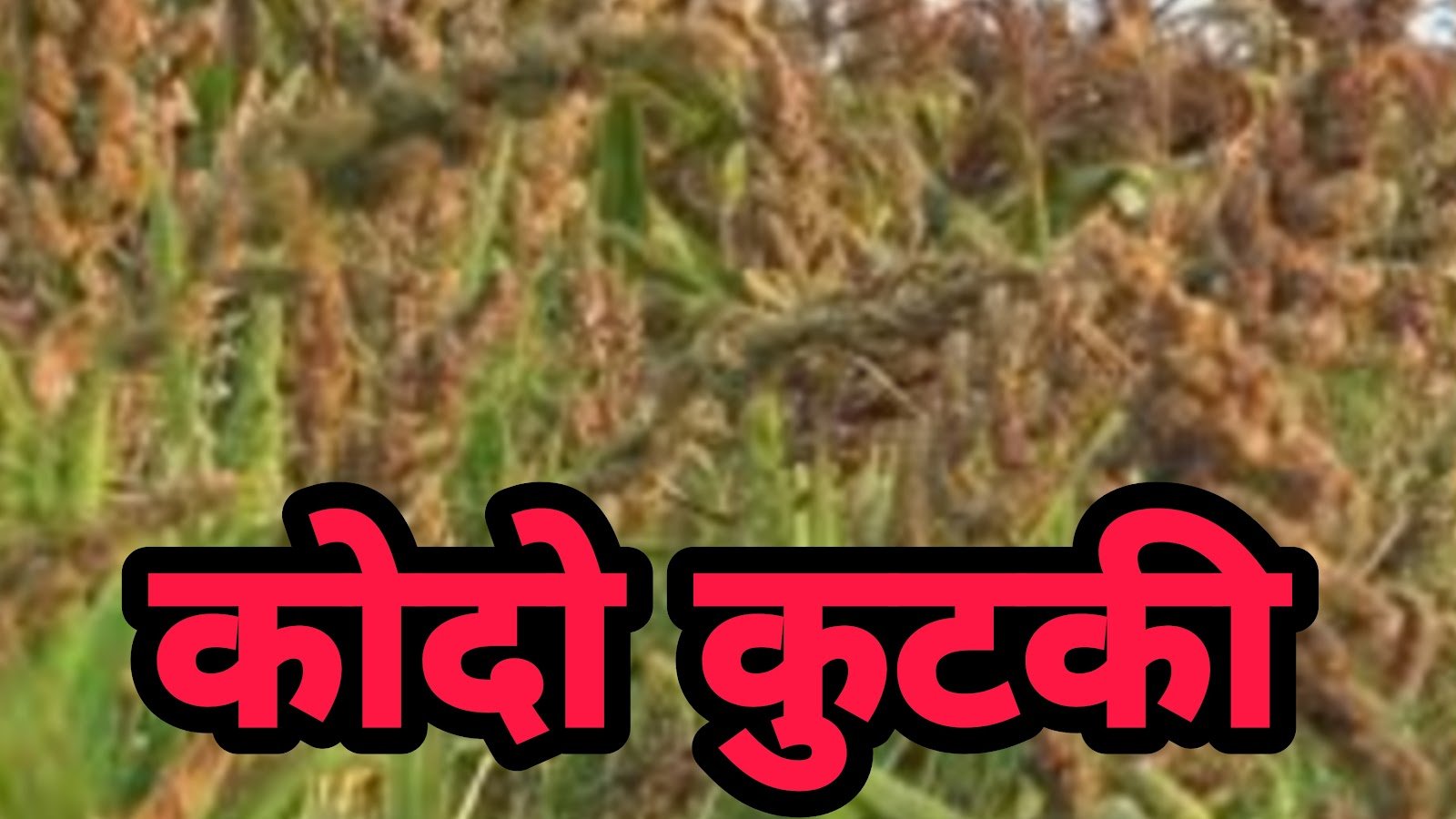
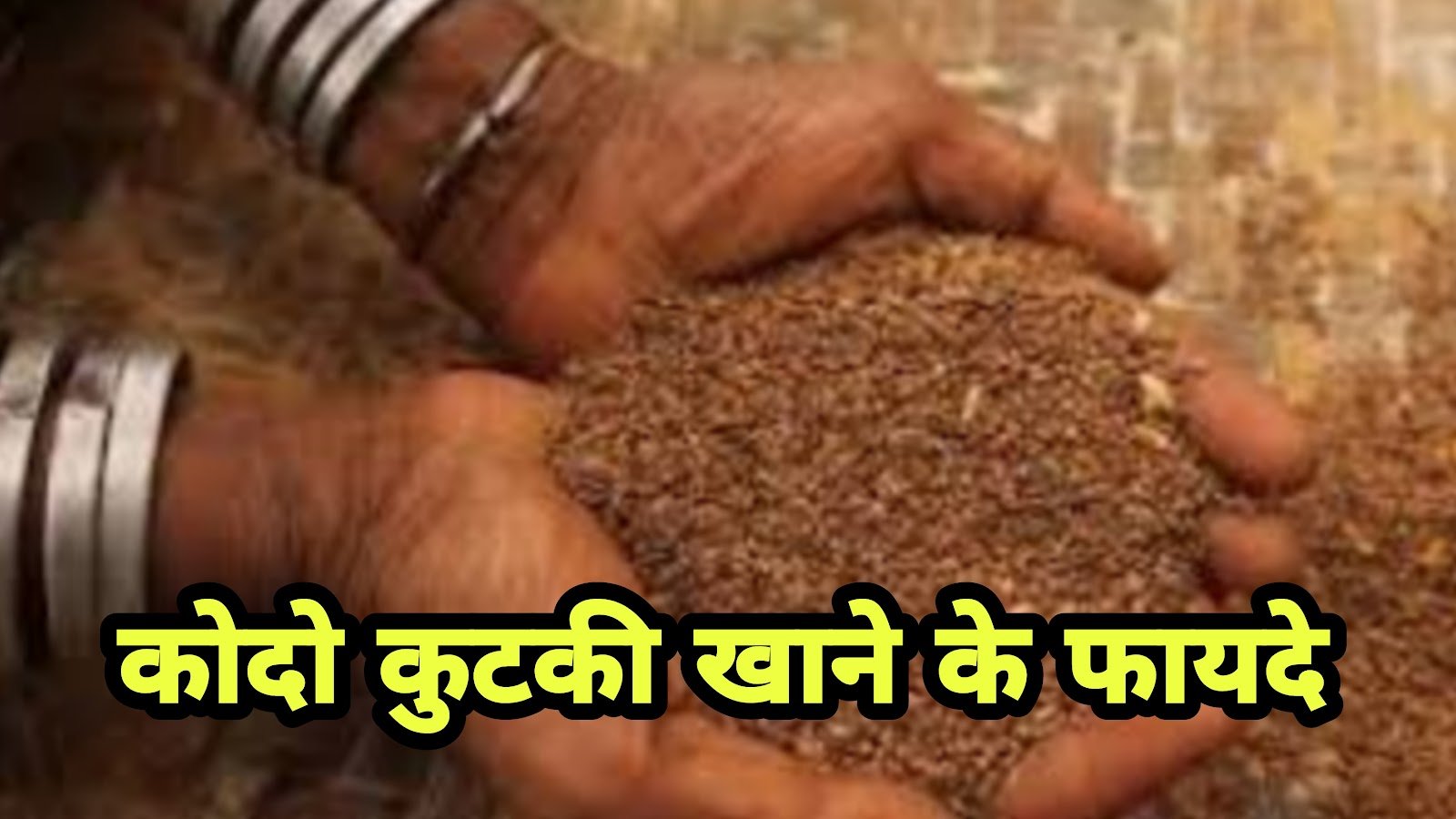
Kodo millet, often referred to as Kutki in India, is a traditional grain that has been a staple in many diets for centuries. It’s also known by other names like Kodon, Kodra, or Harka in different regions. This small, round grain is typically used as a substitute for rice and has a similar taste and texture when cooked. However, Kodo millet offers significantly more nutritional value and health benefits compared to polished rice, making it a superior choice for a healthy diet.
Health Benefits of Kodo Millet (Kutki)
1. Diabetes Management
Kodo millet is particularly beneficial for individuals managing diabetes. Its low glycemic index means it causes a slower, more gradual rise in blood sugar levels after consumption, unlike refined grains. This helps in maintaining stable blood sugar levels, which is crucial for diabetics. The high fiber content further aids in regulating glucose absorption.
2. Aids in Weight Loss
For those looking to shed extra pounds, incorporating Kodo millet into their diet can be very effective. It is rich in dietary fiber, which promotes a feeling of fullness, thereby reducing overall calorie intake. The slow digestion process also helps in curbing appetite and preventing overeating. Its ability to boost metabolism also contributes to weight management efforts.
3. Improves Digestion
Kodo millet is known for its digestive benefits. It is easily digestible and its fiber content helps in promoting a healthy gut. Regular consumption can help prevent constipation and other digestive issues, ensuring the smooth functioning of the gastrointestinal tract. It acts as a prebiotic, feeding beneficial gut bacteria.
4. Heart Health
The consumption of Kodo millet is associated with improved cardiovascular health. It helps in reducing bad cholesterol (LDL) levels while increasing good cholesterol (HDL) levels in the body. This helps in preventing the buildup of plaque in arteries, thereby reducing the risk of heart disease and maintaining healthy blood pressure levels. It is also a good source of minerals like magnesium, which is vital for heart function.
5. Rich in Nutrients and Minerals
Kodo millet is a powerhouse of essential nutrients. It contains a good amount of protein, vitamins (especially B vitamins), and minerals like iron, calcium, and phosphorus. Notably, it boasts significantly higher calcium content – up to 12 times more than rice – which is crucial for bone health. The iron content helps combat anemia and increase blood volume.
6. Kidney and Bladder Health
Kodo millet is also considered beneficial for kidney and bladder health. Its properties are believed to support the proper functioning of these organs and may help in preventing certain urinary tract issues.
How to Include Kodo Millet in Your Diet
Kodo millet is versatile and can be prepared in various ways, much like rice. You can cook it as a simple side dish, similar to how you would prepare rice. It can also be used to make porridge, upma, khichdi, or even desserts like kheer. Experimenting with recipes will help you discover delicious ways to enjoy its health benefits.
Frequently Asked Questions about Kodo Millet (Kutki)
Q1: Is Kodo millet good for diabetics?
Yes, Kodo millet is highly recommended for diabetics due to its low glycemic index and high fiber content, which helps in managing blood sugar levels effectively.
Q2: Can Kodo millet help in weight loss?
Absolutely. The high fiber content in Kodo millet promotes satiety, reduces appetite, and aids in weight management by preventing overeating and boosting metabolism.
Q3: How does Kodo millet compare to rice?
Kodo millet is nutritionally superior to rice. It has a lower glycemic index, higher fiber content, and is richer in essential minerals like calcium and iron. It is a healthier alternative for regular consumption.
Q4: What are the other names for Kodo millet?
Kodo millet is known by various names across India, including Kutki, Kodon, Kodra, Harka, and Bhagar.
Q5: How can I cook Kodo millet?
You can cook Kodo millet just like rice by boiling it in water until tender. It can also be used in dishes like upma, khichdi, or even sweet preparations like kheer.
Incorporating Kodo millet (Kutki) into your diet is a simple yet powerful step towards a healthier lifestyle. Its numerous benefits, from managing diabetes to aiding digestion and weight loss, make it a valuable addition to any meal plan.
























Share Your Opinion
Comments are closed on this post.