The Allure of Chilled Water in Hot Weather
As temperatures soar, the instinct to reach for a glass of ice-cold water from the refrigerator is almost universal. This immediate quenching of thirst provides a welcome respite from the heat. However, have you ever paused to consider the long-term impact of this instant gratification on your body? This article delves into the various aspects of drinking fridge water to help you make informed choices for your well-being.
Fridge Water: A Modern Necessity
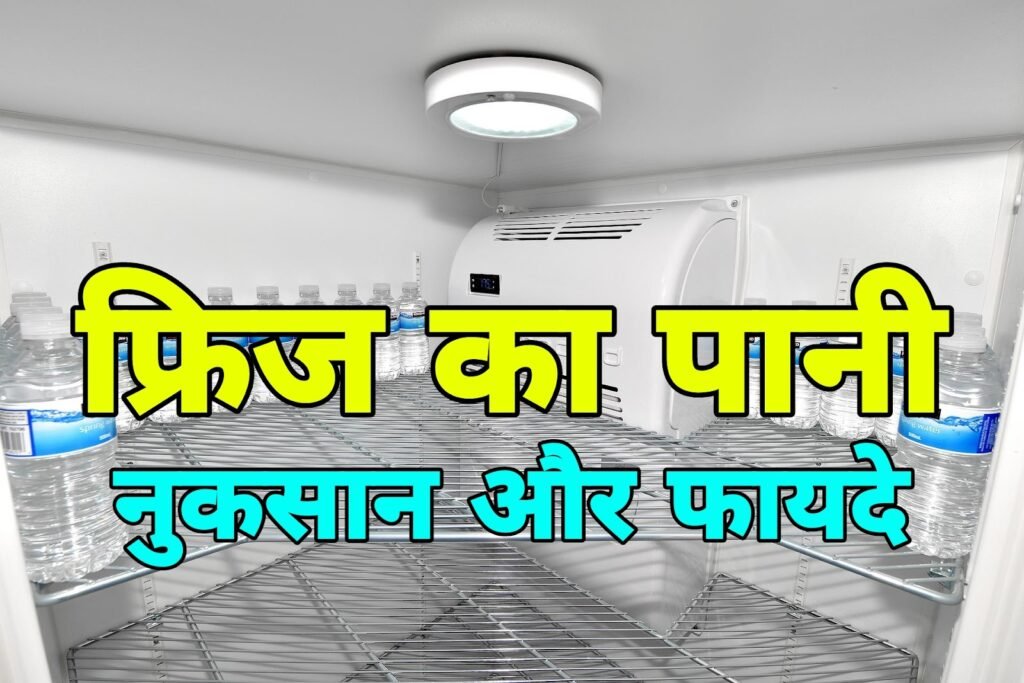
In today’s world, the refrigerator is an indispensable appliance in most homes, primarily for keeping food and beverages fresh. Water is no exception. During scorching summer days, when outdoor temperatures often exceed 40°C, a glass of chilled water can be incredibly soothing for both the body and mind. Many people routinely fill bottles and store them in the fridge for quick access. Some even prefer their water extra cold, with added ice. But is this habit always beneficial, or are there hidden drawbacks?
Potential Benefits of Drinking Fridge Water
Cold water can offer certain immediate advantages, particularly in intense heat:
1. Immediate Relief from Heat
This is the most obvious benefit. After coming in from the heat or direct sun, drinking cold water provides instant coolness and quenches thirst. It helps lower the body’s elevated temperature, reducing discomfort caused by heat.
2. Physical Cooling and Energy Boost
Drinking cold water can cool not just the body but also the mind, leaving you feeling refreshed. Especially when you’re tired or feeling mentally stressed, cold water can provide a surge of new energy.
3. Maintaining Hydration
Many people find drinking water at room temperature less appealing, especially in summer. In such cases, cold water can encourage them to drink more, thus preventing dehydration. Adequate hydration is crucial for all bodily functions, and cold water can be an easy way to ensure this.
4. Refreshment After Exercise
After exercise or any physical activity, the body’s temperature rises. Drinking cold water can help lower the core body temperature, reducing fatigue and promoting a sense of refreshment. It may also offer some relief in soothing muscles.
5. Psychological Satisfaction
For many, cold water becomes a habit and a source of psychological satisfaction. The belief that only cold water can truly quench their thirst provides a mental benefit.
Potential Downsides of Drinking Fridge Water
While cold water offers immediate relief, it also comes with potential disadvantages that warrant attention:
1. Impact on the Digestive System
Slowed Digestion: Drinking cold water can cause blood vessels to constrict, reducing blood flow to digestive organs. This slows down the process of breaking down food and absorbing nutrients. Constipation: Slowed digestion can lead to issues like constipation and indigestion, as the body expends more energy to digest food. Stomach Cramps: Some individuals may experience stomach cramps or pain after drinking cold water, particularly those with sensitive stomachs.
2. Throat and Respiratory Issues
Colds and Coughs: Cold water directly affects the throat, increasing the risk of sore throat, colds, coughs, and tonsil enlargement. This is particularly detrimental for individuals with a weakened immune system. Mucus Congestion: Cold water can lead to the accumulation of mucus in the throat and respiratory tract, causing breathing difficulties and a feeling of heaviness in the throat.
3. Nutrient Absorption
When the body consumes cold water, it must first expend energy to warm it to body temperature. This process can reduce the energy available for absorbing nutrients from food, potentially affecting the uptake of vitamins and minerals.
4. Headaches and Tooth Sensitivity
Some people experience ‘brain freeze’ or headaches when drinking very cold water, especially if consumed quickly. Individuals with sensitive teeth may feel a sharp pain or tingling sensation.
5. Effect on Metabolism
The body needs to expend extra energy to warm cold water. While some might see this as a way to burn calories, it’s not significant. This energy is diverted from other vital functions, potentially slowing down metabolism. According to Ayurvedic principles, cold water ‘quenches’ the digestive fire (Agni), reducing the body’s natural warmth and digestive capacity.
6. Constriction of Blood Vessels
Cold water constricts blood vessels, which can negatively impact blood circulation. This can hinder the distribution of energy and oxygen derived from food throughout the body.
What is the Right Approach?
Does this mean we should avoid cold water entirely? Not necessarily. The key lies in balance and moderation.
1. Mind the Temperature
Avoid drinking extremely chilled (ice-cold) water. Opt for slightly cool or room-temperature water. You can let refrigerated water sit out for a few minutes to allow its temperature to normalize.
2. Sip Slowly
Instead of gulping down large amounts of cold water at once, drink it slowly in small sips. This gives your body time to adjust to the temperature.
3. Avoid Immediately After Meals
Refrain from drinking cold water immediately before, during, or after meals. This can disrupt digestion. It’s best to drink water at least 30-45 minutes after eating.
4. Listen to Your Body
Every individual’s body is different. If you experience any discomfort after drinking cold water, such as stomach pain or a sore throat, change your habit.
5. Consider Alternatives
Water stored in an earthen pot (matka) is naturally cooled, rich in minerals, and generally less harmful than refrigerated water. You can also opt for lemon water, coconut water, or fruit juices, which keep you hydrated and provide a cooling effect.
Conclusion
The benefits of drinking fridge water are often immediate and psychological, while the potential drawbacks can be long-term and related to physical health. For a healthy lifestyle, it’s essential to understand what works best for your body. Avoid excessively cold water and cultivate a habit of drinking normal or slightly cool water. This will help maintain a healthy digestive system and protect you from minor ailments.
A Practical Tip
While the urge to drink cold water in summer is strong, and there’s no harm in satisfying it occasionally, it’s wise to moderate your intake of ‘chilled’ water. A practical approach is to let refrigerated water sit for 5-10 minutes before drinking, making it ‘normally cool’ rather than ice-cold. Alternatively, water from an earthen pot is an excellent choice. And importantly, avoid cold water immediately after meals. Pay attention to your body’s signals; what it tells you is usually the best course of action. A little awareness can help you enjoy the summer while maintaining good health.